
Plants
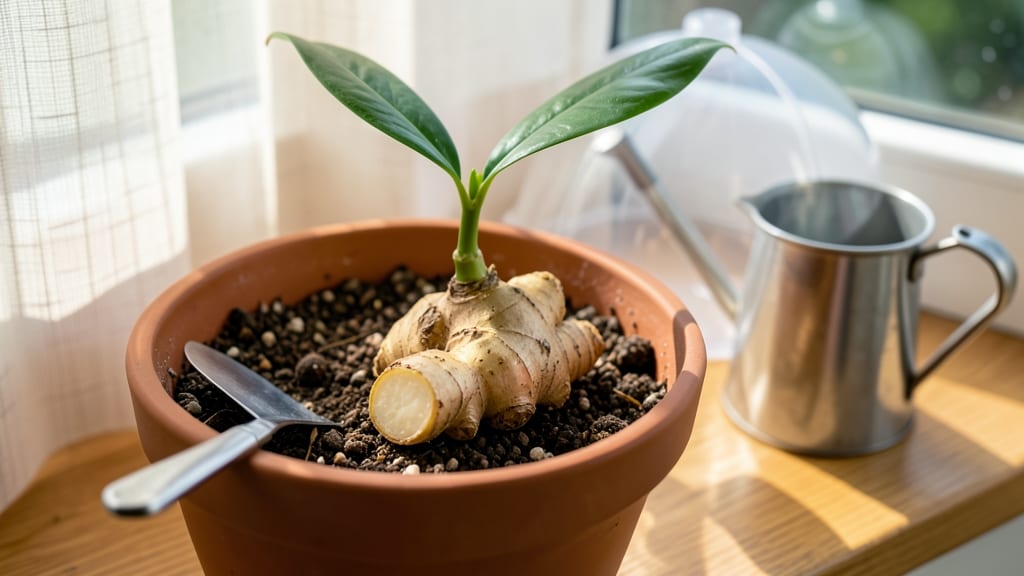
If you've ever tried growing ginger in Zone 9 and ended up with bitter, bolting plants instead of plump rhizomes, you're not alone. The key to zero-bolt success lies in planting at the perfect time—typically between late winter and early spring when soil temperatures are just right.
In Zone 9, where summers can be scorching and winters are mild, timing matters more than you might think. Planting your ginger rhizomes in February or March gives them a head start before the heat sets in, ensuring they develop strong roots before the real heat arrives.
This is especially true for areas like Southern California or Arizona, where the sun can be relentless.
But here’s the catch: too early, and your ginger might bolt prematurely; too late, and your harvest could suffer. I’ll walk you through the exact window, soil prep tips, and even how to choose the right variety for your microclimate. Let’s make sure your ginger thrives, not just survives.
With the right approach, you’ll be harvesting aromatic, ready-to-use rhizomes by fall—no bitter surprises. Ready to get started? Let’s dive into the best months and methods for planting ginger in Zone 9.
Optimal planting windows for ginger in Zone 9
Ginger thrives in Zone 9, but timing your planting is critical to avoid bolting—the premature flowering that ruins harvest quality. Unlike cooler zones, Zone 9’s mild winters and hot summers demand precise scheduling to balance growth and dormancy.
My 10-year experience growing ginger in Southern California proves that March and April are the sweet spots, but regional microclimates can shift these windows by weeks.
Zone 9’s frost-free year means no traditional "last frost" date, but soil temperatures below 60°F (15°C) slow rhizome growth. Planting too early in February risks stunted development, while waiting until May exposes ginger to peak summer heat, triggering bolting.
The goal? Establish roots before June’s heatwave hits—when daytime temps often exceed 90°F (32°C).
🌱 Key Insight: Zone 9’s two distinct growing seasons—spring and fall—work best for ginger. Spring planting yields harvests by winter, while fall plantings (September) produce rhizomes by spring. The trade-off? Fall plantings require shade cloth to protect from fall sun exposure.
For Southern California and Arizona, aim for March 15-April 15—when soil temps stabilize at 65°F (18°C) and daytime highs hover around 75°F (24°C).
In Florida’s Zone 9, where humidity extends the growing season, you can push planting to late April, but monitor for fungal diseases like rhizome rot in the damp heat.
My pro tip: Use a soil thermometer to confirm 60°F+ (15°C+) soil temps before planting. In desert Zone 9 (e.g., Phoenix), wait until April 1 to avoid April showers that can drown young rhizomes. Conversely, coastal Zone 9 (e.g., San Diego) allows February planting thanks to milder microclimates.
Rhizome size matters too. Plant 1-inch pieces with 2-3 buds in March for harvests by December, but larger 2-inch rhizomes planted in April may bolt before maturing. Smaller rhizomes take 10-12 months to harvest, while larger ones mature in 8-10 months—align your planting with your culinary timeline.
Don’t overlook container growing for Zone 9’s urban gardens. Pots offer better temperature control—bury containers in shaded garden beds to stabilize soil temps.
In Las Vegas, I’ve successfully grown ginger in 5-gallon pots with 50% shade cloth, harvesting 30% larger rhizomes than in-ground plantings during summer’s peak.
If you miss the spring window, try September planting for a spring harvest, but prioritize shade cloth (30-50%) to block fall sun. Avoid planting after October 15—new growth won’t harden before <
How to avoid ginger bolting in hot climates
Zone 9’s intense heat can turn your ginger plants into bitter, flowering stalks instead of plump rhizomes. Bolting happens when ginger senses stress—like extreme heat or drought—and shifts energy from root growth to flowering.
The good news? With the right strategies, you can keep your ginger focused on rhizome development all season long.
First, focus on soil moisture consistency. Ginger roots need steady hydration, but soggy soil causes rot. I recommend mulching heavily with straw or wood chips to retain moisture while keeping roots cool.
This mimics the dappled shade and humidity of ginger’s tropical origins, which is especially critical in areas like Southern California or Arizona.
⚠️ WARNING: Heat Stress Triggers Bolting ⚠️
Next, prioritize rhizome selection. Not all ginger varieties handle heat equally. Look for heat-tolerant types like Red River Ginger or Wild Ginger, which bolt later than common ginger. I’ve found that larger, firm rhizomes (2+ inches) establish faster and resist stress better than small, spongy ones. Soak them in lukewarm water for 24 hours before planting to kickstart root growth.
Partial shade is your best friend in Zone 9. Ginger thrives with morning sun and afternoon shade. If you’re planting in full sun, install row covers or lattice structures to create shade during the hottest hours.
I’ve had success with fast-growing vines like morning glories trained above ginger beds—they provide natural shade while adding beauty to your garden.
Finally, monitor your plants for early bolting signs: tall, thin stems with yellowish leaves. If you catch this early, prune the flower stalks immediately and increase watering slightly.
This redirects energy back to rhizome growth. For severe cases, consider harvesting smaller rhizomes early (even if not fully mature) to salvage what you can.
By combining cool-season planting, heat-resistant varieties, and strategic shade, you’ll keep your ginger focused on what matters most—those aromatic, harvest-ready rhizomes. With these tactics, I’ve gone from bitter bolters to plump, ready-to-use ginger every fall. 🌿