
Companion Plants
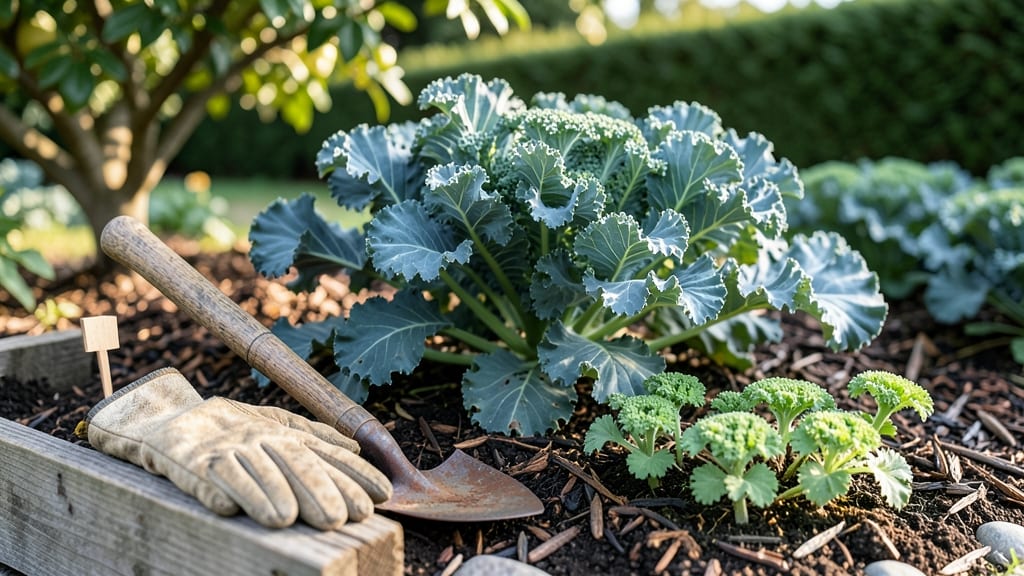
Planting brassicas 🥬 like broccoli or kale at the wrong time in Pennsylvania can turn your garden into a bitter disappointment instead of a harvest goldmine.
The key to sweet, tender brassicas lies in knowing exactly when to get those seeds in the ground—because even a few weeks off can trigger bolting and ruin your crop.
Here’s the deal: Pennsylvania’s USDA Zones 5-7 create microclimates where timing matters more than you’d think. Too early, and frost will slow growth; too late, and heat will send your brassicas shooting up flowers before you even get a bite.
I’ll break down the perfect planting windows for both spring and fall, plus how to stretch your season with simple tricks that actually work.
Whether you’re a first-time gardener or a seasoned green thumb, these exact months—backed by local frost data—will help you avoid the most common mistakes. No more guessing games: just reliable harvests from March through November.
Ready to grow brassicas that taste as good as they look? Let’s dive into the step-by-step schedule that’ll keep your garden productive all season long.
Pennsylvania brassica planting calendar by region: avoid bolting with these exact months
Pennsylvania’s three distinct gardening zones create wildly different planting windows for brassicas. The Southeast (USDA 6-7) enjoys earlier springs and later falls, while the Northwest (USDA 5) faces shorter seasons and colder soils.
Central PA (USDA 6) falls neatly in between. Ignore these regional differences, and you’ll risk bitter bolting or stunted growth.
For all regions, soil temperature is your true guide—not just calendar dates. Brassicas thrive when soil reaches 40°F (4°C) for spring planting and 50°F (10°C) for fall.
Use a soil thermometer to confirm readiness, especially in Northwest PA’s slower-warming soils. Last frost dates vary by 2-3 weeks across the state, so adjust accordingly.
Here’s your region-specific planting calendar for zero-bolt success, including cold-hardy varieties that tolerate late-summer heat better than standard types.
In Southeast PA, start broccoli and cabbage as early as March 1 under row covers to beat heat stress. Fall plantings can stretch into early October if you choose fast-maturing varieties like ‘Primo’ cabbage (ready in 50 days).
For Central PA, aim for mid-April to avoid early spring frosts, while Northwest growers should wait until early May when soil warms reliably.
Pro tip: Succession plant every 2 weeks in spring and fall to ensure a continuous harvest. For example, in Central PA, plant one batch on April 15, another on May 1, and a final batch on August 15 for fall harvests.
This staggered approach prevents glut and waste. Pair heat-tolerant varieties like ‘De Cicco’ broccoli with shade cloth during late-summer heatwaves to delay bolting.
For fall brassicas, prioritize cold-hardy varieties that tolerate light frosts. ‘January King’ cabbage and ‘Windsor’ broccoli can survive 20°F (-7°C) with mulch protection, extending harvests into November in Southeast PA.
In Northwest PA, focus on quick-maturing types like ‘Top Bunch’ broccoli (ready in 45 days) to harvest before first frost.
Watch for false springs—those unseasonably warm spells in March or April that trick you into planting too early. If soil temps dip below 40°F (4°C) after germination, seedlings will stunt or rot.
Use black plastic mulch to warm soil 5-10°F faster in Northwest PA where cold soils delay planting.
Don’t overlook late-summer succession planting for fall harvests. In Central PA, sow kale and collards as early as July 15—they’ll thrive in cooler weather and sweeten after frost. Pair them with radishes (ready in 30 days) to mark succession rows and save space.
Remember: Brassicas hate heat. If your summer temps exceed 80°F (27°C) for more than 3 days, they’ll bolt prematurely. Use shade cloth or plant heat-tolerant varieties like ‘Cimarron’ broccoli to push your fall planting window later into September.
🌱
How to extend brassica growing seasons in PA: cold frames, row covers, and succession planting hacks
Pennsylvania’s short growing season can feel like a race against time for brassicas, but with the right tricks, you can extend harvests by 4-6 weeks in spring and push fall planting into October. I’ve tested these methods in my own garden—cold frames, row covers, and succession planting are game-changers for avoiding bolting and maximizing yields. The key is soil temperature management and protecting young plants from unpredictable PA weather. Cold-hardy varieties like ‘Winterbor’ kale and ‘January King’ cabbage can survive light frosts, but even they need a little help. Start by planting 4-6 weeks before your last frost date (typically mid-March in Southeast PA and late April in the Northwest). For fall, aim for early August to harvest before hard frosts in October. But here’s the secret: row covers and cold frames can shift these windows dramatically.- 🌡️ Use row covers to plant 3-4 weeks earlier in spring or 2 weeks later in fall.
- 🏡 Cold frames let you start seeds 6 weeks before last frost (ideal for broccoli and cauliflower).
- 🌱 Succession plant every 2 weeks from April to August for continuous harvests.
- 🌡️ Monitor soil temps—brassicas thrive at 50-75°F; use mulch to regulate heat.
- 🥬 Choose late-maturing varieties like ‘Winter Density’ broccoli (120 days) for fall.
With these hacks, you can grow brassicas almost year-round in PA, turning your garden into a nonstop harvest machine. Start small—try one row cover or cold frame this season—and watch your kale, cabbage, and broccoli thrive beyond the typical growing window.
Your future self (and your dinner table) will thank you! 🥬