
Plants
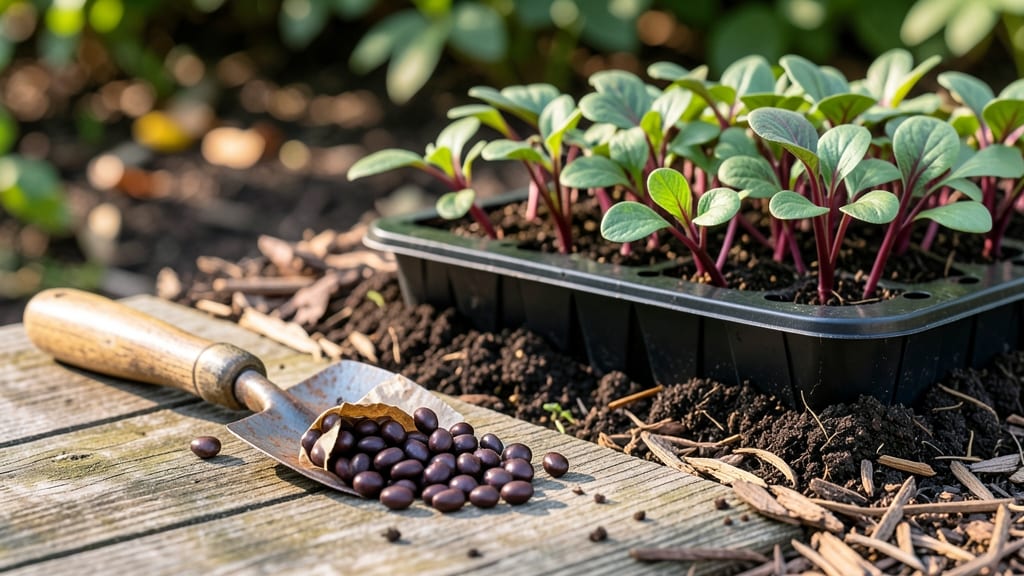
If you’ve ever pulled a bitter, woody beet from your North Carolina garden, you know when to plant beets in North Carolina—and getting it wrong means wasted effort.
The key to sweet, tender 🍠 beets lies in planting them at the perfect moment, when soil warms just enough to prevent bolting but before summer’s heat turns your harvest tough.
North Carolina’s 7a-8b climate gives you two ideal windows: early spring (March-April) and late summer (July-August), but regional microclimates—like the Piedmont’s cooler nights or Coastal areas’ milder winters—can shift those dates by weeks. Miss the mark, and you’ll either face frost damage or watch your beets flower before they mature.
I’ve tested these strategies for years, and what works isn’t just about months—it’s about soil temperature, daylight hours, and even variety selection. Whether you’re a first-time gardener or a seasoned grower, these insights will help you plan for zero-bolt success, no matter where in the state you’re planting.
Ready to grow beets so sweet they’ll make your neighbors ask for seeds? Let’s break down the exact planting schedule—and the tricks to keep your harvest tender all season.
Best planting months for beets in North Carolina by region
North Carolina’s three distinct regions—Coastal, Piedmont, and Mountain—each have unique frost patterns and microclimates that dictate the perfect beet planting schedule. Coastal areas enjoy milder winters, while the Mountains face earlier frosts.
The key is planting when soil temperatures hit 45°F+ and avoiding extreme heat, which causes bolting. Let’s break down the ideal windows for each region to ensure sweet, tender beets all season.
For Coastal NC, your growing season stretches longer thanks to warmer winters. You can start seeds as early as mid-February under row covers or plant directly in late February to early March. This region’s last frost typically hits around March 15, giving you a head start.
In contrast, Piedmont growers should wait until late March for direct sowing, as frost lingers until April 1 in most years.
The Mountain region has the shortest season, with frosts lasting until April 15 in higher elevations. Start seeds indoors in early March or plant directly in late April for a summer harvest. Each region also benefits from a late summer planting (July-August) for a fall crop before the first frost.
| Region | Early Spring Planting | Late Summer Planting | Last Frost Date | First Frost Date | Key Tip |
|---|---|---|---|---|---|
| Coastal NC | Late Feb - Early March | July - Early August | March 15 | November 1 | Use row covers for February starts |
| Piedmont NC | Late March - Early April | Mid-July - Late July | April 1 | November 15 | Wait for soil to warm above 50°F |
| Mountain NC | Late April - Early May | August (high elevations) | April 15 | November 20 | Start seeds indoors in March |
In Coastal NC, the mild winters allow for two full harvests: one in June-July from spring plantings and another in October-November from late summer sowings. For Piedmont gardens, focus on April-May plantings for a summer harvest and July-August for fall. Mountain growers should prioritize May-June starts and August for a quick turnaround before frost.
To maximize your beet harvest, consider succession planting every 2-3 weeks during the ideal windows. This ensures a steady supply of fresh beets and reduces the risk of bolting from heat stress. For example, plant a new batch in April, then again in May and June for continuous harvests.
Always check your local frost dates using the NC State Extension frost calculator, as microclimates can shift planting windows by 1-2 weeks. For instance, valleys in the Mountains may frost later than nearby peaks.
Adjust your schedule based on soil temperature—use a soil thermometer to confirm it’s at least 50°F before planting.
For fall plantings, aim to harvest before the first frost. In Coastal NC, this means pulling beets by early November, while Piedmont and Mountain growers should finish by mid-November.
If you miss the window, consider cold-hardy varieties like Detroit Dark Red, which tolerate light frosts better than others.
Pro tip: Use black plastic mulch to warm soil faster in spring or straw mulch to retain moisture during summer. These tricks help extend your planting season by 1-2 weeks in both directions. With the right timing, you’ll enjoy sweet, tender beets from spring through fall—no bitter surprises here!
Remember, consistent moisture is key after planting. Keep soil evenly moist but not soggy, especially during root development. Mulch heavily to lock in moisture and keep roots cool during hot NC summers. Happy planting!
How to avoid bolting: temperature and daylight tricks for NC growers
North Carolina’s unpredictable climate can turn your beet harvest into a bitter disappointment if you don’t control bolting. This happens when beets sense long daylight hours or soil temperature shifts, triggering premature flowering.
The result? Woody roots and tough greens instead of sweet, tender harvests. The good news? With the right strategies, you can outsmart NC’s seasonal changes and keep your beets focused on root growth.
Bolting is triggered by two main factors: day length (photoperiod) and soil temperatures above 75°F. In North Carolina, daylight stretches beyond 14 hours by late spring, signaling beets to bolt.
Meanwhile, summer heat can push soil temps into the danger zone. The key is to time your plantings and choose bolt-resistant varieties that align with NC’s growing seasons.
⚠️ callout warning ⚠️
Beets planted in April-May face the highest bolting risk due to 14+ hour daylight. If your soil temps exceed 75°F for 3+ days, your plants will bolt within 2-3 weeks. Use shade cloth (30-50%) or succession planting to avoid this trap.
✅ Solution: Plant heat-tolerant varieties like Detroit Dark Red in late summer (August) for fall harvests. Monitor soil temps with a soil thermometer—keep them between 60-70°F for optimal growth.
Start by selecting bolt-resistant beet varieties suited for NC’s climate. Look for long-day tolerant types like ‘Bull’s Blood’ or ‘Golden’ varieties, which handle extended daylight better than standard types. These varieties can stretch your harvest window by 3-4 weeks compared to sensitive strains.
Pair them with succession planting: sow seeds every 2-3 weeks from March to August to ensure a steady supply of fresh, non-bolted beets.
Monitor soil temperature like a hawk—it’s your first line of defense against bolting. Use a soil thermometer to check temps before planting. Beets thrive in 60-70°F soil; anything above 75°F triggers bolting.
In NC’s Piedmont and Coastal regions, afternoon soil temps can spike to 85°F+ by June. If this happens, provide afternoon shade with a row cover or lightweight shade cloth to keep leaves cool.
Strategic succession planting is your secret weapon against NC’s shifting seasons. Instead of one big planting, sow small batches every 2-3 weeks from March through August. This ensures you’re always harvesting young, tender beets before bolting sets in.
For example, plant your first batch in early March for a June harvest, then follow up with late July plantings for a fall harvest before frost hits.
Don’t overlook the power of mulching to regulate soil temperature. Apply a 2-3 inch layer of straw or shredded leaves around your beet plants to keep soil temps stable. Mulch also retains moisture, reducing stress that can accelerate bolting.
In NC’s hot summers, mulch can drop soil temps by 5-10°F, buying you extra time before bolting becomes an issue. Just remember to keep mulch 2 inches away from stems to prevent rot.
With these temperature and daylight tricks, you’ll avoid bolting and enjoy sweet, tender beets all season long—no bitter surprises here! The key is timing, variety selection, and soil management.
Start with the right seeds, watch those temps, and keep planting in waves. Your garden (and taste buds) will thank you. 🌱