
Plants
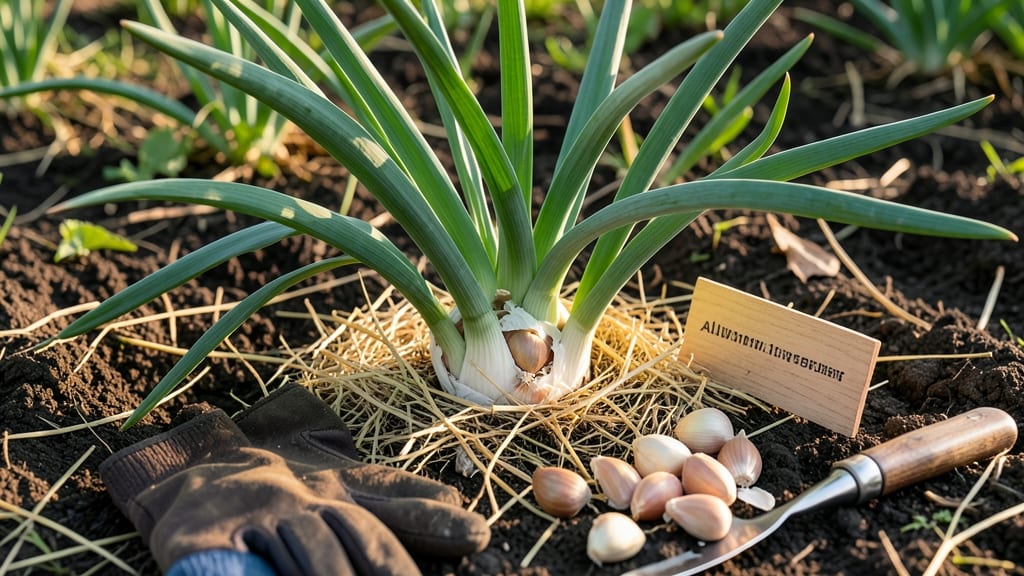
Planting garlic in Zone 4 at the wrong time could mean the difference between a bumper crop of bold, flavorful bulbs and a disappointing harvest.
The secret to success lies in timing it just right—late September to early October—when the soil cools but before winter’s first hard freeze locks in the ground.
Why does this window matter so much? Garlic needs 6-8 weeks of chilly weather to develop properly, and Zone 4’s climate demands precision. Plant too early, and your cloves might sprout before winter sets in.
Too late, and they won’t establish strong roots before the ground freezes. I’ve learned the hard way—let me help you avoid those mistakes.
Hardneck varieties, the most popular choice for Zone 4 gardeners, thrive when planted in this sweet spot. The key is preparing your soil, spacing cloves correctly, and protecting them from extreme cold snaps. With the right approach, you’ll be harvesting plump, flavorful 🧄 bulbs by mid-summer—worth every bit of effort.
Ready to nail your planting schedule? I’ll walk you through the exact steps, from checking soil temperatures to adjusting for your specific corner of Zone 4. Let’s make sure your garlic gets the perfect start.
Optimal fall planting window for Zone 4 garlic success
For Zone 4 gardeners, timing garlic planting is like catching a fall wave—too early, and your cloves rot; too late, and they freeze. The ideal window is 6-8 weeks before your first hard frost, typically mid-October to early November.
This gives hardneck varieties enough time to establish roots before winter dormancy. In my Michigan garden, I’ve found that planting by October 15th yields the best results, but your exact date depends on local frost patterns.
Hardneck garlic thrives in cool fall temperatures (40-50°F soil temps) because it needs a cold vernalization period to form bulbs. If you plant too early, cloves may sprout and get hit by fall rains, leading to rot.
Too late, and they won’t root deeply enough to survive winter. The key is balancing soil warmth (for root growth) with approaching frost (to trigger dormancy).
Here’s my Zone 4 garlic planting checklist to nail the timing:
| Planting Factor | Zone 4 Ideal Range | Actionable Tip |
|---|---|---|
| Soil Temperature | 40–50°F (4–10°C) | Use a soil thermometer; plant when temps stabilize in this range. |
| Time Before Frost | 6–8 weeks | Check your local frost date and count backward. |
| Regional Adjustments |
|
Adjust 1–2 weeks earlier for colder areas, later for milder zones. |
| Clove Sprouting | Not yet sprouted | Plant firm, unsprouted cloves; sprouting before planting = rot risk. |
| Mulch Depth | 2–4 inches | Apply straw or leaves after planting to insulate roots. |
In northern Zone 4 (like Minnesota or Maine), aim for late September to mid-October—these areas freeze earlier, so you need that extra time. Meanwhile, southern Zone 4 (like Pennsylvania or Ohio) can stretch planting into early November.
I once planted in November 1st in my Pittsburgh garden, and while the garlic survived, the bulbs were smaller. Always err on the earlier side if you’re unsure.
Don’t overlook soil preparation—garlic craves well-draining, loose soil with a pH of 6.0–7.0. Work in 2–3 inches of compost before planting, and avoid fresh manure, which can burn cloves. I mix in a balanced 10-10-10 fertilizer at planting time to give my garlic a nutrient head start.
Pro tip: If your soil is heavy clay, consider raising beds to prevent waterlogging.
One common mistake I see is planting garlic in spring. While softneck varieties can handle this, hardneck garlic (the type most Zone 4 gardeners grow) requires cold exposure to form bulbs.
Spring-planted garlic often produces small, weak bulbs or even bolts (sends up a flower stalk) instead of storing energy for bulb development. Stick to fall planting for that bold, robust flavor we all love.
After planting, mulch heavily (3–4 inches of straw) to protect cloves from freeze-thaw cycles, which can heave them out of the soil. In my Upstate New York garden, I’ve had garlic survive -20°F temps with proper mulching.
Remove the mulch in early spring once the ground thaws to let the garlic resume growth. Just remember: patience is key—your garlic won’t emerge until late spring, but that’s when the magic happens.
To track your local planting window, check your USDA Plant Hardiness Zone map and add 6–8 weeks before your average first frost date. For example, if your frost date is November 15th, plant by September 25th.
Use resources like the Old Farmer’s Almanac or your local Cooperative Extension Service for hyper-local advice. I also set a reminder in my gardening app to test soil temps in early October—it’s a game-changer for timing.
Finally, harvest timing ties back to planting. Garlic planted in mid-October typically harvests in mid-July of the following year. If
How to adjust planting dates for early vs late Zone 4 winters
Zone 4 stretches from the frigid winters of Maine and Michigan to the milder Ohio valleys, creating a 4-6 week difference in ideal garlic planting times.
In northern areas, you’ll need to plant by late September to avoid early freezes, while southern Zone 4 gardeners can wait until early November. This variation means your neighbor’s perfect timing might be your disaster.
For northern Zone 4 (e.g., Maine, Upstate New York), aim for mid-September to October 1st. Soils here freeze earlier, so you must prioritize root establishment. In southern Zone 4 (e.g., Pennsylvania, Indiana), you’ve got until mid-November—but don’t push it. Use local frost dates as your guide.
The comparison table below breaks down exact timing by region, plus backup strategies if you miss the window. Pro tip: Check soil temps—40-50°F is ideal for planting. If it’s warmer, wait a week or two to avoid premature sprouting.
If you miss the fall window entirely, don’t panic! You can still grow garlic greens by planting cloves in containers indoors (they’ll be smaller but edible). For bulbs, your only option is next fall—but start a greenhouse or cold frame now to extend your season.
I’ve had success with hardneck varieties like 'German White' in containers through winter.
Extreme cold snaps? Don’t let a -10°F night ruin your crop. Add 12" of straw mulch after planting, then top with black plastic sheets for insulation. In my Michigan garden, this saved my garlic during a January thaw followed by -20°F—the bulbs were perfect at harvest.
Remember: Soil temperature matters more than air temperature. Use a soil thermometer to confirm 40-50°F before planting. If temps drop below freezing after planting, cover beds with cardboard + mulch until spring. With these adjustments, your Zone 4 garlic will thrive—no matter where you live in this vast region.