
Plants
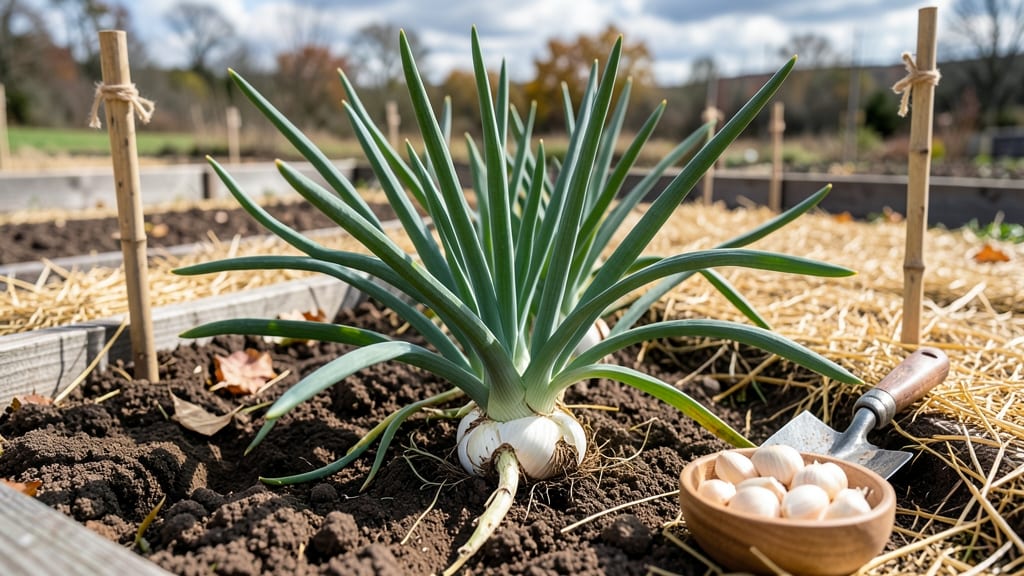
Planting garlic in Upstate New York at the wrong time can mean the difference between a bountiful harvest and wasted effort—especially when you're dealing with hardneck varieties that thrive in your 5b-6b climate.
The key window is short but sweet: late September to early October, when soil temperatures dip but frost hasn't yet claimed the ground.
Why does timing matter so much? Because garlic needs 6-8 weeks of cold weather to form bulbs properly, and Upstate NY’s unpredictable frost dates can throw off even the most experienced gardeners. Miss the mark, and you risk stunted growth or bulbs that never fully develop.
In this guide, I’ll break down exactly when to plant—down to the week—for your specific region, whether you’re in the Finger Lakes or the Adirondacks. You’ll also learn how to adjust for late planting, soil prep tricks, and why hardneck varieties outperform softnecks in Upstate NY’s short growing season.
Let’s get your garlic in the ground at the perfect moment so you’re harvesting plump, flavorful bulbs by next summer—no guesswork required.
Upstate NY garlic planting calendar: hardneck varieties by frost date
Upstate New York’s USDA Zones 3-5 demand precise timing for hardneck garlic success. Unlike milder climates, our cold winters and short growing seasons require planting cloves 4-6 weeks before ground freezes—typically between late September and early November.
Miss this window, and you risk frost damage or stunted bulbs that won’t mature properly.
Hardneck varieties like Rockshel, German White, and Music thrive in Upstate NY’s climate, producing large, flavorful bulbs with scapes. But timing varies by region: the Adirondacks (Zone 4) need earlier planting, while the Finger Lakes (Zone 5) can wait slightly longer.
Let’s break down the exact dates and adjustments for your area.
For Zone 4 areas like the Adirondacks, aim to plant by October 1st—any later, and winter’s early frost will damage young roots. In Zone 5 regions such as the Finger Lakes, you can stretch planting until mid-October, but don’t wait until November.
Soil temperatures must drop below 40°F to trigger dormancy, so use a soil thermometer to confirm readiness.
Hardneck varieties like Rockshel and German White are ideal for Upstate NY because they overwinter well and produce hardneck scapes—a bonus harvest in June. Plant cloves 2 inches deep, 4-6 inches apart, with the pointy end up.
Use well-draining soil amended with compost to prevent rot during winter thaw cycles.
If you miss the fall window, you can plant garlic in early spring (March-April), but bulbs will be smaller and less flavorful. Spring-planted garlic relies on summer’s warmth to mature, and Upstate NY’s short growing season cuts harvest time short.
For best results, stick to fall planting and adjust for your local frost date.
Pro tip: Cover garlic beds with 2-3 inches of straw mulch after planting to insulate roots during temperature swings. This is especially critical in Zone 4, where winter temps can drop below -10°F. Mulch also suppresses weeds and retains moisture during dry spells in late winter.
Harvest time arrives in late June to early July when lower leaves turn brown and bulbs feel firm when squeezed. In Upstate NY, this aligns with USDA Zone 5’s last frost date, signaling the soil has warmed enough for bulb curing.
Dig carefully with a fork to avoid damaging skins, then cure bulbs in a shady, dry place for 2-3 weeks before storage.
For gardeners in higher elevations (e.g., Lake Placid), plant 2 weeks earlier than the table suggests. Conversely, lower elevations (e.g., Ithaca) can wait until early November if soil temps stay above 40°F. Always check your local Almanac frost dates for fine-tuning.
Remember: Hardneck garlic needs cold to form bulbs. Without proper
How to adjust planting dates for Upstate NY’s microclimates
Upstate New York’s microclimates can shift planting windows by weeks—especially when comparing the Finger Lakes to the Adirondacks. Elevation changes alone can delay frost by 10-14 days, while urban heat islands might push back your last planting date.
The key is understanding how these factors interact with your soil temperature and hardneck garlic’s cold requirements.
For example, a garden in Albany (Zone 6b) might safely plant garlic until October 15th, while Lake Placid (Zone 4a) gardeners should finish by October 1st. These differences aren’t just about dates—they affect bulb size, flavor intensity, and even whether your garlic survives winter at all.
Let’s break down how to fine-tune your schedule for your specific corner of Upstate NY.
- Use a soil thermometer to confirm 40°F soil temps—garlic needs this to establish roots before winter. Raised beds warm up faster than in-ground soil, giving you 1-2 extra weeks to plant.
- Adjust for elevation: Add 1 day per 100 feet higher than 1,000ft. Adirondack gardens (2,000+ft) should plant 3 weeks earlier than the Mohawk Valley.
- Monitor local frost patterns for 3 years to spot trends. North Country areas often get 2-3 weeks of unexpected warmth in late October—use this to push planting dates.
- For late planting, choose smaller cloves (they establish faster) and mulch heavily with straw or leaves to insulate roots. This buys you 10-14 extra days in colder zones.
- Extend the season for late varieties by planting in early November and using row covers until December. This works best in Zone 5b+ areas like Syracuse or Rochester.
If you’re planting in raised beds, you’ve already won half the battle. Raised beds stay 5-10°F warmer in fall and drain faster in spring, which means you can plant 1-2 weeks later than in-ground gardens.
Fill beds with a mix of compost and sandy loam to improve drainage—garlic hates soggy roots. For in-ground planting, amend soil with aged manure or compost and till to a depth of 12 inches to prevent compaction.
For gardeners in colder pockets like the North Country, focus on hardneck varieties (e.g., German White or Music) that handle frost better than softnecks.
If your area gets consistent sub-zero temps, consider double mulching: Lay down cardboard first to block weeds, then top with 12 inches of straw. This can protect garlic from -20°F temps—critical for Zone 4a gardens.
Don’t forget to use local frost date data from resources like the Cornell Cooperative Extension. Their frost prediction maps show that average last frost dates in Upstate NY range from May 15th in the South to June 1st in the North.
Time your garlic harvest to avoid regrowth before frost—aim to pull bulbs 2-3 weeks before your area’s first frost in late June.
With these adjustments, you’ll turn Upstate NY’s challenging climate into an advantage. Your garlic will overwinter beautifully, bulb up properly, and reward you with large, flavorful harvests that put store-bought varieties to shame. Happy planting! 🌱