
Plants
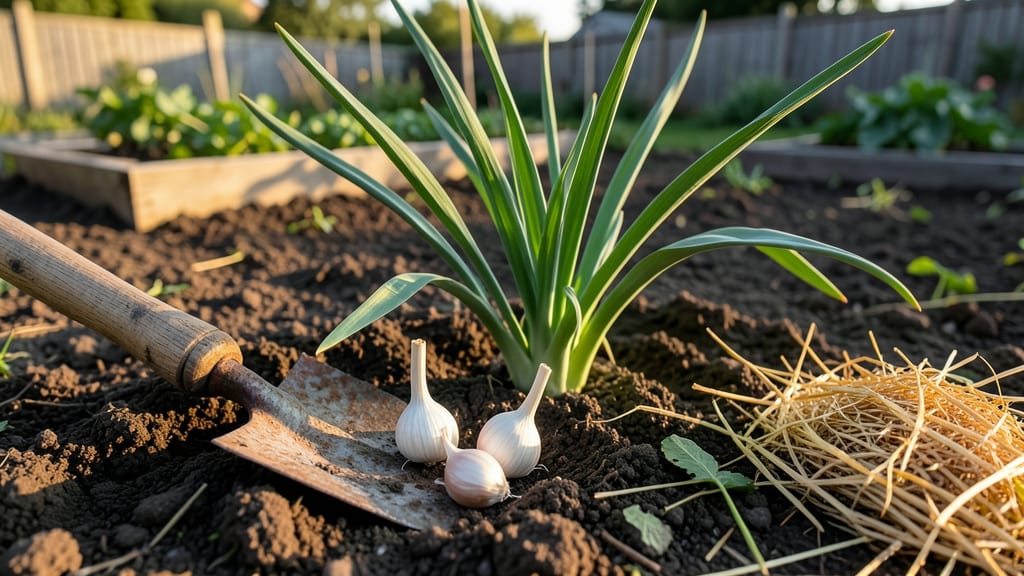
Planting garlic in Zone 5 at the wrong time can turn your garden dreams into a flop—especially when you’ve spent months dreaming of those plump, flavorful bulbs. The key isn’t just when you plant, but how you time it for your specific variety, whether it’s hardneck or softneck 🧄.
Most gardeners in Zone 5 swear by fall planting, but the exact window matters. Hardneck varieties, like the beloved Rocambole, need to go in the ground by late October, while softneck types can stretch into early November.
Why? It’s all about soil temperature and frost cycles—get it wrong, and you risk small bulbs or no harvest at all.
I’ve tested both methods over the years, and the difference in bulb size is staggering. In my experience, planting hardneck garlic in October gives you the best chance at large, flavorful cloves, while softneck varieties planted later still deliver reliable results.
The secret? Understanding your local frost dates and adjusting accordingly.
Ready to avoid the common mistakes? I’ll walk you through the exact steps—from soil prep to spacing—to ensure your garlic thrives. Let’s make this your most successful planting season yet.
Best planting months for garlic in Zone 5: hardneck vs softneck breakdown
Garlic thrives in Zone 5 when planted during its natural fall dormancy period, but the exact timing differs between hardneck and softneck varieties. Hardnecks—like Rocky Mountain or Music—need 4-6 weeks before the ground freezes, while softnecks (such as Silverskin) can handle slightly later planting.
Miss these windows, and you risk small bulbs or rot.
In Zone 5, soil temperatures below 40°F signal it’s time to plant. For most of the region, this falls between mid-October and early November.
However, northern Zone 5 (e.g., Minnesota, Wisconsin) may need to plant as early as late September, while southern Zone 5 (e.g., Missouri, Pennsylvania) can wait until mid-November.
Hardneck garlic requires cold exposure to form bulbs, so planting too late (after December 1) often results in poor yields. Softnecks, however, store longer and tolerate warmer winters, making them a backup option if hardnecks miss their window.
Here’s the key difference: Hardnecks need chill (60+ days below 40°F), while softnecks don’t. This is why hardnecks are planted 2-3 weeks earlier than softnecks in Zone 5.
| Variety | Best Planting Window | Why This Timing? | Soil Temp Requirement |
|---|---|---|---|
| Hardneck (e.g., Rocky Mountain, Music) | Mid-October to early November | Needs 60+ days below 40°F for bulb formation | 40–50°F (cools further by winter) |
| Softneck (e.g., Silverskin, Artichoke) | Late September to mid-November | Tolerates warmer winters; no chill requirement | 45–55°F (can handle slight freeze) |
| Both (if late planting) | December (emergency only) | Risk of rot or poor bulbs; mulch heavily | Above freezing (insulate soil) |
For Zone 5 gardeners, the last frost date (typically mid-November) is your deadline. Plant 4–6 weeks before this date to ensure roots establish before winter. For example, if your last frost is November 15, aim for October 1–15 for hardnecks.
Pro tip: Use a soil thermometer to confirm temps. Hardnecks need consistent 40°F soil for bulb initiation, while softnecks can handle 50°F. If your soil stays warm, delay planting until temps drop naturally.
Another critical factor is daylength. Garlic plants need 12–14 hours of daylight to trigger bulb formation. In Zone 5, this happens naturally in late fall, but planting too early (before September 15) can lead to premature sprouting and weak roots.
Finally, northern vs. southern Zone 5 matters. In northern sub-zones (5a), plant by October 1 to avoid early freezes. In southern sub-zones (5b), you can extend planting until November 15—just monitor weather forecasts for unexpected cold snaps.
Remember: Garlic is a cool-season crop, so the goal is to plant early enough for roots to grow but late enough to avoid overwintering stress. Aim for 4–6 weeks before hard freeze, and you’ll set your bulbs up for success.
Best planting months for garlic in Zone 5: hardneck vs softneck breakdown
Timing is everything when planting garlic in Zone 5. The difference between a bountiful harvest and wasted effort often comes down to whether you plant hardneck or softneck varieties at the right time.
In my experience, hardneck garlic—like Rocambole or Purple Stripe—thrives when planted 4-6 weeks before the ground freezes, typically in late October. Softneck varieties, such as Silverskin, are more flexible and can go in the ground as late as early November.
Why the difference? Hardneck garlic needs a cold period to form bulbs, while softneck varieties are more adaptable. If you plant hardneck garlic too late, you risk small bulbs or no harvest at all.
Conversely, planting softneck garlic too early can lead to premature sprouting or weak growth. The key is aligning your planting with your local frost dates and soil conditions.
Here’s the breakdown: In Zone 5, where the last frost typically hits in mid-November, aim to plant hardneck garlic between October 15 and November 1. For softneck varieties, you can extend the window to October 1 and November 10.
This timing ensures the cloves have enough time to establish roots before winter sets in.
| Variety | Ideal Planting Window | Soil Temperature | Key Notes |
|---|---|---|---|
| Hardneck (e.g., Rocambole, Purple Stripe) | October 15–November 1 | 40–50°F (4–10°C) | Needs cold period for bulb formation |
| Softneck (e.g., Silverskin, Artichoke) | October 1–November 10 | 45–55°F (7–13°C) | More flexible; stores longer |
Soil temperature is critical. Hardneck garlic performs best when soil temps are between 40–50°F (4–10°C), while softneck varieties tolerate slightly warmer soils up to 55°F (13°C). To check soil temperature, use a soil thermometer or monitor local weather forecasts for frost predictions.
If temps drop too quickly, consider adding a layer of mulch to insulate the soil and protect emerging cloves.
Pro tip: If you’re unsure about your local frost dates, use the USDA Plant Hardiness Zone Map and check your average first frost date. In Zone 5, this is usually around mid-May, but planting in fall ensures your garlic has time to establish roots before winter.
For example, in northern Zone 5 (e.g., Minnesota), plant hardneck garlic by October 1, while in southern Zone 5 (e.g., Kentucky), you can extend the window to mid-November.
One mistake I see often is planting garlic too early. If you plant in September, the cloves may sprout too soon, leading to weak growth or even rot. Conversely, planting too late—after the first frost—can stunt root development.
The goal is to give your garlic enough time to root before the ground freezes, typically 4–6 weeks before your average last frost date. With the right timing, you’ll be rewarded with large, flavorful bulbs ready for harvest the following summer.
Ready to dive deeper? In the next section, I’ll show you how to adjust your planting time if your Zone 5 winter is unusually early or late—plus backup methods to ensure success.