
Planting
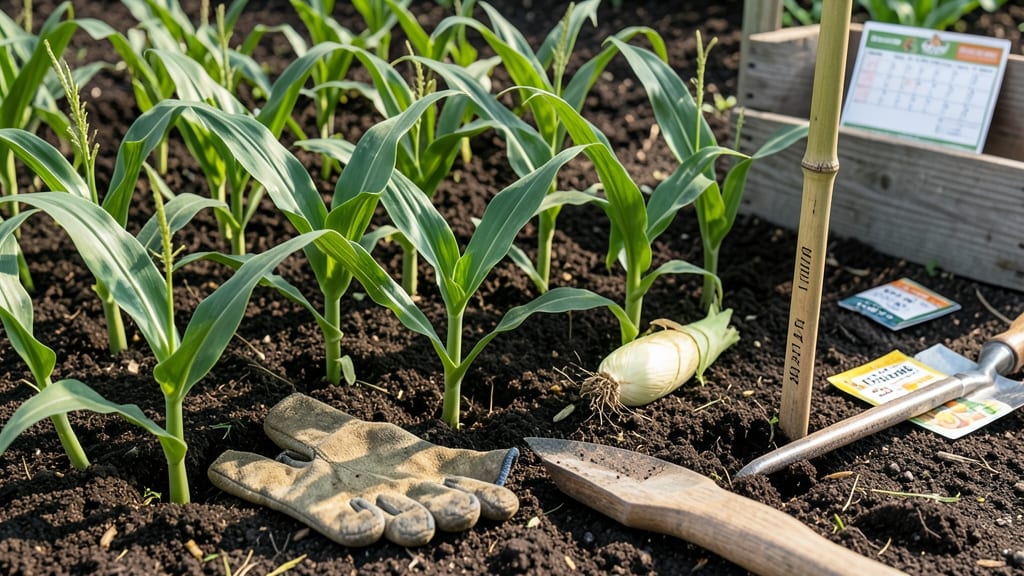
Planting your garden in Iowa at the wrong time can mean the difference between a bumper crop and a sad, frost-nipped disappointment.
The exact window for planting General Garden Plants 🌱 in USDA Zones 5a-5b hinges on those tricky frost dates—usually around mid-April for last frost and October for first frost.
If you’ve ever rushed to plant tomatoes too early only to watch them wilt under a late frost, you know timing is everything. Iowa’s unpredictable weather makes it even trickier, but with the right schedule, you can maximize your growing season and avoid common mistakes that waste time and resources.
In this guide, I’ll break down the ideal planting windows for everything from cool-season crops like spinach to warm-season favorites like corn. You’ll learn how to adjust for early springs, late summers, and even microclimates in your area—so you can plant with confidence, not guesswork.
Whether you’re a first-time gardener or a seasoned green thumb, these frost-free strategies will help you grow more and stress less. Let’s get those seeds in the ground at the perfect moment!
Iowa frost-free dates by USDA Zone: 5a vs 5b planting schedule
Iowa’s USDA Zones 5a and 5b experience distinct frost patterns that directly impact your planting schedule. Zone 5a (colder) typically has a last frost date around May 15, while Zone 5b (warmer) averages April 25.
These dates shift yearly—some springs see frost as late as June 1, while early springs can be frost-free by April 1. Understanding these variations ensures you plant warm-season crops at the right time and avoid frost damage to tender seedlings.
For cool-season crops like spinach and peas, start seeds indoors 4-6 weeks before your last frost date. In Zone 5a, this means sowing by March 15, while Zone 5b gardeners can begin as early as March 1.
Direct-sow hardy greens like kale and lettuce 2-3 weeks before your last frost, typically by April 15 (Zone 5a) or April 1 (Zone 5b). These early plantings give you a head start on the growing season.
Warm-season crops—such as tomatoes, peppers, and corn—require soil temperatures above 60°F and should only be planted 2-3 weeks after your last frost date. In Zone 5a, this window opens around May 25, while Zone 5b gardeners can plant by May 10.
Use row covers or wait until soil warms further if early planting is risky. Corn, in particular, needs consistent warmth, so aim for late May in both zones.
| Crop Type | Zone 5a Planting Window | Zone 5b Planting Window | Key Notes |
|---|---|---|---|
| Cool-Season Crops (Spinach, Peas, Lettuce) | March 15–April 15 (indoors); April 15 (direct sow) | March 1–March 30 (indoors); April 1 (direct sow) | Tolerates light frost; succession plant every 2 weeks |
| Warm-Season Crops (Tomatoes, Peppers, Corn) | May 25–June 10 (after last frost) | May 10–May 25 (after last frost) | Soil must be 60°F+; use row covers if early |
| Fall Crops (Kale, Garlic, Radishes) | July 15–August 15 (for harvest before first frost) | July 1–July 30 (for harvest before first frost) | Plant 6–8 weeks before first frost (Oct 15) |
| First Frost Date | October 15 (±10 days) | October 15 (±10 days) | Monitor local forecasts; urban areas may frost later |
First frost dates in Iowa typically arrive around October 15, but this can vary by 10–14 days depending on the year. Zone 5a experiences earlier frosts, sometimes as soon as October 1, while Zone 5b may hold off until October 25.
Plan your fall crops accordingly—kale, garlic, and radishes can handle light frosts and even taste sweeter after exposure. For late-season tomatoes or peppers, use row covers or move potted plants indoors to extend harvests.
Historical data shows that Zone 5a gardeners should prepare for a shorter growing season (about 150 frost-free days) compared to Zone 5b’s 160–170 days. If you’re in Zone 5a, prioritize fast-maturing varieties like bush beans (50 days) or radishes (25 days).
Zone 5b gardeners have more flexibility to grow longer-season crops like heirloom tomatoes (80+ days) or sweet corn (90 days). Always check seed packets for days to maturity and count backward from your expected first frost.
Microclimates play a crucial role in Iowa’s frost patterns. Urban areas often experience later frosts due to the urban heat island effect, while rural and elevated sites may frost earlier. Pay attention to low-lying spots, which collect cold air and frost first.
If you’re unsure about your local frost date, consult the Iowa State University Extension or use a frost calendar from your county’s agricultural office. These resources provide decades of local data to help you fine-tune your planting schedule.
For gardeners in Zone 5a, consider starting warm-season crops indoors in early April to get a jump on the season. Use grow lights to keep seedlings healthy until soil warms. In Zone 5b, you can afford to
How to adjust planting times for Iowa’s unpredictable weather patterns
Iowa’s unpredictable spring weather can leave even experienced gardeners guessing. While the average last frost date for Zone 5a is April 20 and Zone 5b is April 15, sudden temperature swings are common.
Learning to adjust planting times using simple tools and strategies can protect your garden from frost damage and maximize your harvest.
One of the most effective ways to extend your growing season is by using row covers or cold frames. These low-cost solutions can add 2-4 weeks of protection in early spring or late fall.
For example, a lightweight floating row cover allows sunlight while shielding seedlings from light frosts down to 28°F. In rural areas, where temperatures drop faster, these tools become even more critical.
Iowa’s microclimates vary dramatically. Urban areas like Des Moines often experience urban heat islands, delaying frost by 1-2 weeks compared to rural northern Iowa. Always check the Iowa State University Extension frost date maps and monitor local weather forecasts for sudden cold snaps.
🌡️ Pro Tip: Plant hardy crops like spinach or peas 4 weeks before your average last frost date, but use row covers for added protection.
Another smart strategy is succession planting, which involves staggering plantings every 2-3 weeks to ensure a continuous harvest. For example, if you plant lettuce on April 15, follow up with another batch on May 1 and May 15.
This method works especially well for fast-growing crops like radishes or bush beans, ensuring you don’t miss out due to late-season frosts.
For warm-season crops like tomatoes and peppers, wait until the soil temperature reaches at least 60°F before planting. Use a soil thermometer to avoid guessing. In Zone 5a, this often means waiting until mid-May, while Zone 5b may be ready by early May.
If you’re eager to start earlier, consider starting seeds indoors 6-8 weeks before the last frost date.
Don’t forget about fall planting! Many gardeners overlook the opportunity to grow cool-season crops like kale, carrots, and garlic in late summer. Plant these 6-8 weeks before your first frost (typically October 15 in Iowa) to enjoy fresh harvests well into winter.
A thick layer of mulch can further protect these crops from light frosts.
Finally, pay attention to local weather patterns and historical data. If your area has experienced late frosts in recent years, adjust your planting schedule accordingly. Tools like Almanac’s Frost Calculator or local CoCoRaHS weather stations provide real-time insights tailored to your specific location.
By combining these strategies, you’ll turn Iowa’s unpredictable weather into an advantage for a longer, more productive growing season. 🌱