
Planting
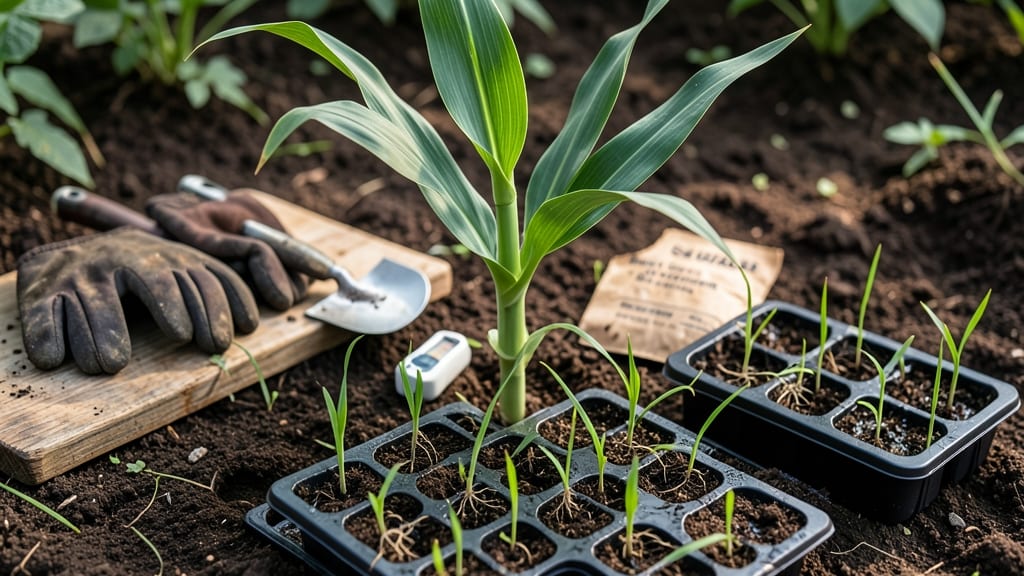
Timing your garden planting in Iowa isn't just about guessing—it's about knowing your exact frost-free window or risk losing your hard work to a late freeze.
With USDA Zones ranging from 4b to 5b, the difference between a thriving harvest and a failed crop can come down to just 10 days of perfect timing.
I’ve spent years tracking Iowa’s unpredictable weather patterns, and what I’ve learned could save you from common mistakes like planting tomatoes too early or missing the ideal window for cold-hardy greens.
Whether you’re a first-time gardener or a seasoned grower, these precise planting dates—backed by Iowa State University’s research—will give you the confidence to start your garden at the perfect moment.
From the moment the soil warms to 50°F in spring to the first signs of frost in fall, we’ll break down the critical windows for everything from lettuce to corn.
You’ll discover how to adjust for your specific zone, extend your growing season with row covers, and even handle those frustrating late-spring cold snaps that Iowa is famous for.
Ready to turn your garden dreams into reality? Let’s dive into the foolproof schedule that’ll have your plants thriving—no guesswork required.
Iowa planting zones & exact frost-free dates by region
Iowa spans USDA Hardiness Zones 4b through 5b, meaning frost dates vary dramatically between northern and southern regions. In Zone 4b (northwest Iowa), the last spring frost typically arrives around May 15, while Zone 5b (southeast Iowa) sees frost-free conditions by April 20.
These dates create a 3-week window for planting warm-season crops like tomatoes and peppers.
First frosts also differ sharply: Zone 4b averages October 10, while Zone 5b holds off until October 25. Microclimates add complexity—urban areas like Des Moines can be 3-5°F warmer than rural fields, delaying frost by 1-2 weeks.
Always verify with your local Iowa State University Extension office for real-time updates.
Here’s your zone-specific planting calendar for cool-season vs. warm-season crops, based on 30-year averages from the National Oceanic and Atmospheric Administration (NOAA). Adjust dates if you’ve had recent late springs or early frosts in your area.
| Zone | Last Frost (Avg.) | First Frost (Avg.) | Cool-Season Planting | Warm-Season Planting | Microclimate Tip |
|---|---|---|---|---|---|
| 4b (NW IA) | May 15 | Oct 10 | Mar 15–Apr 15 | May 22–Jun 10 | Use row covers for early planting |
| 4a (Far NW) | May 22 | Sep 25 | Mar 1–Apr 1 | May 29–Jun 15 | Extend season with cold frames |
| 5a (Central IA) | Apr 28 | Oct 18 | Mar 10–Apr 10 | May 1–May 15 | Urban areas plant 1 week earlier |
| 5b (SE IA) | Apr 20 | Oct 25 | Mar 1–Mar 25 | Apr 25–May 5 | Plant peppers after May 10 |
For cool-season crops like lettuce, spinach, and peas, start seeds indoors 4-6 weeks before your last frost date. Harden off seedlings for 7-10 days before transplanting. In Zone 5b, you can even sow radishes and arugula as early as March 1 under row covers.
Warm-season crops like tomatoes, peppers, and cucumbers need soil temperatures above 55°F to germinate. Use a soil thermometer to confirm—wait until May 15 in Zone 4b and May 1 in Zone 5b. If late frosts threaten, opt for fast-maturing varieties or use black plastic mulch to warm the soil.
Iowa’s frost-free growing season ranges from 120 days in Zone 4b to 160 days in Zone 5b. Plan your succession planting accordingly—sow bush beans and zucchini every 2 weeks from May through June to maximize harvests.
Always keep a frost watch calendar handy for the final 2 weeks of spring.
Urban gardeners in Des Moines, Cedar Rapids, or Iowa City often enjoy 5-7°F warmer microclimates due to concrete heat retention. This can push your planting window 1-2 weeks earlier for
Best planting schedule for Iowa’s top 10 vegetables (with frost tolerance levels)
Iowa’s gardening success hinges on timing. The last spring frost (typically April 20–May 10) and first fall frost (around October 10–15) bookend your growing season. But some crops thrive before the last frost, while others need warm soil to germinate—even if air temps rise.
Let’s break down Iowa’s top 10 vegetables by their frost tolerance and ideal planting windows.
For cool-season crops, like lettuce and spinach, you can start seeds 4–6 weeks before your last frost date. Warm-season crops, such as tomatoes and peppers, demand soil temps of 60°F+—waiting too long risks stunted growth.
Use a soil thermometer to avoid guesswork. Row covers can extend your season by 2–4 weeks for both early and late plantings.
Pro Tip: Group crops by their heat requirements. For example, beans and squash love warmth, while kale and carrots tolerate light frosts. Below, I’ve ranked Iowa’s favorites by risk-reward—from the hardiest (like radishes) to the most finicky (like peppers).
| Vegetable | Frost Tolerance | Optimal Planting Window | Soil Temp Requirement | Season Extension Tip |
|---|---|---|---|---|
| Radishes | ❄️ Hardy to 20°F | March–April (early) or August–September (fall) | 40–50°F | Use row covers for spring/fall |
| Spinach | ❄️ Tolerates light frost | March–April or August–September | 45–55°F | Sow successionally every 2 weeks |
| Lettuce | ❄️ Survives 25°F | March–May or August–September | 40–60°F | Plant in partial shade in summer |
| Peas | ❄️ Hardy to 25°F | March–April (early) or July (fall) | 40–50°F | Trellis for airflow to prevent disease |
| Corn | 🌡️ Sensitive to frost | May 1–15 (after soil hits 60°F) | 60°F+ | Plant blocked, not rows, for pollination |
| Beans | 🌡️ No frost tolerance | May 10–June 1 | 60°F+ | Use black plastic mulch to warm soil |
| Tomatoes | 🌡️ Killed by 32°F | May 15–June 1 (after last frost) | 60°F+ | Start indoors 6–8 weeks before transplant |
| Peppers | 🌡️ No frost tolerance | May 20–June 10 | 70°F+ | Use row covers for early starts |
| Squash | 🌡️ Sensitive to cold |