
Plants
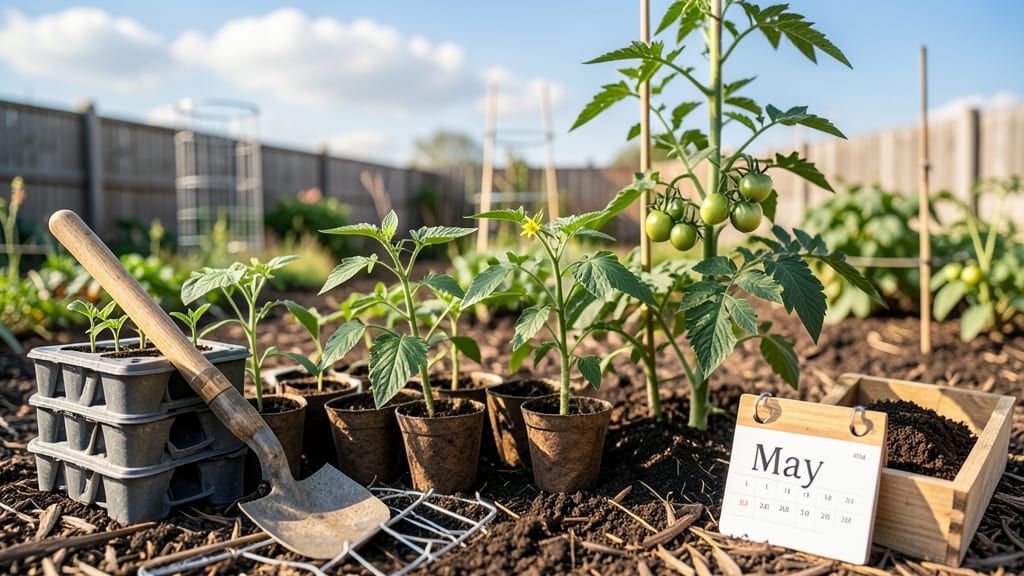
Planting tomatoes in Missouri isn’t just about grabbing seeds and sticking them in the dirt—it’s about timing your moves to beat frost, heat, and Missouri’s famously unpredictable weather.
Whether you’re in St. Louis’s USDA Zone 6b or the Bootheel’s Zone 7-8, getting those 🍅 seedlings in the ground too soon means frost damage, and too late means your plants bolt before harvest. The sweet spot?
After your last frost date—typically mid-April to early June, depending on where you live.
Here’s the catch: Missouri’s heat zones create wildly different planting windows. In cooler northern counties like St. Louis, you might start seeds indoors by March 1 to transplant after April 15, while southern regions like Poplar Bluff can wait until May.
And don’t even think about skipping soil prep—Missouri’s clay-heavy dirt needs warming up with black plastic mulch or a cold frame to give those tender seedlings a fighting chance.
But what if you’re eyeing a fall harvest? That’s where things get tricky. Fall planting can work in Missouri’s warmer zones, but it’s a gamble in colder areas. We’ll break down the risks, rewards, and the exact county-specific deadlines you need to avoid wasting your effort—or your garden space.
Spoiler: It’s not as simple as “plant in September.”
Ready to stop guessing and start growing? I’ll walk you through the step-by-step schedule for both spring and fall planting, plus pro tips to stretch your harvest season. Let’s turn your Missouri garden into a tomato powerhouse—without the trial-and-error headaches.
Missouri heat zones & best planting dates by season (spring vs fall)
Missouri spans USDA heat zones 5-8, creating dramatic differences in planting windows. In St. Louis (Zone 6b), you’ll have 2-3 weeks earlier to plant than in Joplin (Zone 6a), while the bootheel (Zone 7b) enjoys a full month-long extension.
These variations mean your tomato planting dates must align with your exact location—or risk frost damage or stunted growth.
Spring planting starts 4-6 weeks before your last frost date, but Missouri’s unpredictable weather demands flexibility. For example, Kansas City (Zone 5b-6a) typically sees its last frost around April 15, while Sedalia (Zone 6a) averages April 22.
Fall planting, however, is riskier—only heat zones 7-8 reliably support late-season tomatoes before the first frost hits.
Here’s how to navigate Missouri’s planting zones with precision, including exact transplant windows and county-specific frost dates to maximize your tomato harvest.
For spring planting, aim to transplant tomato seedlings 2-3 weeks after your last frost date. In Zone 5b (northern Missouri), this often means waiting until late April or early May, while Zone 7b (bootheel) gardeners can start as early as mid-March for heat-loving varieties.
Use black plastic mulch to warm soil faster in cooler zones.
Fall planting is only viable in zones 7-8 and requires fast-maturing varieties like Sungold cherry tomatoes. Plant 6-8 weeks before your first frost date—typically late July to early August in St. Louis—and use row covers to extend the season by 2-3 weeks.
Avoid fall planting in Zone 5-6 unless you’re using a greenhouse.
Pro tip: Check your local cooperative extension office for hyper-local frost dates. For example, Poplar Bluff (Zone 7b) often sees its last frost 2 weeks earlier than Sedalia (Zone 6a), giving bootheel gardeners a critical head start.
Always harden off seedlings for 7-10 days before transplanting to prevent shock.
Soil temperature matters just as much as air temperature. Tomatoes thrive when soil reaches 60°F+. In cool spring months, use cold frames or row covers
Missouri’s unpredictable April frosts can turn eager tomato seedlings into sad, crispy memories. But with the right prep, you can outsmart frost and give your plants a head start. The key? Warm soil, protected starts, and precise timing—especially in USDA zones 5b-6b where last frost dates vary by 2-3 weeks across the state. I’ve learned the hard way that rushing outdoors before soil hits 60°F stunts growth, while waiting too long means bolting plants or heat stress. The solution? A multi-phase approach that combines indoor starts, soil warming, and frost-proofing tactics. Let’s break it down into actionable steps so your tomatoes thrive from seed to harvest. One trick I swear by? Cold frames for late starts. Even if frost hits, a clear plastic dome over seedlings can raise temps by 10-15°F overnight. I’ve saved entire batches this way in St. Louis’ zone 6b when April surprises us with 28°F nights. For container growers, move pots to protected spots (like against a south-facing wall) during the day and cover with blankets at night. Containers cool faster than in-ground soil, so insulation is critical. Pro tip: Use heat mats under pots to mimic warmed soil. Remember: Missouri’s last frost isn’t just a date—it’s a moving target. Check your local Cooperative Extension for updates, and when in doubt, wait 2 more weeks. Your tomatoes will thank you with juicier fruit and bigger yields all season long. 🌱Spring planting: step-by-step guide to avoid frost & maximize yield
🌱 7-Step Spring Planting Checklist