
Plants
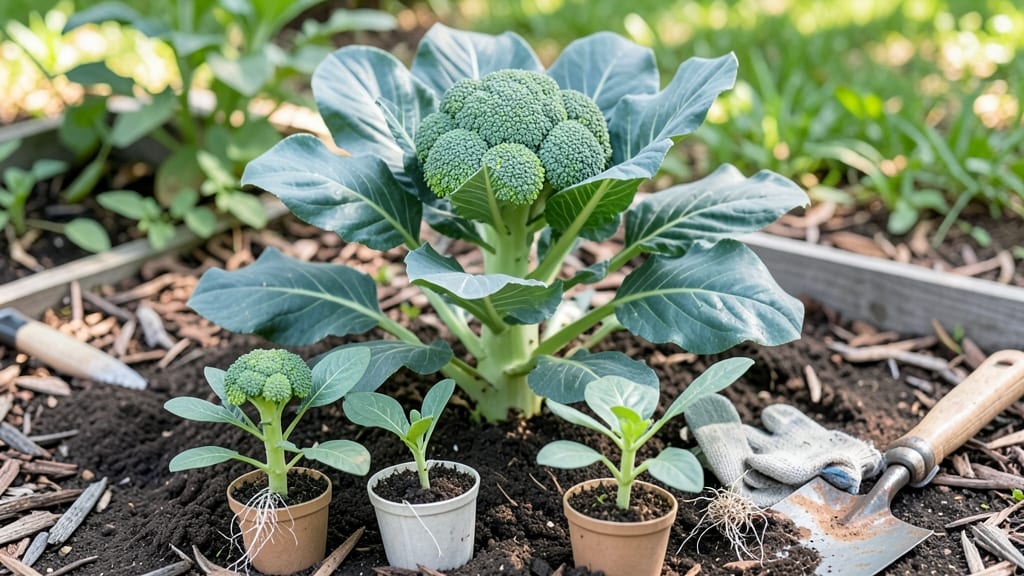
Planting broccoli in North Texas means beating the heat—because this cool-weather crop bolts (and goes bitter) faster than a summer afternoon in 8a. Miss the window, and you’ll end up with sad, stunted 🥦 instead of the towering heads you crave.
Here’s the secret: timing isn’t just about months—it’s about microclimates. The DFW Metroplex and Panhandle have different frost dates, and even a 2-week miscalculation can mean the difference between a bountiful harvest and wasted seeds.
Let’s break down the exact planting schedule so you can grow broccoli that thrives, not struggles.
You’ll learn the two best windows for North Texas—spring and fall—and how to stretch your growing season with shade tricks and succession planting. No more guessing whether your broccoli will survive the Texas sun or bolt before you can enjoy it.
Ready to grow broccoli that’s bold, fresh, and ready to harvest? Let’s get your calendar (and your garden) on track.
North Texas broccoli planting calendar: months by microclimate zone
North Texas spans USDA zones 7b-8a, creating microclimates where timing makes or breaks your broccoli harvest. The DFW Metroplex (zone 8a) has milder winters than the Panhandle (zone 7b), while East Texas (zone 8a) stays warmer longer.
These differences mean your last frost date could vary by 2-3 weeks across the region—critical for broccoli’s 60-day growth window.
Broccoli thrives in cool-season temperatures (50°F–75°F), but heat above 80°F triggers bolting. In North Texas, that means spring and fall plantings only. Miss the window, and you’ll battle bitter-tasting heads or wasted seeds.
Let’s break down the optimal planting months for each zone, plus zero-bolt strategies to maximize your harvest.
Here’s the comparison table for North Texas broccoli planting by microclimate, including direct-sowing vs. transplanting recommendations:
| Microclimate Zone | Last Frost Date | Ideal Planting Window | Transplanting Window | Heat Risk Level |
|---|---|---|---|---|
| DFW Metroplex (Zone 8a) | March 15 | Late Feb–Early Mar (spring) / Aug 15–Sep 1 (fall) | Mar 1–Apr 15 / Sep 15–Oct 1 | High (May–June) |
| Panhandle (Zone 7b) | March 1 | Early Feb–Mid-Mar (spring) / Aug 1–Aug 15 (fall) | Feb 28–Mar 31 / Aug 16–Sep 1 | Very High (June–July) |
| East Texas (Zone 8a) | March 22 | Early Mar–Mid-Mar (spring) / Aug 10–Aug 25 (fall) | Mar 15–Apr 10 / Aug 30–Sep 10 | Moderate (May–June) |
For spring plantings, aim to sow seeds 4–6 weeks before your last frost date. In the DFW Metroplex, that’s late February to early March, while the Panhandle’s cooler climate lets you start early February.
Use row covers if nighttime temps dip below 40°F to protect young seedlings.
Fall is trickier—broccoli planted too late risks heat stress before harvest. In East Texas, August 10–25 is your sweet spot, while DFW gardeners should finish by September 1. The Panhandle’s shorter growing season demands early August plantings for a fall harvest before frost.
Pro tip: Succession planting every 2 weeks in spring/fall extends harvests. For example, in DFW, sow March 1, March 15, and April 1 for staggered maturity. This spreads out your harvest and reduces bolting risks from uneven heat exposure.
If you’re transplanting seedlings (bought or homegrown), harden them off for 7–10 days before moving outdoors.
In North Texas’ dry air, mulch with straw or shredded leaves to retain moisture and prevent soil crusting, which stunts root growth. Morning watering (1–1.5 inches 3–4 days) keeps plants hydrated without fungal risks.
Remember: Broccoli planted in June or July will bolt within weeks—don’t waste seeds! Instead, use that space for heat-tolerant veggies like okra or sweet potatoes. Save broccoli for cool-season windows where it thrives without bolting.
🌱
How to extend broccoli’s growing season in North Texas heat
North Texas summers can turn broccoli from a crisp, flavorful harvest into a bitter, bolted disappointment in just a few weeks. The key to success? Strategic heat management that keeps your plants cool, hydrated, and stress-free.
I’ve grown broccoli in 95°F+ conditions using these proven techniques—now you can too. Start by choosing the right varieties and timing your shade interventions just right.
Heat-tolerant varieties like ‘De Cicco’ and ‘Waltham 29’ are your best bets for North Texas. These varieties handle 85-90°F temperatures better than standard types, but they still need help when temps climb higher.
Pair them with succession planting every 2-3 weeks in late summer to stagger harvests and avoid losing your entire crop at once. This method works especially well for fall gardens.
Here’s the game plan for extending your broccoli’s growing season in North Texas heat:
- Install shade cloth at 30-50% coverage as soon as daytime temps hit 85°F. Use white or silver fabric to reflect heat, and secure it 3-4 feet above plants to avoid trapping moisture. Remove it by late afternoon to allow sunlight for photosynthesis.
- Water deeply in the early morning (before 8 AM) to keep soil temps down. Aim for 1-1.5 inches per week, and use drip irrigation to target roots directly. Mulch with 2-3 inches of straw to retain moisture and block heat from the soil surface.
-
Transplant late-summer seedlings in August using a 3-step checklist:
- Choose afternoon shade spots (e.g., under fruit trees or near north-facing walls).
- Hard off seedlings for 3-5 days before transplanting to toughen them up.
- Plant 18-24 inches apart in well-amended soil with compost and aged manure.
Don’t overlook the power of succession planting in late summer. By sowing new seeds every 2 weeks from mid-August to early September, you’ll create a rolling harvest that avoids the worst heat.
For example, a September 1st planting might bolt by October 15th, but a September 15th planting could yield harvest-ready heads by November 1st—just before frost.
One of my biggest mistakes? Skipping the soil moisture check during heatwaves. Broccoli roots need consistent hydration, but overwatering at night invites fungal diseases. Instead, I now use a moisture meter to ensure the top 2 inches of soil stay damp but not soggy.
This small adjustment saved my 2022 fall crop from wilting during a 100°F heatwave in early October.
For extra protection, consider row covers during the hottest afternoons (especially in USDA Zone 8a). These lightweight fabrics reduce soil temps by 10-15°F and can mean the difference between a bolted mess and a market-ready harvest.
Just remember to remove them during rainy periods to prevent rot. With these techniques, you’ll enjoy crisp, sweet broccoli well into November—even in North Texas heat.