
Planting
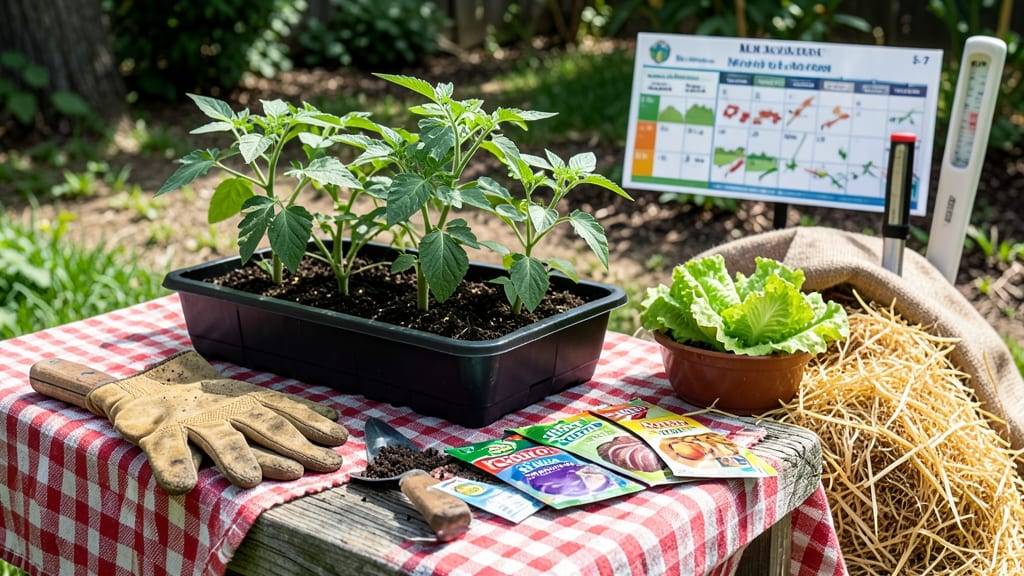
Timing your vegetable garden in Missouri can feel like playing a high-stakes game of chance—plant too early, and frost zaps your seedlings; too late, and summer heat turns your tomatoes into sunscalded messes.
I’ve spent years perfecting the schedule for USDA Zone 5b-6b, and the key is knowing when to start seeds indoors, when to transplant tender seedlings, and how to stretch your growing season with smart tricks.
Whether you’re a first-time gardener or a seasoned pro, these exact start dates will help you avoid the most common mistakes.
Missouri’s climate throws curveballs—late spring frosts in April and early fall freezes by October—but with the right timing, you can still grow a bountiful harvest of tomatoes, lettuce, and winter squash. Let’s break down the optimal planting windows so you can skip the guesswork and start reaping rewards by midsummer.
From cool-season crops like peas and spinach to heat-lovers like peppers and okra, I’ll walk you through the best months to plant, how to adjust for your specific region, and which crops to prioritize for a fast, reliable harvest—even in Missouri’s unpredictable weather.
Missouri heat Zone 6b planting schedule by season: exact start dates for zero-frost crops
Missouri’s Heat Zone 6b climate creates a unique growing window—cool springs, hot summers, and unpredictable fall frosts. To maximize your harvest, align planting with last frost dates (typically April 15) and first frost risks (around October 15).
The key is dividing crops into cool-season (spring/fall) and warm-season (summer) categories, each with precise timing to avoid frost damage or heat stress.
For cool-season crops like lettuce, spinach, and peas, start seeds 4-6 weeks before your last frost. In Missouri, this means sowing late February to early April for early varieties.
Transplant seedlings 2-3 weeks before last frost (around March 15-April 1) to ensure they mature before summer heat sets in. These crops thrive in 50-70°F soil, so avoid planting when temperatures exceed 80°F.
🌱 Missouri Heat Zone 6b Planting Summary Table
| Season | Crop Type | Planting Window | Key Notes |
|---|---|---|---|
| Spring | Cool-Season | Feb 20 - Apr 15 | Lettuce, Spinach, Peas, Broccoli |
| Spring | Warm-Season | Apr 15 - May 15 | Tomatoes, Peppers, Squash |
| Summer | Warm-Season | May 15 - Jul 15 | Corn, Beans, Cucumbers |
| Fall | Cool-Season | Aug 1 - Sep 15 | Kale, Radishes, Carrots |
| Fall | Warm-Season | Jul 15 - Aug 15 | Late Tomatoes, Peppers |
*Timing varies by Missouri region (e.g., St. Louis vs. Kansas City). Adjust for microclimates.
Warm-season crops like tomatoes, peppers, and squash demand soil temperatures above 60°F and frost-free conditions. Plant these 2-3 weeks after last frost (around May 1), using row covers if late frosts linger. For northern Missouri (USDA Zone 5b), push planting to May 15 to avoid early heat stress. Southern Missouri (Zone 6b) can start as early as April 20 in sheltered areas.
Missouri’s fall planting is equally critical. Cool-season crops like kale, carrots, and radishes thrive when sown August 1-September 15, allowing them to mature before first frost.
For warm-season crops, late plantings of tomatoes or peppers can extend harvests if started July 15-August 1, using black plastic mulch to warm the soil. Always calculate days to maturity—aim for harvest before October 15.
Regional variations matter: St. Louis (Zone 6a) has slightly later last frosts (April 20) than Kansas City (Zone 5b) (April 10). Use your local agricultural extension office for precise frost dates.
For example, Columbia’s Zone 6b aligns closely with the table above, but Southeast Missouri (Zone 7a) can push warm-season crops 2 weeks earlier.
Pro tip: Succession planting maximizes yields. For leafy greens, sow every 2 weeks from March to September. For beans or peas, stagger plantings every 10 days to ensure a continuous harvest. This works especially well in Missouri’s short growing season, where timing is everything.
Don’t overlook soil preparation—Missouri’s clay-heavy soils benefit from compost amendments and raised beds to improve drainage. Test soil pH (ideal: 6.0-7.0) and adjust with lime or sulfur before planting. Warm-season crops need well-draining soil, while cool-season crops tolerate slightly cooler, moister conditions.
Missouri’s unpredictable weather means flexibility is key. Keep row covers and cold frames on hand for late frosts, and monitor 7-day forecasts before planting heat-sensitive crops. With these exact dates and regional adjustments, your Missouri vegetable garden will thrive from spring to fall.
🌱
How to adjust planting times for Missouri’s microclimates and frost risks
Missouri’s USDA Zones 5b-6b create unique challenges for gardeners, especially when dealing with late spring frosts and early fall freezes. Even within the same county, microclimates can shift planting windows by 2-4 weeks, so knowing how to adapt is key to avoiding frost damage.
For example, northern Missouri (like St. Louis) often sees its last frost around April 15, while southern Missouri (like Springfield) may wait until May 1.
One of the best ways to extend your growing season is by selecting cold-hardy varieties that can tolerate light frosts. Crops like kale, spinach, and peas thrive in cooler temperatures and can even be planted as early as late February under row covers.
Meanwhile, warm-season crops like tomatoes and peppers need to wait until after the last frost date, but you can still get a head start indoors.
Another strategy is using season extenders like cold frames, hoop houses, or lightweight row covers. These can push back the first frost by 2-4 weeks in fall or jumpstart spring planting by 3-5 weeks.
For instance, if you plant lettuce under a row cover in early March, you might harvest by late April—weeks before uncovered plants would be ready.
⚠️ callout warning
Missouri’s average first frost ranges from October 15 (south) to October 30 (north), but early freezes can strike as soon as September 15. Warm-season crops like tomatoes and peppers planted too late may not mature before frost. Use hardiness zone maps and local frost date averages to calculate safe planting windows.
Pro Tip: Check the National Weather Service or your local agricultural extension for 10-day forecasts before planting frost-sensitive crops. Even a 28°F night can kill young seedlings!
If you’re dealing with a shorter growing season, focus on fast-maturing varieties or successive planting. For example, plant radishes every 2 weeks from March to July for a continuous harvest.
Similarly, bush beans and carrots can be sown in early spring and again in late summer for a fall crop. This approach maximizes your yield despite Missouri’s limited frost-free window (typically 165-200 days).
For high-value crops like tomatoes or peppers, consider starting seeds indoors 6-8 weeks before your last frost date. This gives seedlings a head start and ensures they’re large enough to transplant safely.
If you’re in Zone 5b, aim to have transplants ready by April 15, while Zone 6b gardeners can wait until May 1. Always harden off seedlings for 7-10 days before moving them outside to avoid shock.
Finally, monitor microclimates in your garden. South-facing slopes warm up faster than shaded areas, and low-lying spots can trap cold air. Use these natural variations to your advantage: plant frost-sensitive crops on warm slopes and hardy greens in cooler spots.
With these adjustments, you can turn Missouri’s unpredictable climate into an advantage and enjoy a longer, more productive growing season.