
Trees
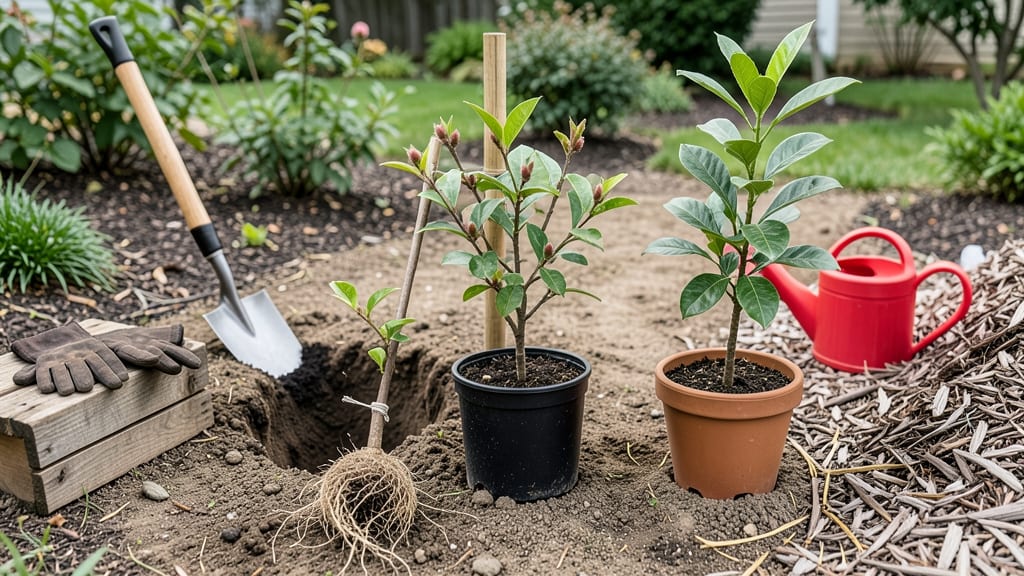
Most gardeners in Zone 8 focus on the calendar, but the real secret lies in soil temperature and frost risk. You’ll want to plant when the ground warms to 50°F—that’s usually late winter to early spring—but fall planting can also work if you choose the right varieties.
Let’s break down the best windows for your specific fruit trees and how to avoid common mistakes that ruin establishment.
Whether you’re adding citrus, stone fruits, or avocados, getting the timing right ensures stronger roots and faster growth. I’ll show you exactly when to plant for maximum success, including adjustments for container vs. in-ground planting and how to handle Zone 8’s microclimates.
Ready to set your fruit trees up for a lifetime of harvests?
From soil prep to frost protection, these insights will help you skip the guesswork. By the end, you’ll know exactly when to dig in—so your trees can grow big, strong, and fruitful from day one.
Optimal planting windows for fruit trees in Zone 8 based on soil temperature
In Zone 8, the best time to plant fruit trees depends on soil temperature and frost risk. Most fruit trees thrive when planted in late winter to early spring (February–March) or fall (October–November). This timing ensures roots establish before extreme heat or cold arrives.
For stone fruits like peaches and plums, aim for February–March when soil reaches 50°F+. Citrus trees prefer fall planting (October–November) to avoid summer drought stress. Pome fruits (apples, pears) can handle late winter planting if frost risk is low.
Soil temperature is critical—roots need 50°F+ to grow, but 60°F+ speeds up establishment. Use a soil thermometer to check before planting. In Zone 8, last frost is around March 15, so avoid planting too early.
Frost risk is the biggest threat. Early spring planting (February) works if nights stay above 32°F, but late winter (January) risks frost damage. Fall planting (October–November) gives roots time to settle before winter dormancy.
Container-grown trees offer flexibility—plant them year-round except in extreme heat (above 90°F) or freezing temps. Bare-root trees must go in during dormancy (late winter/early spring). Always water deeply after planting to reduce transplant shock.
For Zone 8’s microclimates, coastal areas can plant slightly earlier (January) due to milder winters, while inland regions should wait until March. Monitor local frost forecasts—even Zone 8 can see unexpected cold snaps.
Mulch heavily (3–4 inches) after planting to retain moisture and regulate soil temperature. Use wood chips or straw, keeping mulch 6 inches away from the trunk to prevent rot.
Young trees need consistent moisture for the first 2 years. Deep watering 2–3 times per week in summer keeps roots healthy. Avoid overhead watering to prevent fungal diseases like peach leaf curl.
Prune lightly at planting to remove damaged branches and open the canopy for sunlight. Avoid heavy pruning—it stresses new roots. Fertilize lightly 6–8 weeks after planting with a balanced 10-10-10 blend.
By following these soil temperature and frost risk guidelines, your Zone 8 fruit trees will establish strong roots and bear fruit for years. 🌱
How to adjust planting timing for drought-prone or heavy-rain Zone 8 climates
Zone 8 climates present unique challenges for fruit tree growers—whether you're battling summer droughts or heavy seasonal rains. The key to success lies in adjusting planting times to match water availability and preparing the root zone for extreme conditions.
For example, citrus trees thrive when planted in fall to avoid summer water stress, while stone fruits benefit from early spring planting to establish roots before heat waves hit.
In drought-prone areas, fall planting (September–November) gives roots time to establish before summer’s peak heat. Meanwhile, heavy-rain zones may require container planting or raised beds to prevent waterlogging.
Both scenarios demand mulching and soil amendments to retain moisture or improve drainage. Let’s break down the adjustments you’ll need to make for your specific conditions.
- 1. Plant citrus in fall (Sept–Nov) to avoid summer drought stress. Soil temps should be 60–70°F for root growth.
- 2. Choose stone fruits for early spring (Feb–March) to establish roots before heat waves. Aim for 50°F+ soil temps.
- 3. Mulch with 3–4 inches of wood chips to retain moisture in drought areas or improve drainage in heavy-rain zones.
- 4. Amend soil with compost to boost water retention (drought) or drainage (rainy climates).
- 5. Use container planting for heavy-rain areas to control soil moisture and prevent root rot.
For drought-prone Zone 8, prioritize deep watering every 10–14 days once established, but focus on root zone preparation first. Amend soil with organic matter like compost or aged manure to improve moisture retention.
A 3-inch layer of mulch around the base reduces evaporation and keeps roots cool during heat spikes.
In heavy-rain climates, drainage is critical. Plant on a slight slope or use raised beds to prevent waterlogging. If container growing, ensure pots have drainage holes and use a well-draining mix (50% potting soil, 30% perlite, 20% compost).
Avoid planting during peak rainy seasons to let soil settle and prevent erosion.
Adjust your fertilizer schedule based on water availability too. In drought areas, feed lightly in fall to encourage root growth before summer dormancy. In rainy zones, skip summer fertilization to avoid nutrient runoff. Always water deeply after fertilizing to help nutrients reach roots.
Finally, monitor your trees closely after planting. Wilting leaves in drought conditions signal underwatering, while yellowing leaves in heavy-rain zones may indicate overwatering. Adjust your care routine accordingly—your fruit trees will thank you with healthier growth and better yields! 🌱