
Trees
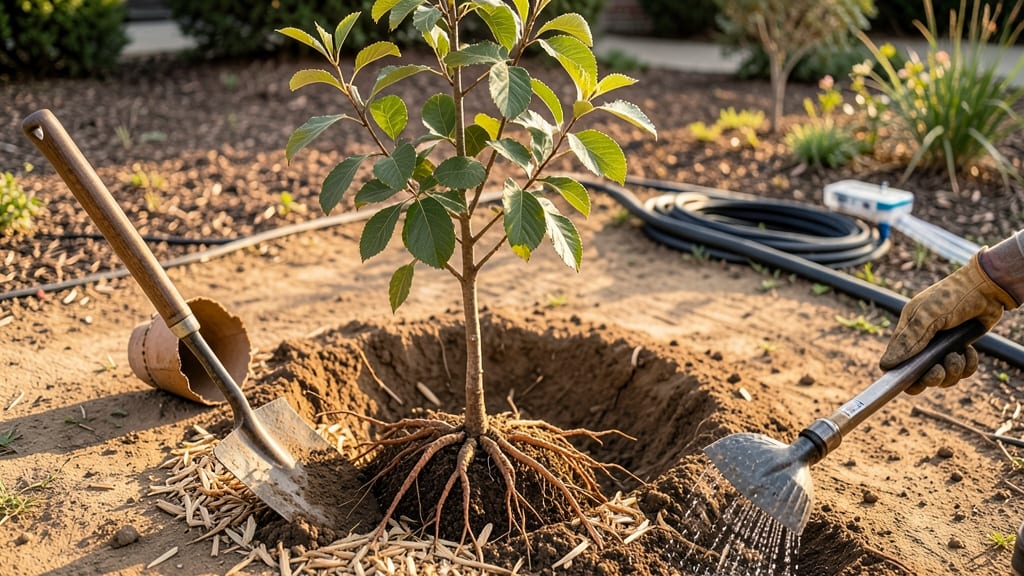
Planting fruit trees 🍎🍑🍊 in Central Texas isn’t just about grabbing a shovel—it’s about matching your tree’s chill-hour needs to the perfect window, or you’ll end up with frustrated roots and empty branches.
Most gardeners here know the drill: too early, and your tree wilts in the heat; too late, and winter’s first frost catches it off guard. But the real secret? Understanding your tree’s chill-hour requirements—whether it’s a low-chill fig or a high-chill apple—and aligning it with Central Texas’ 8a-8b climate.
I’ve tested the best planting months for peaches, plums, citrus, and more, so you don’t have to guess. In this guide, you’ll learn exactly when to plant for maximum root growth, how to prep your soil for Texas heat, and which varieties thrive with minimal fuss.
Ready to turn your backyard into a fruit-filled paradise? Let’s get those trees in the ground the right way—no second chances.
Best planting months for Central Texas fruit trees by chill-hour needs
Central Texas's USDA Zone 8a-9a climate demands precise timing for fruit tree planting. The key is aligning your chill-hour requirements with our mild winters—most varieties need 200-600 chill hours (below 45°F) to produce fruit.
Plant too early, and summer heat will stress young roots; too late, and they won’t establish before winter dormancy.
For low-chill varieties (0-200 hours) like figs and loquats, late winter (February) works perfectly. Moderate-chill trees (300-500 hours) such as peaches and plums thrive when planted in early spring (March), while high-chill varieties (600+ hours) like apples may struggle unless you choose adapted cultivars or use microclimate tricks.
Soil temperatures also matter: aim for 60°F+ before planting to ensure root growth. Our region’s last frost date (March 15) marks the ideal window for most varieties, but container-grown trees can be planted 2-3 weeks earlier since they’re less frost-sensitive.
🌱
🌿 Central Texas Fruit Tree Planting Guide by Chill Hours
| Variety | Chill Hours | Best Planting Month | Soil Temp Requirement | Notes |
|---|---|---|---|---|
| Figs (Celestial, Brown Turkey) | 0-200 | February-March | 55°F+ | Drought-tolerant; full sun |
| Loquats (Sapote) | 150-300 | February-March | 60°F+ | Heat-resistant; partial shade |
| Peaches (Redhaven, Elberta) | 300-500 | March-April | 60°F+ | Needs well-draining soil |
| Plums (Santa Rosa, Methley) | 400-500 | March-April | 60°F+ | Prune for airflow |
| Citrus (Oranges, Grapefruit) | 0-100 | February-March | 65°F+ | Container-friendly |
My top recommendation for Central Texas gardeners? Start with low-chill figs or loquats—they’re forgiving and produce reliably. For peaches and plums, choose dwarf varieties to simplify care and maximize fruit production in small spaces.
Always amend your soil with compost before planting to improve drainage, as our clay-heavy soils can suffocate roots.
Pro tip: If you’re planting in April or later, prioritize watering deeply 2-3 times per week for the first 60 days to help roots establish before summer heat sets in. Mulch heavily (3-4 inches) with wood chips or straw to retain moisture and regulate soil temperature.
For high-chill varieties like apples, consider microclimate hacks: plant near blacktop pavement or south-facing walls to create a 5-10°F warmer zone and boost chill hours naturally. Just be prepared for more maintenance—these trees need consistent care to thrive in our climate.
🌳
Remember, bare-root trees (sold without soil) can be planted throughout winter as long as the ground isn’t frozen, while container-grown trees offer more flexibility. If you miss the ideal window, don’t despair—just plant in early fall (October) and water thoroughly to help roots establish before winter.
Finally, label your trees
How to adjust planting for Central Texas heat waves and drought conditions
Central Texas summers bring extreme heat and unpredictable droughts, making the first 60-90 days after planting critical for fruit tree survival. Young roots struggle to establish in 100°F+ temperatures, so strategic adjustments can mean the difference between thriving trees and lost investments.
I’ve learned that mulching depth, watering timing, and shade placement are non-negotiable for Central Texas gardeners.
Start by selecting heat-tolerant varieties like 'Black Sapote' or 'Desert King' figs, which handle 110°F+ better than traditional peaches. These varieties reduce stress during root establishment while still producing fruit. For example, fig trees can recover faster from drought once established, making them ideal for our climate’s extremes.
⚠️ WARNING: Critical Mistakes to Avoid in Central Texas Heat Waves
Your watering schedule must shift with the seasons. During the first 60 days, water deeply every 5-7 days at dawn to reduce evaporation. Use a soaker hose or drip irrigation to deliver 15-20 gallons per tree directly to the root zone.
Avoid overhead sprinklers—they waste water and spread disease. I’ve seen peach trees wilt within days if watered inconsistently during our 105°F+ spells.
Mulching isn’t optional—it’s survival insurance. Apply 3-4 inches of organic mulch (like hardwood chips or straw) around the base, keeping it 6 inches from the trunk to prevent rot. This layer retains 30% more moisture and keeps soil temps 10°F cooler than exposed ground.
For citrus trees, which hate cold but also struggle in heat, a light-colored mulch reflects sunlight while maintaining moisture.
Shade protection is your secret weapon during the critical first 30 days. Use 30-50% shade cloth to block harsh afternoon sun while allowing morning light for photosynthesis. Secure it 4-5 feet above the ground to create airflow.
I’ve used removable fabric frames around young loquat trees, which thrive in our heat but need protection until their roots spread. Remove the shade after 60 days to harden off the tree gradually.
Monitor your trees’ stress signals closely. Wilting leaves, yellowing foliage, or leaf curl mean it’s time to adjust. For example, 'Everbearing Peach' trees show scorched leaf edges when thirsty, while figs drop leaves if roots dry out.
Keep a plant journal to track responses—this helps fine-tune care for future plantings. With these adjustments, even high-chill varieties like 'Loring' pear can survive our summers if given the right support.