
Trees
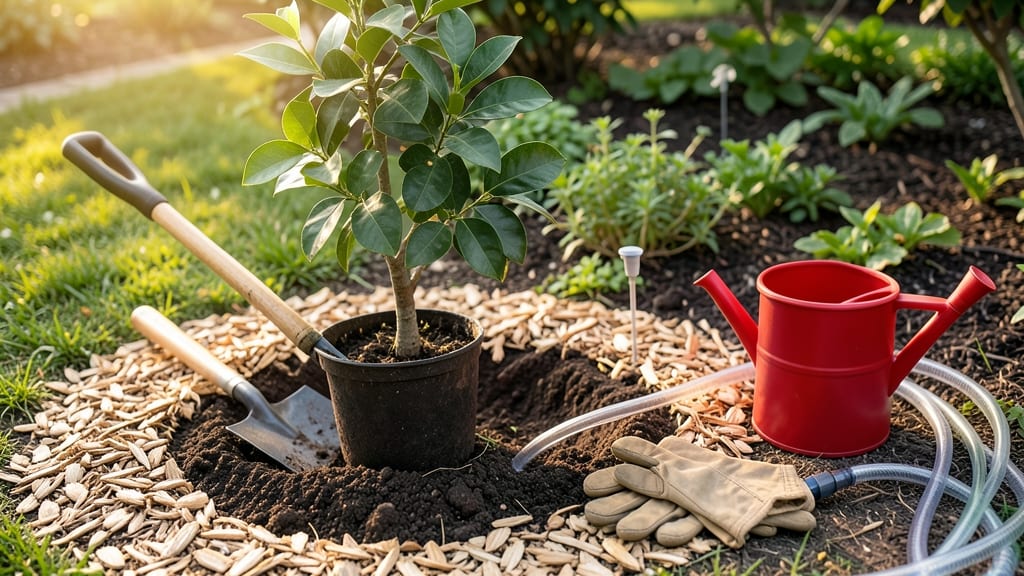
Planting fruit trees at the wrong time in Zone 8b could mean the difference between a bountiful harvest and years of frustration—especially when chill-hour needs vary so dramatically between varieties. 🍎 With mild winters and unpredictable frost patterns, timing is everything, and one misstep can leave your young trees struggling to establish roots before the heat sets in.
I’ve seen firsthand how a late winter to early spring planting window gives fruit trees the best shot at thriving in Zone 8b’s unique climate. But here’s the catch: not all fruit trees are created equal.
Citrus thrives year-round, while stone fruits like peaches need that perfect balance of dormancy and warmth. Let’s break down the exact windows that work—and why they matter so much for your orchard’s success.
The key to planting fruit trees in Zone 8b isn’t just about the calendar—it’s about matching your variety to the chill hours your microclimate provides. Coastal areas might handle low-chill varieties with ease, while inland spots could benefit from a little extra cold protection.
I’ll walk you through the best months for each type, so you can avoid common mistakes that derail even the most well-intentioned gardeners.
Ready to get started? You’ll learn how to time your planting for maximum root growth, which varieties play best in Zone 8b’s climate, and how to protect your trees from unexpected frost.
Let’s make sure your orchard gets off to the right start—because the best time to plant a fruit tree was 20 years ago, but the second-best time is right now.
Zone 8b fruit tree planting timeline based on chill hours
Zone 8b gardeners face a unique challenge: balancing mild winters with fruit trees that need chill hours to produce fruit. Unlike colder zones, your last frost date (around February 15) and first frost date (early December) create a narrow window for planting.
High-chill varieties (like apples) may struggle, while low-chill types (300 hours) thrive. I'll break down the best planting timeline for each category to maximize success.
Your Zone 8b climate offers 240 frost-free days, but chill hours (temperatures between 32-45°F) are critical. High-chill trees (600+ hours) need winter protection, while low-chill types (300 hours) can handle your mild winters.
The key? Planting at the right time ensures roots establish before summer heat arrives.
🌱 Planting too early risks frost damage, while planting too late means insufficient root growth before summer. I recommend late winter to early spring (February-March) for most varieties, with adjustments based on chill requirements. Below is your month-by-month planting guide tailored to Zone 8b's unique conditions.
| Month | Chill Category | Best Varieties | Planting Window | Key Considerations |
|---|---|---|---|---|
| February | Low-Chill (<300) | Peaches, Plums, Nectarines | Late Feb (after last frost risk) | Soil temps above 40°F; protect from late frosts |
| March | Medium-Chill (300-600) | Cherries, Apricots, Pears | Early March (before buds swell) | Amend soil with compost; mulch heavily |
| April | High-Chill (600+) | Apples, European Pears | Mid-April (after soil warms) | Use frost cloth; plant in microclimate |
| November | Bare-Root Transplant | All Varieties | Late Nov (dormant season) | Water deeply before first frost |
For low-chill varieties (<300 hours), February is ideal—plant after your last frost date (around February 15) when soil temperatures exceed 40°F. Peaches and plums establish quickly in this window, but protect young trees with frost cloth if late frosts occur.
I’ve had success with Elberta peaches planted in late February, which bore fruit by their third year.
Medium-chill trees (300-600 hours) like cherries and pears need early March planting before buds swell. This timing ensures roots establish before summer heat. Amend your soil with compost and apply mulch to retain moisture. I recommend testing soil pH (aim for 6.0-7.0) before planting—cherries are particularly sensitive to alkaline soils.
High-chill varieties (600+ hours) such as apples and European pears are trickier in Zone 8b. Plant them in mid-April after soil warms to 50°F, but use frost protection like bubble wrap or row covers.
Consider microclimates near south-facing walls or in sheltered valleys. I’ve seen Fuji apples thrive with these precautions, though yields may be smaller than in colder zones.
Bare-root trees can also be planted in late November during dormancy. This method works well for all chill categories and reduces transplant shock. Water deeply before the first frost to ensure roots stay moist. I’ve used this technique for Satsuma oranges, which establish beautifully in Zone 8b’s mild winters.
After planting, prioritize deep watering (10-15 gallons per tree) every 7-10 days until established. Avoid fertilizing in the first year—focus on root development instead. In my garden, peach trees planted in February with proper watering produced fruit by year three, while apple trees required an extra year of
Best low-chill fruit trees for Zone 8b and their ideal planting windows
Zone 8b’s mild winters make it perfect for low-chill fruit trees that need fewer than 300 chill hours. These varieties avoid the risk of winter damage while still producing delicious fruit.
My top picks for your orchard include peaches, plums, nectarines, figs, and loquats—all of which thrive when planted at the right time. The key? Late winter to early spring planting gives roots time to establish before summer’s heat arrives.
For stone fruits like peaches, aim for February to early March—this window ensures they’ve broken dormancy but haven’t yet faced summer stress. Coastal areas can even plant into April, thanks to their milder microclimates.
Meanwhile, figs and loquats are more flexible, tolerating fall or spring planting, but spring is ideal for faster establishment.
Here’s the breakdown of my top 5 low-chill varieties and their perfect planting windows:
After planting, focus on deep watering every 7-10 days to encourage root growth. Mulch around the base with 3-4 inches of organic matter to retain moisture and regulate soil temperature.
I’ve found that drip irrigation works best for young trees, delivering water directly to the roots without wetting the foliage—this reduces fungal risks.
One pro tip: If you’re in an inland Zone 8b area with colder microclimates, opt for late-March planting to avoid late frosts. Coastal gardeners, however, can push planting into April safely.
Always check your local last frost date—mine is around February 15, so I plant peaches by February 1 to be safe.
With the right variety and timing, your Zone 8b orchard can yield fruit year after year. Start with these low-chill champions, and you’ll be enjoying homegrown peaches by summer! 🍑