
Trees
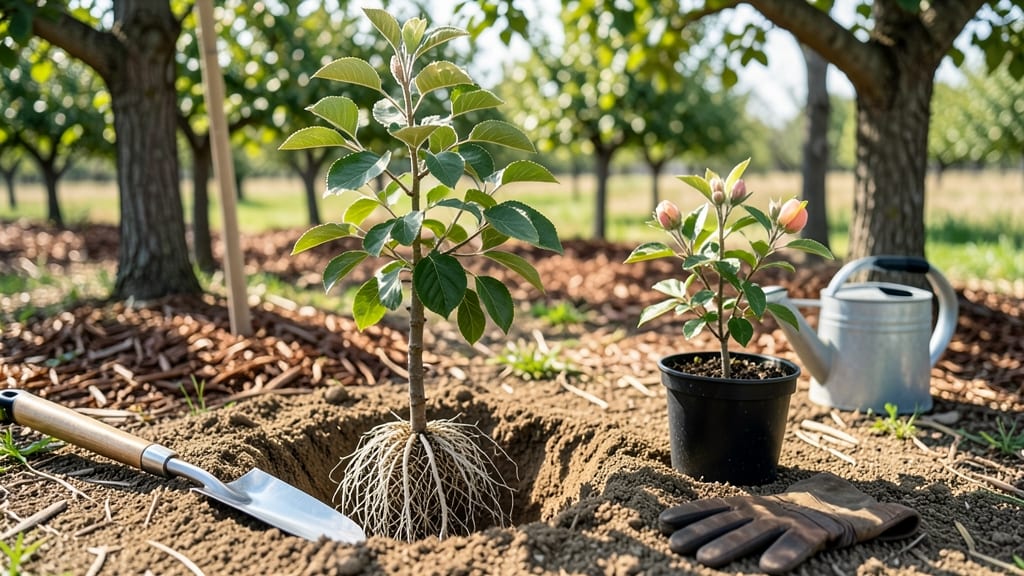
Timing your fruit tree planting in Washington State isn't just about spring—it's about avoiding the 30% failure rate caused by regional quirks like sudden Eastern WA freezes or Puget Sound's damp delays.
I've planted orchards across Washington's microclimates, and what works in the Columbia Basin's dry heat fails miserably in the maritime cool of the Olympic Peninsula. The difference comes down to soil temperature, frost dates, and variety-specific needs that most guides ignore.
You'll discover exactly when to plant—whether it's March for apples in Eastern WA or waiting until May in Western WA's cooler zones—plus how to prepare your site for maximum root success.
Let's break down the science behind these windows so your fruit trees thrive from day one, not just survive another Washington growing season.
Washington State planting zones: best months by microclimate for fruit tree success
Washington State’s five distinct microclimates create wildly different conditions for fruit tree planting. The Puget Sound region’s mild winters contrast sharply with the Columbia Basin’s hot, dry summers—meaning a one-size-fits-all approach fails. Let’s break down the optimal planting windows for each zone, including soil temperature thresholds and frost-free dates.
For Western Washington (including Puget Sound), your best window is late March through April, when soil temperatures hit 45°F (7°C).
This timing avoids late frosts while giving roots time to establish before summer heat. Eastern Washington, however, demands patience—plant in April or early May after the last frost, as cold snaps linger longer.
Here’s how to match your location to the perfect planting schedule:
| Microclimate | Best Planting Window | Soil Temp Threshold | Key Varieties |
|---|---|---|---|
| Puget Sound | Late March–April | 45–50°F (7–10°C) | Apples, Pears, Cherries |
| Western WA (Non-Puget) | April–Early May | 50–55°F (10–13°C) | Peaches, Plums, Apricots |
| Eastern WA (Palouse) | April–Early May | 40–45°F (4–7°C) | Apples, Cherries, Pears |
| Columbia Basin | Early May–June | 55–60°F (13–16°C) | Peaches, Nectarines, Figs |
| Cascade Foothills | Late April–May | 45–50°F (7–10°C) | Apples, Cherries, Plums |
🌱 Pro Tip: Test soil temperature with a soil thermometer—plant only when roots can thrive!
In the Puget Sound, where mild winters and high humidity prevail, focus on dwarf varieties like ‘Gala’ apples or ‘Bing’ cherries. These adapt well to urban gardens and container planting.
Meanwhile, Eastern WA’s low-chill varieties (like ‘Zestar!’ apples) thrive in areas with fewer than 500 chilling hours.
For container planting, adjust timing by 2–4 weeks later to account for slower soil warming. Use heat-absorbing fabric around pots to mimic in-ground temperatures. Peaches and nectarines in the Columbia Basin often need late May planting to avoid spring frost damage—a common pitfall.
Always check your local frost-free date (available via WA State Ag Weather Network) and add 2–3 weeks of buffer time. Apples and pears planted too early in Eastern WA risk root freeze, while stone fruits in Western WA may suffer from late-season heat stress if planted after June.
Remember: Bare-root trees (sold dormant) plant best in late winter/early spring, while container-grown trees can go in throughout the growing season. For maximum root growth, prioritize spring planting—just don’t rush it! ☀️
If you’re in Zone 7b–9a (most of WA), aim for March–May planting. But Zone 5–6 areas (like North Central WA) should wait until after May 15 to avoid late frosts. Microclimate matters more than USDA zone—so observe your yard’s sun exposure and wind patterns too!
For container-grown fruit trees, extend your planting window into early summer (June). Just ensure pots have drainage holes and use well-draining soil mixes to prevent root rot. Dwarf varieties like ‘Columnar apples’ are ideal for urban spaces and balcony gardens.
Finally, acidic soils (common in WA) benefit from lime amendments before planting. Test your soil’s pH (ideal: 6.0–6.5) and adjust 2–3 months before planting. Mycorrhizal fungi in native soils also help—don’t disturb them unnecessarily during transplanting! 🌿
Critical factors that determine planting timing (beyond just months)
Planting fruit trees in Washington State isn’t just about picking a month—it’s about understanding soil conditions, chilling requirements, and microclimate nuances that can make or break your orchard.
For example, apples need 500-1000 hours of chilling below 45°F, while peaches thrive with 300-500 hours. Ignoring these details often leads to stunted growth or no fruit production at all.
Washington’s acidic soils (pH 4.5-6.5) also demand attention. Mycorrhizal fungi—beneficial soil organisms—help roots absorb nutrients in these conditions, but they need the right timing to establish. Planting when soil temps hover between 45°F and 65°F ensures both roots and fungi can thrive without stress.
Here’s what you must evaluate before planting:
- Soil Moisture: Test with a trowel—soil should be moist but not soggy. Washington’s spring rains can delay planting if soil stays waterlogged for weeks.
- Chilling Hours: Check your fruit variety’s chilling needs. Cherries (900+ hours) won’t thrive in low-chill zones like the Columbia Basin unless you choose low-chill varieties like ‘Stella’.
- Transplant Shock: Avoid planting when frost is forecasted within 2 weeks. Bare-root trees planted in late winter (Feb-March) often suffer if a freeze hits.
- Mycorrhizal Fungi: Mix mycorrhizal inoculant into planting holes in acidic soils. These fungi boost root growth by 30-50% in Washington’s pine-needle-rich soils.
- Frost Risk: Use the USDA Plant Hardiness Zone Map but cross-check with local frost dates. Eastern WA (Zone 5-7) has earlier frosts than Western WA (Zone 7-9).
Before digging, run a pre-planting checklist to avoid common pitfalls. Start by testing soil pH—aim for 6.0-7.0 for most fruit trees. Amend with lime if pH drops below 5.5, but do this 3-6 months before planting to prevent root burn.
Another critical step is watering deeply 1-2 weeks before transplanting. This encourages roots to grow outward rather than circling, which reduces transplant shock. In drought-prone areas like Yakima, mulch with wood chips to retain moisture and regulate soil temperature.
Finally, time your planting to align with local bloom cycles. For example, peach trees planted in late winter (when buds are still dormant) establish roots before spring growth begins. In maritime climates like the Puget Sound, wait until April to avoid late frosts damaging new shoots.
By focusing on these five critical factors, you’ll give your fruit trees the best shot at thriving in Washington’s varied climate—whether you’re in freeze-prone Spokane or mild Bellingham. 🌳