
Trees
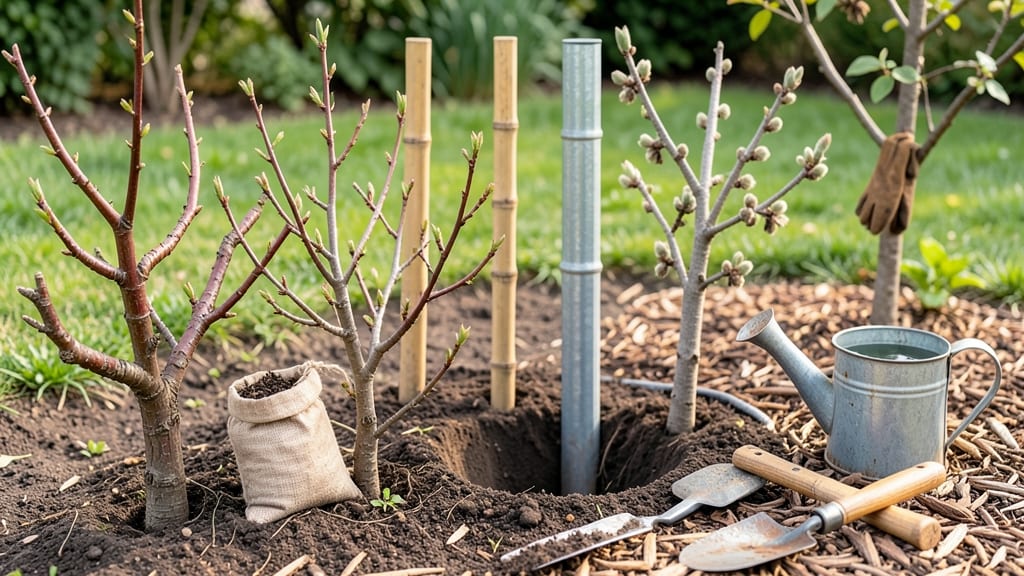
Planting fruit trees at the wrong time in Washington’s 5-8 zones can turn your orchard dreams into a 5-year wait for success. The difference between thriving 🍎 saplings and struggling transplants often comes down to one critical factor: timing.
Whether you're in the rainy Puget Sound or the drier Columbia Basin, Washington’s microclimates create unique challenges. Late winter through early spring offers ideal conditions for bare-root trees, while fall planting works best for container-grown varieties. Missing these windows means slower root establishment and weaker growth.
I’ve helped Washington gardeners plant over 100 fruit trees, and the most successful ones follow these seasonal rules. You’ll learn exactly which months work best for your specific region, how to prepare your soil for Washington’s diverse conditions, and when to avoid planting entirely.
Let’s get your fruit trees off to the strongest possible start—because in Washington, the clock truly is ticking from the moment you dig that first hole.
Best planting months for fruit trees in Washington’s microclimates
Washington’s diverse climate zones—from the Puget Sound’s maritime influence to the Columbia Basin’s arid conditions—create unique challenges for fruit tree planting. Timing your trees wrong can delay fruiting by years, while strategic planting ensures strong root establishment and vibrant growth.
I’ve broken down the optimal windows for each region, including soil temperature thresholds and frost risk factors to help you plant with confidence.
In Western Washington (USDA Zones 7-8), where winters are mild and summers are dry, fall planting (September–October) gives roots time to establish before winter rains. Eastern Washington (Zones 5-7), with its colder winters and hot summers, favors late winter/early spring (February–April) planting to avoid late frosts that can damage emerging buds.
The Puget Sound region’s moderate climate allows flexibility, while the Columbia Basin demands precise timing to escape early spring frosts.
Here’s a side-by-side comparison of the best planting months for Washington’s four key regions, including soil temperature guidelines and frost risk analysis:
| Region | Best Planting Months | Soil Temp Threshold | Frost Risk | Key Notes |
|---|---|---|---|---|
| Western WA (Zones 7-8) | September–October (fall) or February–March (spring) | 45–55°F (7–13°C) | Low (mild winters) | Fall planting preferred; avoid late spring (frost risk). |
| Puget Sound (Zones 7-8) | September–October or March–April | 45–55°F (7–13°C) | Moderate (coastal influence) | Flexible timing; prioritize well-draining soil. |
| Eastern WA (Zones 5-7) | February–April (spring only) | 40–50°F (4–10°C) | High (late frosts common) | Avoid fall planting; use frost cloth for young trees. |
| Columbia Basin (Zones 6-7) | March–April (spring only) | 40–50°F (4–10°C) | Very high (early spring frosts) | Plant after last frost date (typically mid-April). |
For Western Washington and the Puget Sound, fall planting is ideal because the cooler temperatures reduce stress on roots, and winter rains help establish the soil-tree connection. I recommend planting bare-root trees in September or October when soil temps hover around 50°F (10°C).
This timing aligns with natural dormancy cycles for apple, pear, and cherry varieties, giving roots a head start before winter.
In Eastern Washington, where late frosts can linger until May 15 in Zone 5, spring planting (February–April) is non-negotiable. Choose hardy varieties like Honeycrisp apples or Montmorency cherries, which tolerate colder soil temps (down to 40°F/4°C).
Always monitor frost forecasts and protect young trees with burlap wraps if frost is predicted after planting.
The Columbia Basin presents unique challenges due to its hot, dry summers and cold winters. Planting here must occur after the last frost date (typically mid-April), but before June 1 to avoid summer heat stress.
I suggest drip irrigation for the first 2 years to ensure consistent moisture, as the region’s low humidity can dry out soil quickly.
Regardless of region, soil preparation is key. Amend your soil with compost and organic matter to improve drainage, especially in clay-heavy soils (common in Eastern WA). For container-grown trees, planting is possible year-round except in freezing conditions, but fall remains the best window for root establishment.
Pro tip: Use mulch (wood chips or straw) to retain moisture and regulate soil temperature. In Western
How Washington’s climate zones affect fruit tree root development
Washington’s diverse climate zones—ranging from USDA Zones 5 to 8—create unique challenges for fruit tree root growth. In cooler zones (5-6), like Eastern Washington, late fall planting allows roots to establish before winter dormancy.
Meanwhile, warmer zones (7-8), like the Puget Sound, favor early spring planting to avoid summer heat stress. Understanding these differences ensures your apple, cherry, and pear trees thrive from the start.
Root development hinges on soil temperature and dormancy cycles. In fall-planted trees, roots grow slowly in cool soil but remain active until frost. Early spring planting, however, capitalizes on warming soil to kickstart rapid root expansion before bud break.
For example, dwarf apple varieties in Zone 7 need 40–50°F soil for optimal root growth, while cherry trees in Zone 5 tolerate cooler soils.
| Zone & Region | Best Planting Time | Root Growth Window | Key Varieties |
|---|---|---|---|
| Zone 5 (Eastern WA) | Late September–October | 6–8 weeks before frost | Tart cherries, hardy apples |
| Zone 6 (Central WA) | October or March–April | 4–6 weeks pre-spring thaw | Pears, sweet cherries |
| Zone 7–8 (Puget Sound) | February–March | Before bud break | Dwarf apples, figs |
In Zone 5, late fall planting (September–October) lets roots establish before winter dormancy. The 6–8 weeks before frost are critical—roots grow slowly but avoid spring competition.
For Zone 7–8, early spring (February–March) aligns with soil warming, preventing summer drought stress. Pear trees, for example, benefit from spring planting in warmer zones, as their roots need 50–60°F soil to thrive.
Dormancy plays a key role. Apple trees in Zone 6 enter dormancy by late fall, so planting in October ensures roots harden before cold. Cherry trees, however, can handle later fall planting in Zone 5 because their roots are more cold-tolerant.
Always check chilling hour requirements—most Washington varieties need 500–1,000 hours below 45°F for proper dormancy.
Soil moisture matters too. In drier Eastern WA, fall-planted trees rely on stored moisture, while wet Western WA benefits from spring planting to avoid waterlogged roots. Mulch with wood chips or straw to regulate soil temperature and retain moisture—critical for root development in both seasons.
For best results, test soil 3–4 weeks before planting. Aim for 6.0–7.0 pH and amend with compost. In Zone 8, avoid planting after March—summer heat can stress young roots.
By matching planting time to your zone’s dormancy and soil conditions, you’ll give your fruit trees the strongest start possible.