
Trees
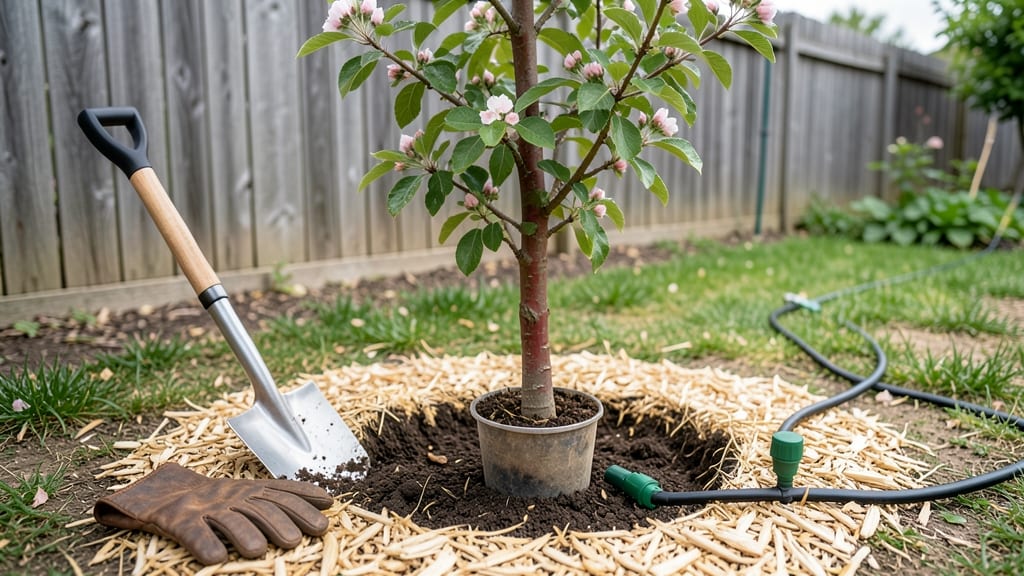
Planting an apple tree 🍎 in Oregon means timing is everything—get it wrong, and frost can turn your dream orchard into a sad pile of brown branches.
The perfect window depends on whether you're in the coastal fog, the Willamette Valley, or the high desert, where temperatures swing wildly between zones 7b-9a.
Most gardeners assume spring is the only option, but Oregon’s microclimates let you plant as early as February in warmer inland areas or wait until April near the coast. The key? Avoiding that last frost—typically around March 15—while giving roots time to establish before summer’s heat hits.
I’ve seen bare-root trees thrive when planted in late winter, while container-grown varieties can go in almost year-round (yes, even in mild Oregon winters). But here’s the catch: soil prep matters just as much as timing.
We’ll cover how to pick the right month for your zone—and what to do once you’re holding that shovel.
Ready to skip the guesswork? Let’s break down the exact planting windows for your corner of Oregon, plus the soil and spacing tricks that make all the difference between a struggling sapling and a fruit-bearing giant in just a few years.
Oregon’s 3 microclimates & their ideal apple tree planting windows
Oregon’s diverse geography creates three distinct microclimates—coastal, Willamette Valley, and high-desert—each with unique frost-free dates and ideal planting windows for apple trees. Understanding these zones ensures your apple tree thrives from day one.
The coastal region stays cooler and wetter, while the high desert experiences hotter summers and colder winters.
For bare-root apple trees, timing is critical to avoid frost damage. Plant them in late winter or early spring (February to April) when soil is workable but buds haven’t swollen.
Container-grown trees offer more flexibility, allowing planting year-round in Oregon’s mild winters, but still prioritize spring planting for best results.
Last frost dates vary dramatically across Oregon: coastal areas average March 15, the Willamette Valley around March 22, and high-desert zones can see frost as late as April 10. These dates determine your planting window and help avoid frost damage to young trees.
Here’s how each microclimate impacts your apple tree planting schedule, including ideal months for bare-root vs. container-grown trees:
Oregon Microclimates: Ideal Apple Tree Planting Windows
| Microclimate | Last Frost Date | Best Month for Bare-Root Trees | Best Month for Container-Grown Trees | Key Considerations |
|---|---|---|---|---|
| Coastal | March 15 | March | February–April | Cool, wet soil; prioritize drainage |
| Willamette Valley | March 22 | March–April | February–May | Moderate temps; watch for late frosts |
| High Desert | April 10 | April | March–May | Dry soil; mulch heavily to retain moisture |
The coastal microclimate offers the earliest planting window due to its mild winters, but soggy soil requires amending with compost to improve drainage. In the Willamette Valley, late frosts can linger, so wait until after March 22 to plant bare-root trees.
High-desert zones benefit from planting in April to avoid late frosts and give roots time to establish before summer heat arrives.
For container-grown apple trees, flexibility exists in all microclimates. Plant them anytime soil isn’t frozen, but prioritize spring for vigorous growth. Container trees also adapt better to urban gardens or small spaces, making them ideal for city dwellers in Portland or Salem.
Regardless of your microclimate, always test soil pH (ideal: 6.0–7.0) and amend with organic matter. Mulch heavily around the base to retain moisture and regulate soil temperature, especially in high-desert areas where evaporation is rapid.
Pro tip: Use frost cloth if planting early in high-desert zones. It provides a 5–10°F buffer, protecting young trees from unexpected late frosts. Monitor local weather forecasts closely in March and April for frost warnings.
Finally, choose apple varieties suited to your microclimate. Coastal areas thrive with Gala or Fuji, while high-desert zones do well with Honeycrisp or Granny Smith. Local nurseries can guide you on rootstock compatibility and disease resistance.
With these microclimate-specific guidelines, your apple tree will establish strong roots and produce bountiful fruit for years to come. Happy planting! 🌱🍎
How to choose the perfect planting month based on your Oregon Zone
Selecting the right month to plant your apple tree in Oregon depends on your USDA zone and whether you’re using bare-root or container-grown trees. Coastal areas like Astoria (Zone 8a) have milder winters, while high-desert regions like Bend (Zone 7b) face earlier frosts.
Timing ensures your tree establishes roots before summer heat or winter chill sets in.
For bare-root trees, aim to plant between late February and early April—before buds swell but after the ground thaws. Container-grown trees offer more flexibility, allowing planting from November through April, but avoid late fall to prevent root shock before winter dormancy.
Check your last frost date: Most of Oregon’s Willamette Valley (Zone 8b) sees frost by March 15, while eastern Oregon (Zone 7b) may experience frost until April 15. Planting 2–4 weeks after your local last frost date gives roots time to establish before summer stress.
Local nurseries often stock bare-root trees in winter (November–March), while container-grown varieties are available year-round. Call ahead to confirm stock—some varieties, like ‘Gala’ or ‘Fuji’, may sell out quickly in spring.
Pro tip: Dwarf varieties (like ‘Columnar’ or ‘Semi-Dwarf’) adapt better to urban Oregon gardens and can handle slightly later planting.
📌 Step-by-Step Planting Month Guide
- 1 Zone 7b–8a (Eastern OR/High Desert): Plant bare-root trees in March or container-grown trees by April 15 to avoid late frosts.
- 2 Zone 8b–9a (Willamette Valley): Ideal window is February–March for bare-root or November–April for containers.
- 3 Coastal Oregon (Zone 8a–9a): Plant anytime November–April, but avoid December–January to prevent waterlogged soil.
- 4 Urban Gardens (Portland/Salem): Choose dwarf varieties and plant in March–April for faster fruit production.
Verify your chill-hour requirements: Most apple varieties need 500–1,000 hours below 45°F annually. Oregon’s climate zones naturally provide this, but low-chill varieties like ‘Anna’ or ‘Dorsett Golden’ thrive in warmer microclimates (e.g., Hood River). Check your tree’s tag for specifics.
After planting, mulch with wood chips (3–4 inches) to retain moisture and regulate soil temperature. Water deeply once a week for the first month, then taper to every 2 weeks once established. Avoid overhead watering to prevent fungal diseases like apple scab, common in Oregon’s damp springs.
🌱