
Plants
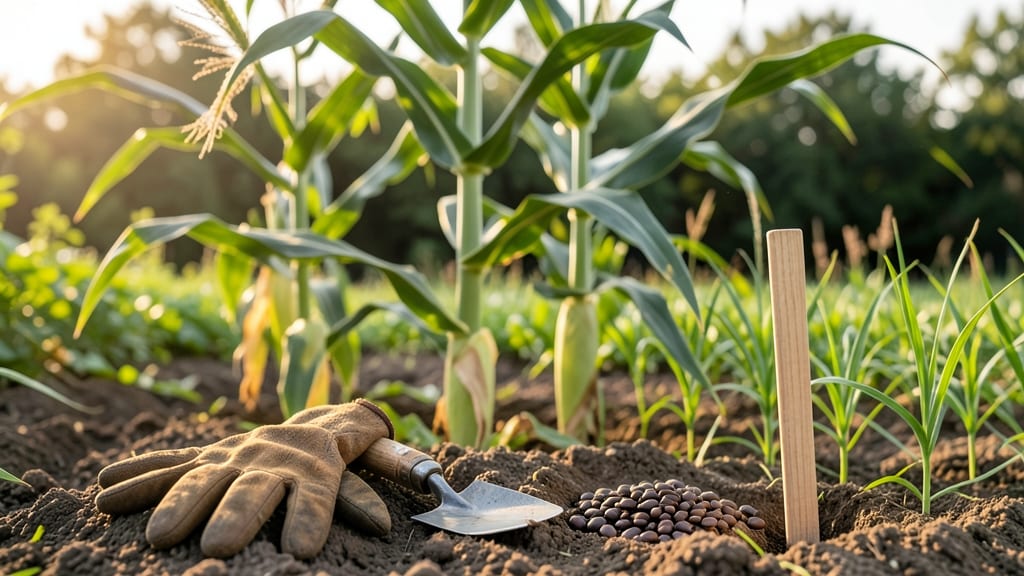
Timing your corn planting in Western Washington can feel like playing a high-stakes game of chance—get it wrong, and you might lose your entire crop to frost or slow growth.
The cool, wet springs and mild summers here demand precision, but with the right knowledge, you can maximize your yield of golden 🌽 ears.
Most gardeners in zones 8a-9a wait until late April or early May, when soil temperatures finally hit that critical 60°F mark.
But here’s the catch: coastal areas near Puget Sound often have 2-3 weeks later last-frost dates than inland valleys, meaning your neighbors’ planting schedule might not work for you.
In this guide, I’ll break down exactly when to plant—whether you’re in the rainy shadow of the Olympics or the warmer Cascades foothills—and which varieties thrive in just 165 frost-free days.
You’ll also discover how to stretch your harvest with succession planting, so you’re not left with a single bumper crop in July.
Ready to turn your garden into a cornucopia? Let’s dive into the science of planting corn without the guesswork, so you can enjoy fresh, homegrown ears from July through September.
Western Washington corn planting dates by microclimate: coastal vs inland frost-free zones
Western Washington’s diverse microclimates create a tricky puzzle for corn growers. The coastal Puget Sound region (Zone 8b-9a) enjoys milder winters, while inland valleys like the Yakima Valley (Zone 7b-8a) experience colder snaps. These differences mean your planting window could vary by 3-4 weeks depending on location.
For coastal gardeners, the last frost date typically falls around March 15, giving you an earlier start. Inland areas often see frost until April 15, delaying planting by several weeks. Understanding these zones helps you choose the right corn varieties and timing for success.
Here’s how the two regions compare for planting sweet corn, field corn, and popcorn:
Coastal gardeners have a 2-3 week head start thanks to warmer soils and milder nights. This earlier planting lets you grow earlier-maturing varieties like 'Peaches and Cream' (70 days to harvest), while inland growers should opt for longer-season varieties like 'Country Gentleman' (90 days) to avoid fall frost.
Even within these zones, elevation matters. Areas near the Cascades foothills (e.g., Snoqualmie Valley) may experience 10-14°F colder nights than Seattle, requiring a 2-week delay in planting. Always check your local frost dates from the NOAA Western Region Climate Center for precise timing.
If you’re in a transition zone (e.g., Everett or Wenatchee), consider using row covers to extend your season. These can add 2-4 weeks of frost protection, letting you plant earlier or harvest later. Just remove covers once tassels emerge to prevent heat stress.
For succession planting, coastal gardeners can squeeze in 2 harvests by planting a second batch in early June with fast varieties like 'Golden Bantam'. Inland growers should limit themselves to one main planting due to shorter frost-free seasons.
Remember: Soil temperature is more critical than air temperature. Use a soil thermometer to confirm your soil is 55°F+ for 7+ days before planting. Cold soil delays germination and invites damping-off disease, a common killer of young corn seedlings in Western Washington.
How to calculate your local corn planting window using soil temperature and frost probability
Timing your corn planting in Western Washington isn’t just about checking a calendar—it’s about reading your soil temperature and understanding microclimate frost risks. Corn seeds need consistent soil temps of 50°F+ for 7+ days to sprout reliably, but 60°F+ is ideal for faster germination.
Inland areas like Yakima Valley often hit these temps by late April, while coastal regions near Seattle may wait until early May.
Use a soil thermometer (available for $10–$20) to test your garden bed in the morning. Dig 2 inches deep—this is where corn roots first seek warmth.
If your soil fluctuates between 45°F and 55°F, wait a few more days. Cold soil slows germination, leading to uneven sprouts that attract pests like cutworms.
Next, factor in frost probability using NOAA’s Frost/Freeze Forecast (available via their website or local weather apps). Even if your soil is warm, a late-season frost in May can devastate young corn.
In Zone 8a (e.g., Wenatchee), the average last frost is May 1, but mountainous areas like the Cascades foothills can delay this by 2–3 weeks due to elevation.
For elevation adjustments, subtract 1–2 weeks from your inland planting date for every 1,000 feet gained. For example, if you’re planting in Snoqualmie Pass (Zone 6a), aim for mid-June instead of late April.
Conversely, coastal areas like Olympia (Zone 8b) can start as early as April 15 if soil temps are stable.
Pro tip: Plant test rows 1–2 weeks apart in early May to gauge your local conditions. This succession planting strategy ensures you’ll have harvest-ready corn by July, even if your first batch struggles. Keep a planting journal to track soil temps, frost dates, and variety performance year after year.
Remember, Western Washington’s maritime climate means your garden’s microclimate matters more than the USDA zone alone. A south-facing slope warms up faster than a north-facing valley, so choose your planting spot wisely.
With these tools, you’ll maximize your corn’s growing window and avoid the heartbreak of a frost-nipped crop.