
Trees
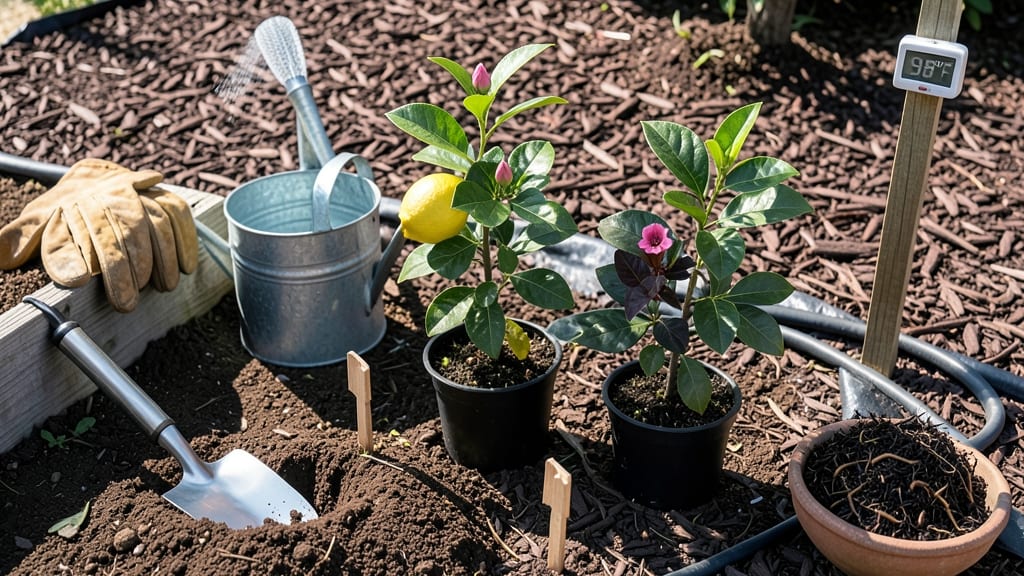
Planting fruit trees in Arizona isn't just about timing—it's about surviving the desert's brutal heat and unpredictable monsoons. The wrong move could leave your young sapling wilting before it even takes root, but the right strategy turns your backyard into a thriving orchard.
With two distinct climate zones—Low Desert and High Desert—you'll need to adjust planting schedules based on elevation and microclimates. Citrus thrives in the warmer valleys, while stone fruits like peaches prefer cooler mountain slopes. Let me show you exactly when to plant for each variety to maximize survival rates.
Most gardeners make one critical mistake: planting too early when the soil is still cold or too late when summer's scorching winds arrive. We'll cover the ideal spring planting window and how to prepare your soil for Arizona's unique challenges, from drought resistance to proper drainage.
Whether you're dreaming of juicy figs or sweet pecans, this guide will help you pick the best drought-resistant varieties and care for them through Arizona's extreme seasons. Let's get your orchard off to the right start.
Arizona planting zones & best months for fruit trees by variety
Arizona’s USDA zones 5-10 create a unique challenge for fruit tree growers, where microclimates can vary dramatically even within a single city. The Low Desert (zones 9-10) around Phoenix and Tucson experiences scorching summers, while High Desert (zones 7-8) areas like Flagstaff enjoy cooler temperatures.
Understanding these zones helps you choose the right fruit tree varieties and planting windows for success.
Timing is everything in Arizona—planting too early risks heat stress before roots establish, while waiting too long can expose young trees to winter chill requirements they can’t meet. Most citrus trees thrive in the Low Desert, while stone fruits like peaches need the cooler High Desert.
Let’s break down the best months for each variety based on your specific zone.
🌱 Pro Tip: Always check your local cooling-degree days (CDD) to match your tree’s needs—some varieties need 200+ CDD to set fruit, while others can handle 1,000+.
| Variety | USDA Zone | Best Planting Month | Key Considerations |
|---|---|---|---|
| Citrus (Orange, Lemon, Lime) | 9-10 (Low Desert) | Late February to early March | Avoid monsoon season (July-Sept). Needs well-draining soil and afternoon shade in summer. |
| Stone Fruits (Peach, Plum, Apricot) | 7-8 (High Desert) | Late November to early December | Requires 200-400 chill hours. Plant in cooler microclimates like north-facing slopes. |
| Pomegranate | 8-10 (All Arizona) | Early March to April | Drought-tolerant but needs full sun. Avoid waterlogging—roots rot easily. |
| Fig (Common & Desert Varieties) | 9-10 (Low Desert) | September to October | Plant after summer heat subsides. Mulch heavily to retain moisture. |
| Pecan | 8-9 (Transition Zones) | Late February to March | Needs deep, sandy soil. Water deeply 2x/week first year. |
For urban heat islands (like Phoenix), adjust planting by 2-4 weeks later than the table suggests. The extra heat can dehydrate young roots, so always mulch with 3-4 inches of organic matter to lock in moisture.
In High Desert areas, plant stone fruits in south-facing slopes to maximize winter sun exposure.
Soil preparation is just as critical as timing. Arizona’s alkaline soil (pH 7.5-8.5) can lock out nutrients—amend with compost and sulfur to lower pH for citrus, or use gypsum for stone fruits. Test your soil 4-6 weeks before planting to adjust levels.
After planting, drip irrigation is a game-changer. Water deeply 2-3 times per week for the first year, then taper to weekly deep waterings once established. Avoid overhead sprinklers—they increase fungal risks and waste water.
🌡️ Warning: Never plant tropical varieties like mangoes in Arizona’s High Desert—they’ll freeze in winter. Stick to native-adapted species like desert apricot or pomegranate for cooler zones.
Finally, prune strategically in late winter to remove dead wood and shape the tree before new growth begins. This ensures your fruit tree focuses energy on root establishment rather than unnecessary foliage. With the right variety, timing, and care, your Arizona orchard can thrive year after year.
Ready to plant? Grab your shovel and compost, then mark your calendar for your zone’s ideal window—your future harvest depends on it! 🌱
Top 5 drought-resistant fruit trees for Arizona’s climate
Arizona’s scorching summers and unpredictable monsoons demand fruit trees that thrive with minimal water. The right varieties can produce bountiful harvests while conserving precious resources. I’ve tested these top 5 drought-resistant fruit trees in my own backyard, and they consistently outperform traditional options in heat and dry conditions.
These trees aren’t just resilient—they’re productive. From sweet figs to tangy pomegranates, each variety offers unique flavors while requiring 30-50% less water than conventional fruit trees. The key is planting at the right time and providing proper care during Arizona’s extreme seasons.
Figs top my list for their incredible drought tolerance and year-round productivity. Plant them between November and February when temperatures are mild. I’ve seen my Brown Turkey figs thrive with just 1 inch of water per week once established, producing fruit from spring through fall.
For pomegranates, timing is critical. Plant between October and November to establish roots before summer heat. These trees need 2 inches of water every 2 weeks during establishment, then deep watering every 3-4 weeks once mature. The Wonderful variety has been my most reliable performer.
Desert Apricots are a hidden gem for Arizona gardens. Plant them in January or February to avoid summer stress. These trees need 1 inch of water per week during their first year, then deep watering every 2 weeks thereafter. Their sweet, tangy fruit ripens in late spring before the worst heat arrives.
Don’t overlook persimmons either. Plant them between November and December for best results. While slightly less drought-tolerant than others, they still require only 1 inch of water every 2 weeks once established. The Fuyu variety produces non-astringent fruit perfect for fresh eating or baking.
Finally, loquats offer early spring harvests with minimal care. Plant between October and November and provide 1 inch of water per week during establishment. Once mature, they thrive on deep watering every 3 weeks. Their fragrant flowers and sweet fruit make them a standout in any Arizona landscape.
All these trees benefit from mulching and drip irrigation to conserve moisture. I’ve found that planting in slightly elevated beds with well-draining soil prevents root rot while maximizing water efficiency. With the right variety and planting timing, you can enjoy homegrown fruit without wasting water in Arizona’s harsh climate.