
Trees
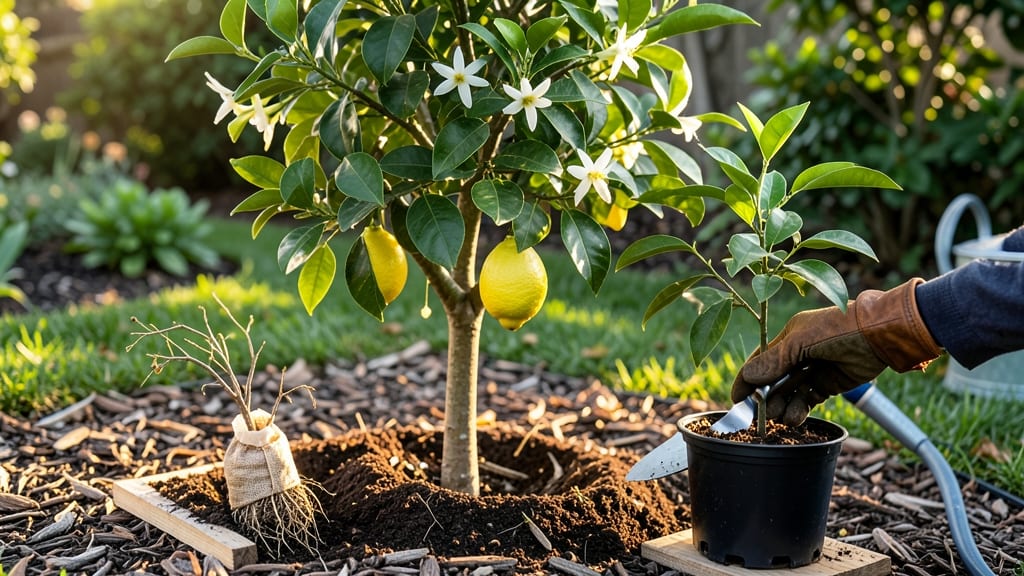
Planting a citrus tree in Phoenix isn’t just about grabbing a 🍊 from the nursery—it’s about outsmarting the desert’s extreme heat and timing your move for success. The wrong season could mean struggling roots and stunted growth, while the right window sets your tree up for years of luscious fruit.
Here’s the secret: Phoenix’s November to March window is your golden opportunity. Why? Those cooler months let young roots establish before summer’s brutal sun hits, while avoiding the monsoon’s heavy rains that can drown tender citrus. Even established trees benefit from this timing, though they’re tougher.
But it’s not just about months—it’s about microclimates. A tree in a shady backyard might thrive in April, while one in the full desert sun needs that November start. We’ll break down how to read your yard’s signals and prep soil that won’t bake your tree’s roots.
Ready to skip the guesswork? I’ll walk you through exactly when to plant—whether you’re starting with a sapling or transplanting a mature tree—and how to adjust watering and care for Phoenix’s 9b climate. Let’s get that citrus growing strong.
Best planting months for citrus trees in Phoenix’s desert climate
Phoenix’s frost-free winters and intense summer heat create a unique window for planting citrus trees. Unlike northern climates, you don’t have to worry about frost damage, but the triple-digit temperatures of summer make planting during those months risky.
The ideal planting window spans from late fall to early spring, when temperatures are mild and rainfall is more consistent.
Citrus trees establish roots best when soil temperatures stay between 60°F and 75°F. In Phoenix, this translates to November through March, avoiding the scorching June-August period. Planting in these cooler months gives young trees time to acclimate before summer’s heat arrives, reducing stress and improving survival rates.
Here’s why summer planting is a no-go: The extreme heat causes transplant shock, and roots struggle to establish in dry, compacted soil. Even mature citrus trees need extra water during summer—newly planted ones would require constant attention, which isn’t sustainable for most gardeners.
Phoenix’s microclimates also play a role. Higher elevations (like North Phoenix) stay slightly cooler, while low desert areas (like South Phoenix) can be 5-10°F hotter. Adjust your planting timeline by 1-2 weeks if you’re in a hotter microclimate, opting for earlier fall or later spring planting.
🌱
| Month | Soil Temp (°F) | Planting Suitability | Key Considerations |
|---|---|---|---|
| November | 65-72°F | ✅ Ideal | Cool temps, monsoon season ends; perfect for root establishment. |
| December | 58-68°F | ✅ Ideal | Mild days, occasional rain; low stress for young trees. |
| January | 60-70°F | ✅ Ideal | Warmest winter month; minimal frost risk in Phoenix. |
| February | 65-75°F | ✅ Ideal | Approaching spring; prepare for increased water needs. |
| March | 70-80°F | ⚠️ Caution | Heat intensifies; plant early in month for best results. |
| April | 80-90°F | ❌ Avoid | Extreme heat; high risk of transplant shock. |
| May-October | 95°F+ | ❌ Avoid | Triple-digit temps; roots cannot establish properly. |
If you miss the ideal November-March window, you can still plant in late October or early April, but be prepared for extra care. For example, shade cloth during the first 2-3 months can protect young trees from midday sun if planted in April.
Mulching heavily (3-4 inches) also helps retain moisture and regulate soil temperature.
For container-grown citrus trees, the rules are slightly different. Potted trees can handle summer planting better because you control watering and shade. However, they’ll still need daily watering and afternoon shade during the hottest months.
If you’re growing citrus in containers, late spring (May) is the latest acceptable time to plant.
One common mistake is planting too late in spring. By May or June, Phoenix’s heat can overwhelm young roots, even with extra water.
I’ve seen citrus trees planted in June survive, but they often stay stunted for their first 2-3 years compared to trees planted in cooler months.
🌿
Pro tip: If you’re planting bare-root citrus trees (common in nurseries), do it as soon as you bring them home. Bare roots dry out quickly, even in Phoenix’s low humidity. Soak the roots
How to prepare Phoenix soil and site for citrus tree planting
Phoenix’s alkaline soil and intense heat demand special prep before planting citrus. The key is creating a well-draining, nutrient-rich environment that mimics the tree’s native Mediterranean conditions. Start by testing your soil’s pH level—citrus thrives between 6.0 and 7.0, but Phoenix’s natural pH often skews higher.
If your soil tests above 7.5, amend it with elemental sulfur or peat moss to lower pH gradually. Mix in 3-4 inches of compost or aged manure to boost organic matter, which helps retain moisture while preventing compaction.
For sandy desert soil, add 20% coconut coir to improve water retention without suffocating roots.
Next, focus on drainage. Citrus trees hate soggy roots, so avoid low spots where water pools. If your yard has heavy clay, consider planting in a raised bed or mounding native soil. Add a 2-inch layer of gravel beneath the root ball to create airflow and prevent waterlogging.
⚠️ Critical Timing Warning: Avoid Planting During Monsoon Season
Phoenix’s July-September monsoons bring heavy, unpredictable rains that can drown citrus roots. Even if you’ve prepped soil perfectly, planting during this window risks root rot and poor establishment. Wait until October at the earliest—or better yet, stick to November-March for ideal conditions.
For sun exposure, choose the sunniest spot possible—citrus needs 6+ hours of direct sunlight daily. In Phoenix, this often means the south or west side of your yard. If your tree will be near a wall or fence, ensure it’s at least 6 feet away to prevent heat buildup.
Young trees can handle light afternoon shade during summer, but mature trees need full sun for optimal fruit production.
Watering strategy is just as critical as soil prep. Before planting, deep-water the hole with 10 gallons of water to help roots establish. After planting, water every 3-5 days for the first month, then adjust based on heat.
Use a drip irrigation system to deliver water slowly at the root zone—this prevents evaporation and fungal issues. Mulch with 2-3 inches of wood chips to lock in moisture and regulate soil temperature.
Finally, protect your young tree from windburn by planting near a windbreak like a fence or shrubs. Phoenix’s dry winds can scorch leaves, especially in summer. If you’re planting a container-grown citrus tree, ensure the pot has drainage holes and use a lightweight potting mix with perlite.
Move containers to a shaded area during 100°F+ days to reduce stress.
With these steps, your citrus tree will have the perfect foundation to thrive in Phoenix’s challenging climate—producing fruit for years to come. 🌱🍊