
Plants
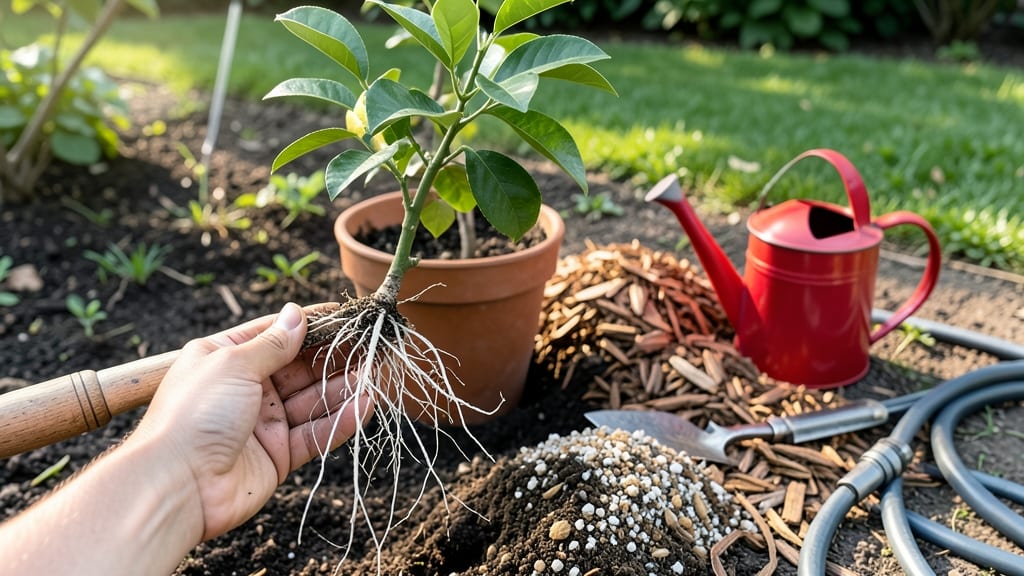
Planting your citrus tree at the wrong time in Arizona could mean waiting years for that first sweet-smelling 🍊 harvest—or worse, losing your sapling to unexpected frost.
The key to success lies in those cool winter months when the ground is warm but the air stays mild, giving young roots the perfect chance to establish before summer’s scorching heat arrives.
If you’ve ever wondered why some local nurseries push citrus planting in November through March, it’s not just random timing—it’s about avoiding the brutal desert summers and the rare but damaging cold snaps that can sneak in.
Whether you’re in Phoenix’s low desert or Flagstaff’s high country, understanding these seasonal rhythms is the difference between a thriving tree and a struggling one.
In this guide, I’ll break down exactly when to plant your citrus—whether you’re dropping a bare-root sapling into the ground or tucking a container-grown tree into a sunny spot.
You’ll learn how to prep your soil, choose the right microclimate for your variety, and even troubleshoot common mistakes that derail Arizona gardeners every year.
Ready to grow citrus that’s not just surviving but flourishing? Let’s get those roots in the ground at the perfect moment—before the heat (or frost) ruins your chances.
Best months to plant citrus trees in Arizona’s climate zones
Arizona’s climate is a citrus grower’s dream—if you plant at the right time. The low desert (Zone 9b-10a), like Phoenix and Tucson, offers a longer frost-free window, while the high desert (Zone 8a-9a), like Flagstaff and Prescott, faces earlier cold snaps.
Both regions demand precise timing to avoid heat stress or frost damage. For best results, aim to plant when soil temperatures stay above 60°F (15°C) but before summer’s relentless sun peaks.
Citrus trees thrive when planted during cool-season months, giving roots time to establish before Arizona’s brutal summer heat arrives. Bare-root trees need extra care—their roots dry out quickly in our arid climate—so planting them in November or December gives them a head start.
Container-grown trees, on the other hand, handle transplanting better year-round but still benefit from cooler weather to reduce stress.
Here’s the breakdown you need to know, tailored to Arizona’s two distinct citrus-growing regions:
In the low desert, where winters are mild, you’ve got flexibility to plant from November through March. This window ensures your citrus tree avoids both the summer heatwave and the rare cold snaps that can dip below 30°F (-1°C).
For example, a Meyer lemon planted in December will have time to establish roots before the scorching June temperatures arrive.
Up in the high desert, frost is a real threat, so planting must happen earlier. Aim for October through February to avoid the late-winter cold snaps that can kill young trees.
A Valencia orange planted in November will have a better chance of surviving the winter chill, especially if you protect it with a windbreak or frost cloth.
Soil temperature is your best guide. Use a soil thermometer to confirm it’s above 60°F (15°C) before planting. In the low desert, this usually aligns with November, while high desert gardeners should wait until October when soil warms enough.
Cold soil slows root growth, leaving your tree vulnerable to stress.
Bare-root trees need special attention. Soak their roots for 4+ hours before planting to rehydrate them, then plant immediately. Container-grown trees are more forgiving—you can plant them almost any time, but cooler months still reduce transplant shock.
If you’re in the low desert, early spring (March) is a secondary window, but be prepared for intense sun exposure.
Protecting young trees from winter winds and summer heat is critical. In the high desert, a windbreak fence can shield your citrus from drying winds, while low desert gardeners should avoid planting near reflective surfaces like concrete that amplify heat.
Mulch heavily around the base to retain moisture and regulate soil temperature.
Don’t miss the monsoon season (July–September). While it’s too late to plant new trees, this period helps established citrus trees recover from summer stress. If you’re planting in April, be prepared for intense heat—water deeply every 5–7 days and provide afternoon shade until roots establish.
Critical factors that determine your planting timeline
Arizona’s microclimates and citrus varieties play a huge role in when you should plant. The low desert (Phoenix, Tucson) and high desert (Flagstaff, Prescott) have wildly different frost risks, soil temperatures, and even monsoon impacts.
For example, a Meyer lemon in Phoenix thrives planted in November or December, while a Valencia orange in Flagstaff might wait until March to avoid late-spring frosts.
Soil temperature is another game-changer. Citrus roots need the ground to stay above 60°F (15°C) for at least a week before planting. In Arizona, this usually aligns with late October through March, but high desert areas may need to push planting to April.
Use a soil thermometer to check—it’s your best friend for timing!
The monsoon season (July-September) also affects planting. While it’s not ideal to plant during heavy rains, the post-monsoon soil moisture can actually help establish new trees if you plant in October.
Just avoid waterlogged spots—citrus hates soggy roots! I’ve seen gardeners in Sedona plant in October with great success by choosing well-draining slopes.
Don’t overlook container-grown vs. bare-root trees. Container-grown citrus can handle planting year-round in the low desert, but bare-root trees need that cool winter window to minimize transplant shock. If you’re buying bare-root, aim for November through February—this is when nurseries offer the best selection.
Here’s a pro tip: Check the University of Arizona Extension’s frost maps for your area. Some years, a January frost can sneak into the low desert, and planting too early might put your tree at risk.
I once lost a young calamondin orange because I planted it in October without checking the forecast—don’t make my mistake!
Finally, consider your irrigation setup. Citrus needs consistent moisture after planting, but Arizona’s summer heat can dry out soil fast. If you’re planting in March, have a drip irrigation system ready to go. Without it, your tree could struggle before the roots establish.
Ready to dig in? The next section covers the biggest mistakes Arizona gardeners make when planting citrus—and how to avoid them. Trust me, skipping these can turn your dream tree into a sad sapling in no time!
- 🌡️ Soil Temperature: Wait until ground stays above 60°F (15°C) for 1+ week
- 🌵 Microclimate: Low desert (Zone 9b-10a) vs. high desert (Zone 8a-9a) timing differs by 2+ months
- 🌧️ Monsoon Impact: Plant in October to leverage post-rain moisture (avoid waterlogged soil)
- 🍊 Variety Matters: Meyer lemons tolerate cooler temps; Valencias need warmer zones
- 📅 Container vs. Bare-Root: Containers can plant year-round; bare-root needs winter dormancy
- ⚠️ Frost Risk: Check UA Extension maps—January frosts can hit low desert unexpectedly
- 💧 Irrigation Ready: Have drip system installed before planting in March