
Flowers
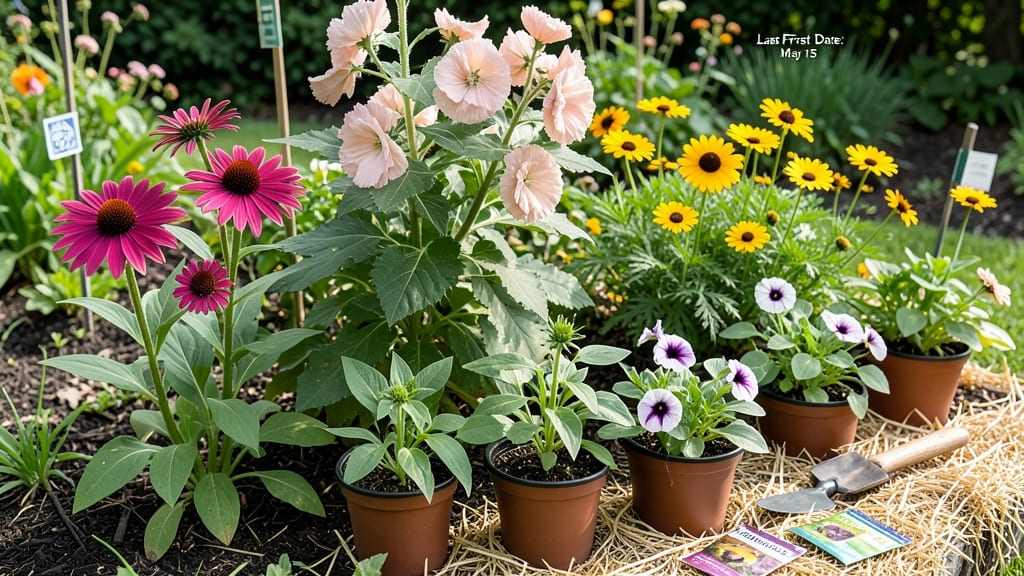
Planting your 🌸 flowers in Vermont at the wrong time can mean the difference between a vibrant garden and a sad, frost-killed disappointment.
Unlike warmer climates, Vermont’s USDA zones 4b-6a demand precision—timing isn’t just about the calendar, but about knowing when the last frost actually passes in your specific corner of the Green Mountain State.
Whether you’re dreaming of June cut flowers or late-summer blooms, getting the timing right means accounting for microclimates—like the colder valleys or warmer lake shores—that can shift frost dates by weeks. I’ve tested the best windows for annuals, perennials, and bulbs, so you don’t have to guess.
In this guide, I’ll break down the exact months to plant for zero-frost success, plus pro tips to avoid Vermont’s most common mistakes—like planting too early and risking a late freeze. Let’s get those flowers thriving without the stress.
You’ll learn when to start seeds indoors, how to prep soil for Vermont’s rocky terrain, and which flowers hold up best when Mother Nature throws a curveball. Ready to turn your garden into a showstopper?
Vermont’s last frost dates by microclimate: when to plant flowers safely
Vermont’s last frost dates can vary by 1-2 weeks depending on whether you’re in a lake-effect zone or a cold valley. For example, Burlington’s Chittenden County typically sees its last frost around May 10-15, while the Windham County hills might hold frost until May 25.
These differences mean the wrong timing can turn your annuals into ice cubes or stunt perennial growth.
Microclimates matter more than hardiness zones alone. A south-facing slope near Lake Champlain warms up faster than a north-facing valley in Rutland. Even within USDA Zone 4, your last frost date could shift by 10 days.
Use these regional guidelines as a starting point, then adjust based on your specific yard elevation and exposure.
Here’s a microclimate breakdown of Vermont’s last frost dates by region, including cold pockets (valleys) and warmer zones (lake shores). I’ve also included planting windows for early bloomers (like tulips) vs. late-season varieties (like zinnias).
📌 PRO TIP: If you’re unsure, wait until May 20—the safe bet for most of Vermont—to plant tender annuals. For perennials, you can start 2-3 weeks earlier since they’re more resilient.
For USDA Zone 3 areas (like the Northeast Kingdom), delay planting tender annuals until May 25 or use row covers to protect early seedlings.
In Zone 4 regions (most of Vermont), you can start hardy perennials like columbine or peony as early as April 15, but wait until May 1 for annuals like petunias.
If you’re planting bul
Best flowers to plant in Vermont by season: cold-hardy vs. tender varieties
Vermont’s short growing season means choosing the right flowers for each season can make or break your garden. Cold-hardy annuals like pansies and snapdragons thrive in spring’s chill, while heat-loving perennials like black-eyed Susans shine in summer.
The key is matching your planting timeline with each flower’s tolerance for Vermont’s late frosts and early freezes.
For spring planting, focus on frost-resistant flowers that bloom early, such as columbine and lungwort. These beauties handle USDA Zone 4 temperatures and even light frosts after planting.
In contrast, tender annuals like marigolds or zinnias need to wait until after the last frost date, usually mid-May, to avoid damage.
Here’s how to balance your garden for year-round color without sacrificing resilience:
🌸 Spring Flowers (Plant in April-May)
Pros:
- Survive late frosts
- Brighten early spring gardens
- Low-maintenance perennials
Cons:
- Some bolt quickly in heat
- Limited color variety post-June
Best Picks:
- Pansies (🌡️ 28°F tolerance)
- Sweet Alyssum (🌱 self-seeds easily)
- Bleeding Heart (💧 thrives in shade)
Avoid:
- Tender bulbs (e.g., dahlias)
- Heat-sensitive annuals (e.g., impatiens)
☀️ Summer Flowers (Plant in May-June)
Pros:
- Long bloom times
- Pollinator-friendly
- Bold colors for peak season
Cons:
- Need consistent water
- Some fade in fall
Best Picks:
- Black-Eyed Susan (🌻 drought-tolerant)
- Coneflower (🐝 attracts bees)
- Daylilies (🌿 perennial workhorses)
Avoid:
- Tropicals (e.g., hibiscus)
- Short-season annuals (e.g., sweet peas)
🍂 Fall Flowers (Plant in August-September)
Pros:
- Extend season with color
- Cold-hardy varieties
- Low competition for nutrients
Cons:
- Limited selection
- Need early planting for roots
Best Picks:
- Asters (🌙 late-season blooms)
- Chrysanthemums (🎨 variety of colors)
- Russian Sage (🌬️ drought-resistant)
Avoid:
- Tender perennials (e.g., lavender)
- Slow starters (e.g., peonies)
Extend your growing season with row covers or cold frames to protect tender annuals like marigolds or cosmos until mid-June. For perennials, focus on native species like bee balm or goldenrod, which naturally adapt to Vermont’s short summers and cool nights.
Pro tip: Plant bulbs like daffodils or tulips in fall (September-October)—they’ll reward you with early spring blooms before most annuals even sprout. This two-season strategy ensures your garden stays vibrant from April through October.
Remember, Vermont’s microclimates matter! Lake Champlain areas stay warmer longer, while mountain valleys freeze earlier. Adjust your planting dates by 1-2 weeks based on your specific zone within the state.