
Planting
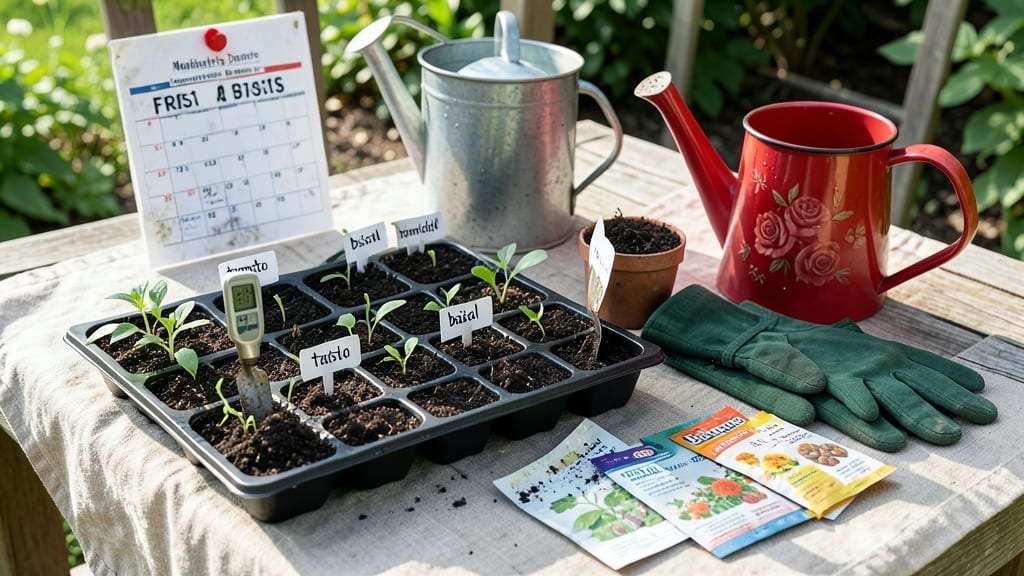
Planting your garden in Maryland at the wrong time can mean the difference between a thriving harvest and wasted seeds—especially with USDA zones 7a-7b throwing curveballs like unpredictable frost dates.
Whether you're growing 🌱 General Garden Vegetables & Herbs or heat-loving tomatoes, timing is everything, and local microclimates (coastal vs. Piedmont) add another layer of complexity.
Most gardeners assume "spring planting" means March, but Maryland’s average last frost date hovers around March 15, and coastal areas can run weeks later.
That’s why I’ve broken down the exact windows for cool-season crops (like spinach) versus warm-season stars (like peppers), so you never rush the season—or miss it entirely.
What if you could extend your growing season by 30 days with simple tricks? I’ll show you how to use row covers, cold frames, and NOAA frost alerts to push your planting deadlines safely, whether you’re in Baltimore’s urban heat islands or the cooler Appalachian foothills.
Ready to stop guessing and start growing? Let’s dive into the region-specific planting calendar that’ll turn your Maryland garden from "maybe" to "abundant"—without the frost-related heartbreak.
Maryland’s planting zones & frost dates: a microclimate breakdown by region
Maryland’s USDA planting zones range from 6b in the mountains to 7b along the coast, but that’s just the start. The real magic happens in the microclimates—where your garden’s success hinges on knowing exact frost dates and heat patterns.
For example, Eastern Shore gardens can start tomatoes 2 weeks earlier than Allegany Highlands, yet both face wildly different first-frost risks in fall.
Understanding these five distinct regions saves you from frost-killed seedlings or bolting herbs. I’ve broken down the 2023-2024 average frost dates so you can plant with confidence—whether you’re in humid Baltimore or the cooler Piedmont hills.
Pro tip: Check NOAA’s Maryland frost alerts in spring/fall, as these dates shift yearly by 5-10 days.
Why microclimates matter: A 10-mile elevation change in Western Maryland can delay your last frost by 2 weeks, while urban heat islands in Baltimore push warm-season crops to mature faster. Below, I’ve mapped planting deadlines by region, including USDA zone overlaps and historical frost data to help you time everything perfectly.
| Region | USDA Zone | Avg. Last Frost | Avg. First Frost | Frost-Free Days | Key Planting Notes |
|---|---|---|---|---|---|
| Eastern Shore | 7b | March 20 | November 5 | 220+ | Humid; plant warm crops early (tomatoes by April 1). |
| Baltimore-Washington | 7a-7b | March 25 | October 30 | 210-220 | Urban heat; extend fall planting to October 15. |
| Piedmont (Frederick) | 6b-7a | April 5 | October 15 | 190-200 | Cooler nights; wait until May 1 for tomatoes. |
| Western MD (Hagerstown) | 6b | April 10 | October 5 | 175-185 | Short season; prioritize fast-maturing varieties (e.g., 'Early Girl' tomatoes). |
| Allegany Highlands | 6a-6b | April 15 | September 25 | 160-170 | Coldest; use row covers for early crops. |
Let’s dive into how these frost dates shape your planting schedule. In Eastern Shore (Zone 7b), you can direct-sow peppers and eggplants by April 15, while Allegany Highlands (Zone 6b) gardeners should wait until May 10 to avoid late-spring frosts.
The Baltimore-Washington metro area benefits from an extra 2 weeks of growing season due to urban heat, letting you squeeze in <
Optimal planting windows for Maryland’s top 10 vegetables (by season)
Maryland’s USDA zones 7a-7b create a delicate balance between cool-season and warm-season crops, where timing can make or break your harvest. For example, planting tomatoes too early risks frost damage, while spinach sown too late bolts before you can enjoy it.
I’ve narrowed down the exact windows for Maryland’s most popular vegetables, accounting for seed-starting indoors, transplanting outdoors, and microclimate adjustments.
Here’s the golden rule: Cool-season crops (like broccoli and peas) thrive when soil temps hit 40°F, while warm-season plants (tomatoes, peppers) need 60°F+ soil to germinate. Maryland’s average last frost date is March 15, but coastal areas can delay by 2-3 weeks.
Use these deadlines to align your planting with your region’s last frost date.
Pro tip: Use row covers to extend your cool-season planting by 2-3 weeks in spring or fall. For warm-season crops, wait until nighttime temps stay above 55°F—this is your cue to transplant tomatoes and peppers without risking blossom-end rot.
If you’re in Western Maryland (cooler microclimate), push your warm-season planting to mid-May, while coastal gardeners can start as early as late April. Always check NOAA frost forecasts in early spring to fine-tune your schedule—last year’s April frost in Baltimore caught many off guard!
For herbs, timing is equally critical. Basil hates cold soil, so wait until May 15 minimum, while parsley and cilantro can handle cooler temps and even light frost. Plant dill in late spring or early fall to avoid bolting too quickly.