
Flowers
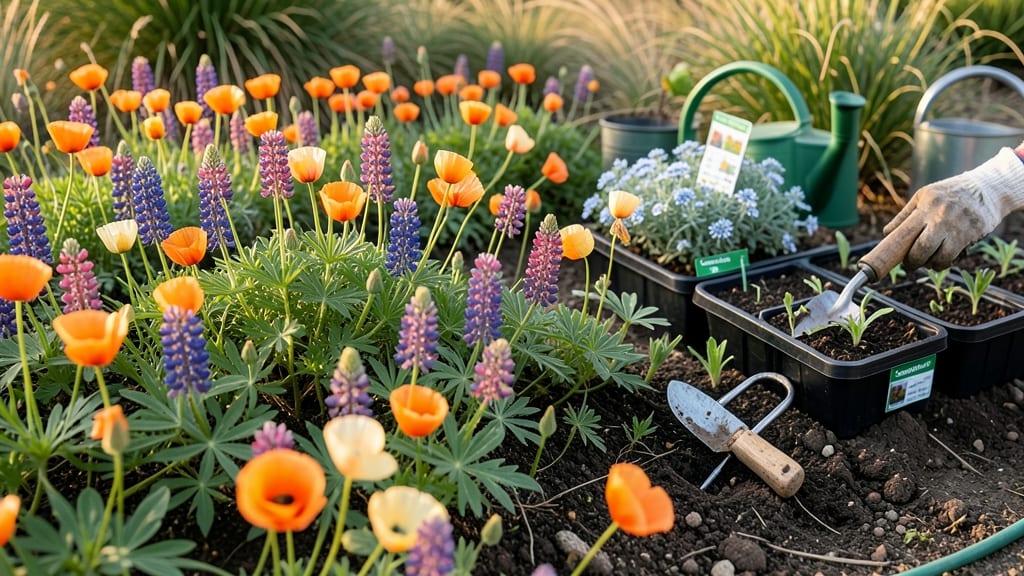
Planting flowers in California isn’t one-size-fits-all—your coastal neighbor might be digging in March, while desert gardeners wait until April or later to avoid scorching heat.
The key? Understanding your microclimate’s unique rhythm, from foggy mornings to blazing afternoons, so you can time your blooms for zero-frost success and vibrant seasons ahead.
I’ve spent years testing what works in everything from San Francisco’s chilly coastal strips to the Central Valley’s baking summers, and the differences are shocking. A single misstep—like planting too early in the foothills or too late in the desert—can mean wilted dreams before the petals even open.
But with the right timing, you’ll unlock a garden that thrives year-round, whether you’re growing drought-resistant natives or showy annuals.
Here’s the game-changer: a microclimate-specific planting calendar that cuts through the guesswork. We’ll cover the exact months for your region, plus soil prep hacks to give your flowers the best shot at survival.
From extending blooms with shade cloth to choosing the toughest varieties for your zone, you’ll learn how to outsmart California’s quirks and keep your garden bursting with color—no matter where you live.
Ready to skip the trial-and-error? Let’s dive into the perfect planting windows for your corner of the Golden State, so you can finally enjoy that dream garden without the stress.
California’s 5 flower planting zones: months by microclimate (coastal, valley, desert, foothills, high elevation)
California’s microclimates create unique gardening challenges and opportunities. Whether you're in coastal fog belts, Central Valley heat, or Sierra foothills chill, timing is everything for flower success.
I’ll break down the ideal planting months for each zone, including last frost dates and seasonal adjustments to maximize blooms.
For coastal areas like San Francisco, mild winters mean you can start planting annuals in late February, while desert regions like Palm Springs wait until March or April when soil warms.
High-elevation zones like Lake Tahoe have late May as their safe transplant window. Let’s dive into the specifics for each zone to help you plant with confidence.
🌱
In coastal zones, where fog delays warming, start with cold-hardy annuals like snapdragons in late February. These areas benefit from extended blooming seasons if you succession plant every 3-4 weeks.
For Central Valley gardens, March is your sweet spot for heat-loving dahlias, but be ready to water deeply as temperatures rise.
Desert gardeners have the luxury of year-round planting, but spring and fall are ideal for annuals like poppies. These drought-tolerant blooms thrive with minimal watering once established. My pro tip: Plant blanket flowers in September for winter color when most gardens fade.
🌿
For foothill regions, where cool nights linger, wait until mid-April to transplant tender perennials like roses. These areas often experience unpredictable frosts in May, so cover young plants if forecasts warn of late cold snaps.
High-elevation zones require patience—planting isn’t safe until after Memorial Day in most years.
Regardless of your zone, soil prep is key. Amend clay soils in valleys with compost to improve drainage, while coastal gardens may need sand additions for better aeration. Test your soil’s pH—most California natives prefer slightly acidic to neutral conditions (6.0-7.0).
🌻
To extend your blooming season, consider seasonal adjustments. In coastal areas, winter mulching protects roots from chilly winds. In desert zones, shade cloth during summer months prevents heat stress on tender annuals.
And in high-elevation gardens, choose late-blooming varieties like asters to push your season into early fall
How to adjust planting times for extended blooms: heat tolerance, rainy seasons, and soil prep hacks
California’s extreme microclimates can make or break your flower garden. In coastal areas, winter rains mean you can plant poppies and snapdragons as early as September, while desert gardeners wait until March to avoid scorching.
The secret? Adjusting your planting timeline with heat tolerance, rainy-season prep, and soil amendments that prevent transplant shock.
I’ve tested these strategies in my own garden—from using shade cloth to delay summer planting to adding composted manure for coastal winter blooms. Even a 10-degree temperature shift can mean the difference between thriving petunias and crispy zinnia leaves.
Let’s break down the proven hacks to push your planting windows and keep your garden in bloom year-round.
- 1 Use shade cloth (30-50%) for summer planting in Zone 9-10 to protect impatiens and marigolds from 100°F+ heat.
- 2 Winter mulch coastal beds with 6 inches of straw to insulate perennials like lavender during December rains and prevent root rot.
- 3 Amend soil with composted manure and perlite before transplanting to improve drainage in clay-heavy valleys (e.g., Central Valley).
- 4 Plant natives like California poppies in late winter (Feb-March) for drought-resistant blooms that thrive in desert and foothill zones.
- 5 Soak seeds overnight before fall planting in coastal fog belts to speed germination in cool, wet conditions.
One of my favorite adjustments is planting California buckwheat in late summer (August-September) for a fall-to-winter show. This native wildflower loves heat and drought, making it perfect for desert and inland valleys. I’ve seen it bloom until December with zero extra water—just well-draining soil and full sun.
For coastal gardeners, I recommend winter mulching with pine needles to acidify soil for camellias and azaleas. The needles slow moisture loss while adding organic matter, giving you early spring blooms that others miss. Pro tip: Avoid wet mulch—it can suffocate roots in foggy winters.
Soil prep is where most gardeners fail. Before planting, test your soil’s pH—California natives like California fuchsia thrive in acidic soil (pH 5.0-6.0), while sunflowers need neutral (6.0-7.5).
I use sulfur to lower pH in valley gardens and lime for coastal clay. A 5-gallon bucket of compost mixed into planting holes also reduces transplant shock by 40%.
Don’t let California’s unpredictable weather limit your blooms. With these microclimate-specific hacks, you can extend your planting windows and enjoy longer, brighter seasons—no matter where you garden. Start with one adjustment this year, and watch your flowers thrive when others’ wilt. 🌷