
Flowers
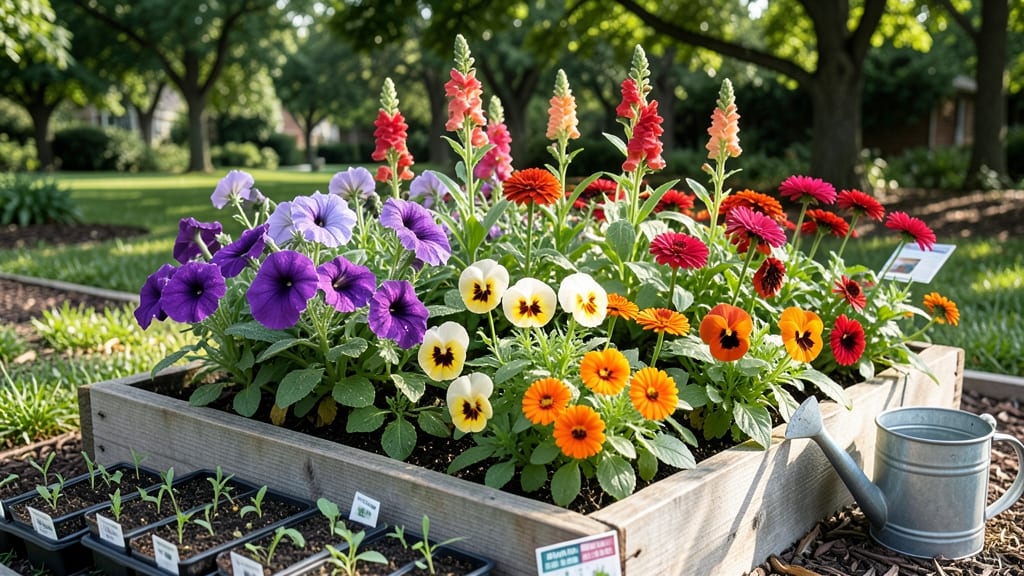
Timing your flowers planting in Portland, Oregon can feel like a guessing game—one day it's sunny, the next you're scrambling to cover seedlings from an unexpected frost. But with Portland's USDA Zone 8a climate, you actually have two prime windows to get it right: spring and fall.
Spring planting (March-May) gives you the jumpstart for vibrant summer blooms, while fall (September-October) sets up next year's perennials. The key is knowing your microclimate—whether you're in the warmer Willamette Valley or cooler coastal areas. I'll show you exactly when to plant each type of flower for maximum success.
Let's start with the basics: annuals like petunias thrive when planted 4-6 weeks before your last frost date (around April 15), while bulbs like tulips need their fall window. We'll also cover how to adjust for Portland's unpredictable weather patterns so your 🌸 garden stays ahead of the frost.
Ready to transform your garden? I'll walk you through everything from soil prep to the best varieties for Portland's climate, so you can enjoy blooms all season long without the guesswork.
Portland’s frost zones & best planting months by flower type
Portland’s USDA Zones 8a-9a create a unique gardening challenge—mild winters but unpredictable frost dates that can shift by weeks. The Willamette Valley typically sees last frosts around April 15, while urban heat islands like Downtown Portland may warm up 1-2 weeks earlier.
Coastal areas near Sauvie Island often experience later frosts, so adjust your schedule accordingly.
To maximize blooms, focus on two primary planting windows: early spring (March-May) and fall (September-October). Spring planting gives flowers time to establish before summer heat, while fall planting lets cool-season varieties thrive. Perennials like peony and daylily should go in fall, while annuals like petunias prefer spring.
Here’s how Portland’s microclimates affect your planting timeline:
| Microclimate | Last Frost Date | Best Spring Planting | Fall Planting Window |
|---|---|---|---|
| Urban Heat Islands (e.g., Downtown) | April 1-10 | March 15-April 30 | September 15-October 15 |
| Willamette Valley (e.g., Beaverton) | April 15-25 | April 1-May 15 | September 1-October 10 |
| Coastal (e.g., Sauvie Island) | May 1-10 | May 1-June 1 | August 15-September 30 |
For cold-hardy bulbs like tulips and daffodils, plant in October-November—they need chill time to bloom. In contrast, heat-loving annuals such as geraniums and marigolds should wait until after May 1 to avoid frost damage. My go-to rule: plant annuals 4-6 weeks before your area’s last frost date.
Pro tip: Use Portland’s 1000 Friends frost date map to pinpoint your exact zone. Even within the city, elevation changes of just 100 feet can shift frost dates by 1-2 weeks. For example, Mount Tabor areas may frost later than Hillsdale.
If you’re unsure about your microclimate, start with cool-season flowers like pansies or snapdragons in early spring—they tolerate light frost and give you a 6-week head start on color. Pair them with hardy perennials like columbine, which thrive in Portland’s moist, well-draining soil.
For container gardening, extend your season by 2-3 weeks—pots warm up faster and can be moved to sheltered spots. My balcony geraniums bloom 3 weeks earlier than in-ground plants because they’re protected from late frosts.
Just ensure containers have drainage holes to prevent root rot from Portland’s consistent rainfall.
Don’t overlook succession planting! In Portland’s 60-70 day growing season for annuals, stagger plantings every 2-3 weeks to keep blooms coming. For example, plant cosmos in early May, then again in late June for continuous summer color.
Remember: Portland’s soil pH (6.0-7.0) is ideal for most flowers, but blueberries and hydrangeas need acidic soil (pH 4.5-5.5). Test your soil in early spring and amend with sulfur or peat moss if needed. A little prep now means vibrant blooms all season long.
🌸
How to adjust planting timing for Portland’s unpredictable weather patterns
Portland’s microclimates mean your neighbor’s perfectly timed petunias might freeze in your garden. Urban heat islands near downtown can delay frost by 2-3 weeks compared to cooler areas like the Willamette Valley. Use these weather-adaptation tactics to protect your blooms.
Start with succession planting—sow cool-season flowers like pansies or snapdragons every 3 weeks from March to May. This ensures continuous blooms even if late frost strikes. For heat-lovers like zinnias, wait until May 15 when soil temps hit 55°F+.
🌱
- 📅 Check frost dates weekly after March 15—use Oregon State’s frost map or local weather apps.
- 🌿 Use row covers for tender annuals (e.g., marigolds) until May 1.
- ☀️ Plant heat-tolerant varieties like lantana or salvia in full sun spots if starting late.
- 💧 Water deeply the night before expected frost—1 inch of water raises soil temp by 3°F.
- 🌱 Start seeds indoors for delicate perennials (e.g., coneflowers) 6-8 weeks before last frost.
For fall planting, aim for September 1–October 15—this gives bulbs like tulips or daffodils time to root before winter. Test soil temps with a thermometer; 60°F is ideal for cool-season flowers. In urban areas, concrete absorbs heat, so plant shade-tolerant flowers like impatiens near buildings.
🌿 If a late frost threatens, move potted flowers to sheltered spots or cover them with frost cloth. For ground-planted annuals, mound straw mulch around the base—this adds 2–4°F of protection. Succulents like sedum handle Portland’s cool summers better than tropical hibiscus, which need 75°F+ to thrive.
Track your local microclimate for 3 years to refine timing. For example, coastal Portland (e.g., Sauvie Island) gets 10% more rain than inner-north, so amend soil with compost to prevent root rot in wet springs.
Use drought-tolerant flowers like lavender if your area gets less than 15 inches of rain yearly.
Pro tip: Label your plants with planting dates—this helps you adjust next year. For instance, if your cosmos bloomed late, try earlier sowing in April instead of May. Portland’s variable weather rewards flexible gardeners with longer bloom times and hardier plants.