
Flowers
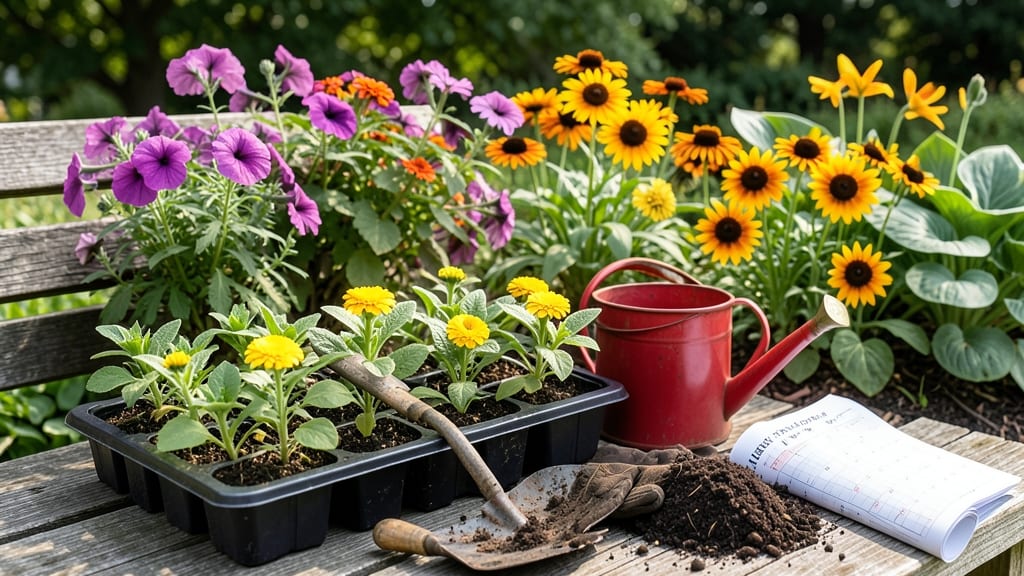
Timing your flower planting in Rhode Island can make the difference between a vibrant garden and a sad, frost-nipped disappointment—especially when coastal breezes and inland valleys create wildly different growing conditions.
The 6a-7a zones here mean you’ve got a narrow window to get those 🌸 seeds and bulbs in the ground before Mother Nature throws a curveball.
Most gardeners know spring is the prime time, but did you know August-September offers a second chance for fall bloomers? I’ve learned the hard way that planting too early risks frost damage, while waiting too long can leave your garden looking bare.
Let’s break down the exact dates—plus microclimate tweaks—that’ll help your flowers thrive year-round.
Whether you’re prepping soil for daffodils or container gardens for petunias, understanding Rhode Island’s last frost dates (around April 15) is your secret weapon. I’ll share how to adjust for coastal warmth versus inland chill, so you can extend your growing season and enjoy blooms from spring through fall.
Ready to transform your yard into a showstopper? Grab your gloves—we’re diving into the perfect planting schedule, from bulbs to annuals, so you never miss another bloom again.
Rhode Island’s frost zones and ideal flower planting months by region
Rhode Island’s USDA hardiness zones 6a-7a create unique planting opportunities, but last-frost dates vary dramatically between coastal areas and inland valleys. In Narragansett, the ocean moderates temperatures, while Westerly experiences colder inland microclimates. Understanding these differences ensures your annuals, perennials, and bulbs thrive year-round.
Coastal regions like Newport and Block Island typically see their last frost around April 15, while inland areas such as Providence and Westerly can experience frost until May 1.
This 10-day window can mean the difference between a vibrant spring garden and lost seedlings. Let’s break down the best planting months for each region.
Annual flowers like petunias and marigolds should be started indoors 6-8 weeks before your last frost, while perennials like coneflowers and black-eyed Susans can be planted directly in early spring or fall. Bulbs, such as tulips and daffodils, need to be planted in fall (September-October) to establish roots before winter.
Here’s a quick comparison of planting windows across Rhode Island’s key regions:
| Region | USDA Zone | Last Frost | First Frost | Best Planting Months | Notes |
|---|---|---|---|---|---|
| Narragansett | 6b-7a | April 10 | October 20 | March-May, Aug-Sept | Coastal warmth extends season |
| Providence | 6a-6b | April 15 | October 15 | April-May, Aug-Sept | Inland areas may need frost protection |
| Newport | 6b-7a | April 12 | October 18 | March-April, Aug-Sept | Moderate coastal climate |
| Westerly | 6a | May 1 | October 10 | May-June, Aug-Sept | Later frost; opt for cold-hardy varieties |
For coastal regions, you can push the envelope by planting heat-loving annuals like zinnias and sunflowers as early as mid-March.
In contrast, inland areas should wait until after April 15 to avoid frost damage. Fall planting is ideal for bulbs and perennials, as cooler temperatures encourage root growth before winter dormancy.
Always check your local microclimate—a sheltered garden spot may warm up faster than an exposed one. Use row covers or cloches to protect tender plants if frost threatens after your expected last frost date. My personal trick is to monitor the Rhode Island Weather Network for real-time frost alerts.
If you’re growing container flowers, remember they warm up faster than in-ground plants. Move pots to shaded areas at night if frost is forecasted, or wrap them in bubble wrap for extra insulation. Pansies and snapdragons are excellent cold-tolerant options for extending your spring and fall seasons.
For perennials, early spring planting gives roots time to establish before summer heat sets in. Daylilies and coneflowers are great choices—they thrive in Rhode Island’s well-draining soil and full sun. If you’re planting annuals from seed, start them indoors in February for a head start.
Don’t forget about fall planting! Many perennials and bulbs benefit from being planted in September or early October. This gives them time to root before the ground freezes. Daffodils and tulips are classic choices, but don’t overlook fall-blooming crocuses for early spring color.
By aligning your planting schedule
How to adjust planting dates for coastal vs. inland microclimates
Rhode Island’s coastal areas like Block Island enjoy warmer temperatures and later last frost dates (often May 1), while inland valleys such as Glocester face earlier frosts (around April 15). These microclimates can shift your planting window by 2-4 weeks, making timing everything for vibrant blooms.
Coastal gardeners can push the envelope with heat-loving annuals like petunias and geraniums, planting them as early as late April. In contrast, inland growers should wait until mid-May to avoid frost damage. Understanding these differences lets you extend your growing season and enjoy flowers from spring through fall.
🌱 Coastal vs. Inland Planting Adjustments
| Microclimate | Last Frost | Plant Annuals | Cold-Hardy Picks |
| Coastal | May 1 | Late April | Pansies, Snapdragons |
| Inland | April 15 | Mid-May | Sweet Alyssum, Calendula |
💡 Pro Tip: Use row covers or cloches to protect coastal plants from unexpected late frosts.
For coastal areas, consider fall planting of hardy perennials like black-eyed Susans or Russian sage in late August. These thrive in warmer soil and establish roots before winter. Inland gardeners should wait until early September to avoid early frost damage.
Extend your season with frost protection tools like floating row covers (for lightweight frost) or cloches (for heavy frost). These let you plant 2-3 weeks earlier in spring or 2 weeks later in fall. For example, marigolds can bloom all season under row covers in Zone 6a.
Monitor local frost alerts from the National Weather Service and adjust planting dates accordingly. Coastal areas may experience milder winters, but inland valleys can see sudden temperature drops. Cold-hardy flowers like pansies and violas are your best friends for early spring or late fall color.
By tailoring your planting schedule to Rhode Island’s microclimates, you’ll enjoy longer bloom times and healthier plants. Start with coastal-friendly varieties in April and inland-safe picks in May—your garden will thank you with nonstop color! 🌷