
Flowers
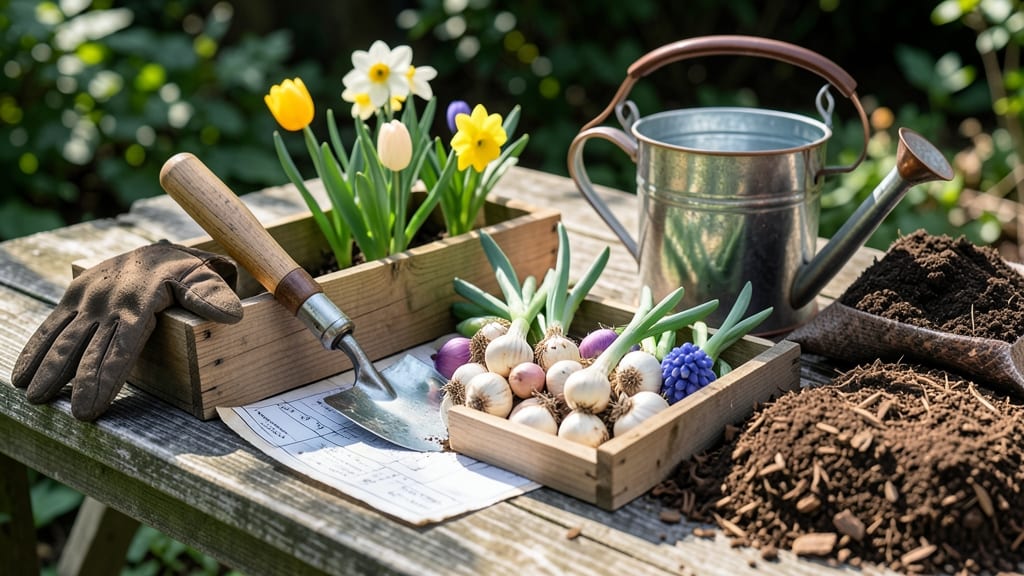
Planting flower bulbs 🌷 in spring can feel like a guessing game—too early, and you risk bolting or weak blooms, while waiting too long might mean missing the ideal window entirely.
But here’s the secret: soil temperature is the real game-changer. When those roots start to peek out, the ground needs to be just right—between 40°F and 60°F—to give your bulbs the best shot at thriving.
In USDA Zone 6a, that usually lands in early April, but frost dates and local weather can shift the timing.
I’ll walk you through how to check soil temps, spot the signs of perfect planting conditions, and avoid the 5 biggest mistakes that sabotage spring blooms. Whether you’re a first-timer or a seasoned gardener, these tricks will help you nail the timing every year.
Ready to transform your garden into a burst of color? Let’s dive into the exact steps to plant your flower bulbs at the perfect moment—no more second-guessing, just stunning results.
Optimal soil temperature ranges for planting flower bulbs in spring
Spring bulb planting success hinges on one critical factor: soil temperature. Most flower bulbs thrive when soil reaches 40-60°F, but timing varies by bulb type and your USDA hardiness zone.
Planting too early in cold soil can stunt growth, while waiting too long risks bolting or missed blooms. Let’s break down the perfect temperature thresholds for your favorite bulbs.
For tulips and hyacinths, aim for soil temperatures between 45-55°F—these cooler-loving bulbs can suffer if planted in warmer soil. Daffodils and alliums, on the other hand, tolerate slightly warmer soil (50-60°F) and often bloom earlier in the season.
Understanding these ranges ensures your bulbs establish roots before the rush of spring growth.
🌱
| Bulb Type | Ideal Soil Temp (°F) | USDA Zones | Planting Window |
|---|---|---|---|
| Tulips | 45-55°F | 3-8 | Late March-April |
| Daffodils | 50-60°F | 4-9 | Early March-May |
| Hyacinths | 45-55°F | 4-8 | Late March-April |
| Alliums | 50-60°F | 5-9 | April-May |
| Crocuses | 35-45°F | 3-10 | February-March |
Testing soil temperature is simpler than you think. Use a soil thermometer (available for under $10) to check 6 inches deep—where most bulbs will root. In cooler climates (Zones 3-5), wait until nighttime temperatures consistently stay above 40°F before planting.
Warmer zones (6-9) can start earlier, but avoid soil above 60°F to prevent bolting.
Regional differences matter! In Zone 6a (like my garden in Virginia), I plant tulips in early April when soil hits 50°F, while daffodils go in by late March at 48°F.
Check your local last frost date and adjust: bulbs need 4-6 weeks of cool soil to root before shoots emerge.
Pro tip: Use mulch (straw or shredded leaves) to regulate soil temperature. A 2-inch layer keeps soil cooler longer in spring, giving bulbs time to establish roots. In warmer zones (7-10), plant bulbs in partial shade to delay soil warming and extend the ideal planting window.
🌿
Common mistakes? Planting in frozen or waterlogged soil stalls root growth. Always dig a test hole—if soil clumps when squeezed, it’s too wet. For container gardening, use a heat mat to warm soil to 55°F before planting tender bulbs like hyacinths in cooler springs.
Monitor your garden’s microclimates! South-facing beds warm faster than north sides. If your yard has hot spots, plant heat-sensitive bulbs (like tulips) in cooler microclimates. With these soil temperature tricks, you’ll time your bulb planting perfectly for bold, healthy blooms every spring.
✂️
Optimal soil temperature ranges for planting flower bulbs in spring
Most gardeners assume planting flower bulbs in spring is as simple as waiting for frost to pass—but soil temperature is the real deciding factor. Bulbs like tulips and daffodils need the ground to warm to 40-60°F before they’ll thrive.
Plant too early in cold soil, and you’ll trigger bolting (premature flowering) or weak roots. In USDA Zone 6a, this typically means early April, but your local frost dates and microclimate can shift that window by weeks.
To avoid guesswork, I recommend using a soil thermometer—they’re inexpensive and give you precise readings. Stick it 4-6 inches deep (the depth most bulbs need) and check it in the morning.
If it consistently hovers between 45-55°F, your bulbs are ready. Warmer than 60°F, and you risk stressing tender roots before they establish.
Different bulbs have slightly different preferences. For example, hyacinths and crocuses can handle slightly cooler soil (40-50°F), while tulips prefer the upper end of the range (50-60°F). Alliums and fritillaries are more flexible, tolerating up to 65°F if planted early enough.
Knowing these nuances can help you extend your planting window by a few weeks.
| Bulb Type | Ideal Soil Temp (°F) | USDA Zones | Planting Window |
|---|---|---|---|
| Tulips | 50-60°F | 3-8 | Early April (after last frost) |
| Daffodils | 45-55°F | 3-9 | Late March-April |
| Hyacinths | 40-50°F | 4-8 | March-April |
| Alliums | 50-65°F | 5-9 | April-May |
| Crocuses | 40-50°F | 3-7 | Late March |
🌱 Pro Tip: Adjust for shady spots—they warm up slower than sunny areas by 5-10°F.
If you’re in a warmer climate (Zones 7-10), your window shifts later—often May or even June for heat-sensitive bulbs like tulips. In these areas, I recommend planting in the evening or on cloudy days to reduce heat stress.
Conversely, in cooler zones (3-5), you might need to wait until May or even June for the soil to warm enough, especially in northern exposures.
One common mistake? Relying on air temperature instead of soil temperature. A 70°F day can still hide 50°F soil, tricking you into planting too early. Always check the ground—your bulbs will thank you with healthier blooms and longer vase life.
And if you’re unsure, err on the side of waiting—cold soil is easier to fix than bolting bulbs.
Once you’ve nailed the soil temperature, the next step is preparing the bed. Loosen the soil to 12 inches deep, mix in compost, and avoid fresh manure—it can burn delicate roots.
With the right timing and prep, your spring garden will burst with color instead of disappointment. 🌷