
Plants
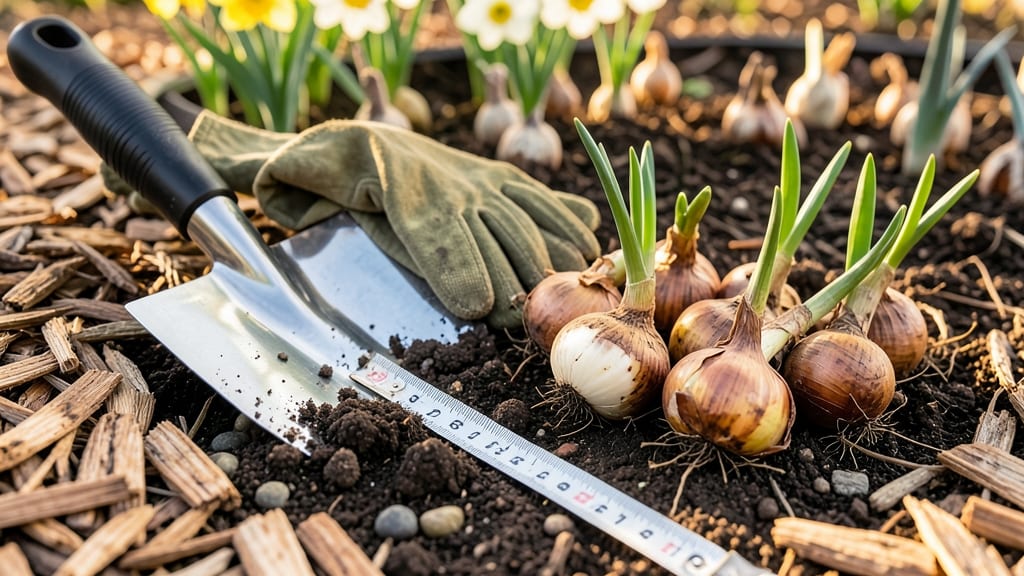
Planting tulips 🌷 in North Carolina at the wrong time can mean weak stems or—worse—no blooms at all. But get the timing right, and you’ll enjoy vibrant spring displays year after year, even with the state’s unpredictable frost dates.
Most gardeners in zones 7a-8b know fall is the key season, but the exact window depends on your microclimate. Too early, and bulbs rot; too late, and they won’t root before winter.
I’ll break down the perfect 4-6 week window for your specific zone to ensure your tulips survive and thrive.
Why does this matter? Because North Carolina’s first frost can arrive as early as mid-November in the mountains or as late as December in coastal areas.
Planting too close to freezing stresses bulbs, while planting too soon risks soggy soil. Let’s fix that with a foolproof schedule tailored to your heat zone.
You’ll learn how to read your soil’s readiness, choose the right varieties for your area, and even extend your tulip season in warmer zones like 8b. Ready to turn your garden into a springtime showstopper? Let’s get started.
Best planting months for tulips in North Carolina by heat Zone (7A-8B)
North Carolina’s diverse climate—from the cool mountains of Zone 7A to the warmer coastal plains of Zone 8B—means your tulip planting window varies by 1-2 months. Planting at the right time ensures bulbs establish roots before winter and bloom spectacularly in spring.
In Zone 7A, aim for early October, while Zone 8B gardeners have until mid-December. The key? Soil temperature must drop to 50-60°F (10-15°C) for 2-3 weeks before planting.
Missed the fall window? Don’t panic. January planting still works in most of NC, though blooms may arrive slightly later. The critical factor isn’t the calendar date but the first hard frost. Tulip bulbs need 4-6 weeks to root before freezing temperatures hit.
In Asheville (Zone 7A), that’s typically by mid-November, while in Raleigh (Zone 7B), it’s late November. Coastal areas like Wilmington (Zone 8A) can plant until December 1.
Here’s the exact planting timeline broken down by zone, including soil prep tips to maximize success:
For Zone 7A gardeners, the earliest planting (early October) gives bulbs the longest rooting period before winter. In Zone 8B, where winters are milder, you can push planting to mid-December—but avoid planting after January 10, or blooms may be sparse.
Pro tip: Use a soil thermometer to confirm temperatures are in the ideal range before planting.
If you’re in Zone 8A or 8B, late planting (December) risks premature bolting—when tulips shoot up too early and fade before spring. To prevent this, choose late-season varieties like ‘Red Emperor’ or ‘Istanbul’, which bloom 2–3 weeks later than early types.
For container gardening, plant bulbs in well-draining pots and move them to a garage or shed during extreme cold snaps (below 20°F/-7°C).
One common mistake? Planting too shallow. In NC’s clay-heavy soils (common in the Piedmont), dig 8 inches deep—not the standard 6 inches—to protect bulbs from freeze-thaw cycles.
Add compost or sand to improve drainage, especially in low-lying areas where water pools. After planting, water deeply to settle soil and encourage root growth.
For urban gardeners in Raleigh or Charlotte, microclimates matter. A south-facing bed warms up faster in spring, while a north-facing area stays cooler longer.
If your yard has late spring frosts (common in the Appalachian foothills), opt for mid-season tulips like ‘Monsella’ or ‘Queen of Night’ to avoid frost damage to blooms.
Remember: Tulips are per
Critical factors that determine your perfect tulip planting time
North Carolina’s diverse climate means your tulip planting window depends on more than just the calendar. The soil temperature must drop to 50-60°F for bulbs to root before winter dormancy.
In Zone 7A, this happens by mid-October, while Zone 8B gardeners have until early December—but only if frost isn’t imminent.
Your first frost date is the ultimate deadline. Most of NC sees frost by mid-November, but mountain regions (Zone 6B) can freeze as early as October 15.
Plant bulbs 4-6 weeks before frost to let roots establish. For example, if frost hits November 15, aim for early October planting.
Bulb hardiness matters too. Standard tulips thrive in Zones 3-8, but Darwin Hybrid varieties handle NC’s heat better. Check your bulb’s USDA zone rating—some tropical tulips (like Tulipa kaufmanniana) need Zone 5+ protection.
Don’t overlook microclimates. A sheltered south-facing slope may stay warmer, delaying frost by 1-2 weeks compared to a low-lying valley. Use these 3 clues to adjust timing: soil temp, frost history, and sun exposure.
🌱 3 Key Factors for Perfect Timing
- Soil Temperature: 50-60°F triggers root growth. Use a soil thermometer to check.
- First Frost Date: Plant 4-6 weeks before your area’s average frost. NC ranges: Oct 15 (mountains) to Dec 1 (coast).
- Bulb Hardiness: Zone 7A-8B tulips need cold dormancy—avoid tender varieties like Tulipa gesneriana in Zone 8B.
Pro tip: Test your soil in late September. If it’s still above 60°F, wait 2-3 weeks before planting. Overheated soil can cause rot before roots form. For Zone 8B, consider shade cloth or mulch to mimic cooler conditions.
Remember, early planting isn’t better—bulbs need 6-8 weeks of cool soil to root. Planting in September risks premature sprouting, while waiting until January may leave bulbs vulnerable to freeze-thaw cycles. Strike the balance for vibrant spring blooms!