
Plants
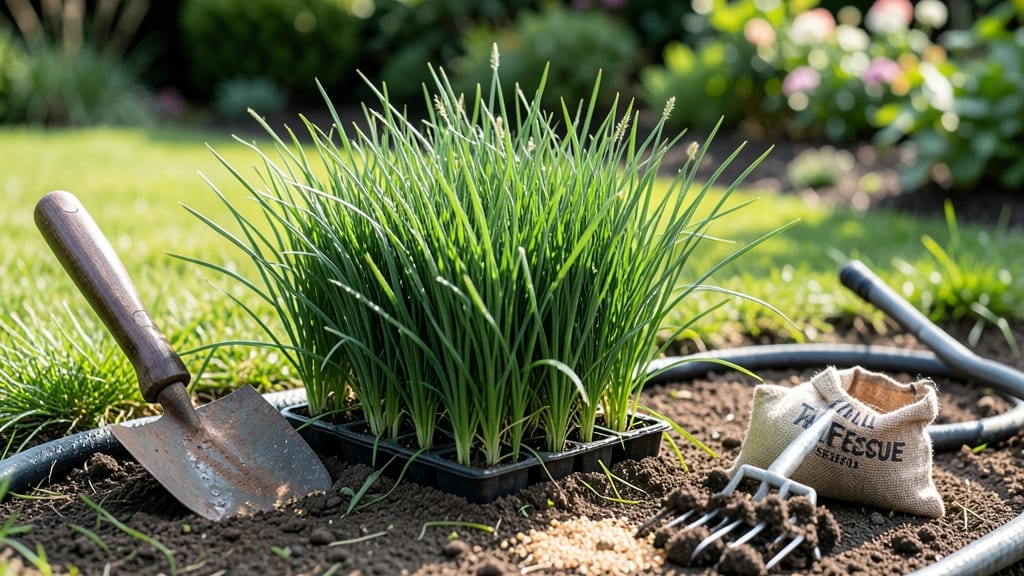
Planting fescue in North Texas at the wrong time can leave your lawn struggling—too early, and frost zaps your seedlings; too late, and summer heat stresses them before they take root.
The key to a thick, green lawn lies in understanding when soil temperatures and weather patterns align perfectly for success.
For most of North Texas in USDA Zone 8a, the ideal window opens in late September through early October, when daytime highs stay mild and nights cool down. This timing lets the grass establish strong roots before winter sets in, giving you a head start on next year’s growth.
But don’t overlook the spring option—planting in March or early April, after the last frost, works too.
Why does this matter? Because fescue thrives when soil temps hover between 55°F and 65°F, and North Texas’ microclimates—from urban heat islands to rural areas—can shift those conditions dramatically.
Whether you’re in Dallas, Fort Worth, or a smaller town, small adjustments in timing can mean the difference between a patchy lawn and one that’s the envy of the neighborhood.
I’ll walk you through the exact steps to time your planting, from reading soil cues to adjusting for your yard’s unique conditions. Let’s get that 🌱 fescue growing strong—without the guesswork.
Optimal planting windows for fescue in North Texas by soil temperature
North Texas gardeners face a unique challenge when planting fescue grass—the region's 55°F-65°F soil temperature zones shift dramatically between summer and fall. Planting too early risks seedling frost damage, while waiting too long exposes young roots to summer heat stress.
The key is understanding how microclimates in Dallas, Fort Worth, and rural areas create localized planting windows based on soil warmth and frost dates.
For cool-season fescue, the ideal soil temperature for germination is between 55°F and 65°F. In North Texas, this typically aligns with late August through October, but urban areas like Dallas often warm up faster than rural zones.
The first frost date (around November 15) acts as your deadline—plant 4-6 weeks before to ensure strong root establishment before winter.
Soil temperature is your best indicator, not just calendar months. Use a soil thermometer to confirm 55°F+ readings at a 4-inch depth. In Dallas-Fort Worth, this usually happens by mid-September, while rural areas may need to wait until late September. Spring planting is riskier due to variable rainfall and late frosts, but March-April can work if you monitor nighttime temperatures closely.
Here’s how North Texas microclimates affect your planting timeline, broken down by region and soil temperature zones:
Spring planting (March-April) is possible but comes with higher risks. The last frost date in North Texas hovers around March 15, but late-season frosts can still occur.
If you choose spring, wait until soil reaches 55°F consistently and monitor nighttime lows—anything below 40°F can damage seedlings. Rural areas should delay until mid-April to play it safe.
One critical mistake I see is ignoring soil moisture during planting. Fescue seeds need consistent moisture to germinate, but overwatering can lead to
Microclimate-specific planting strategies for North Texas lawns
North Texas lawns aren't one-size-fits-all—your neighbor's perfect fescue timing might fail in your yard due to urban heat islands or elevation shifts. For example, downtown Dallas can hit 95°F soil temps by late August, while rural areas near Lake Lewisville stay cooler thanks to water bodies.
These microclimates shift your ideal planting window by 2-4 weeks, so understanding your yard's unique conditions is key.
Start by mapping your yard's sun exposure and soil type. Shady yards under oak trees (common in North Texas) can delay planting until mid-October to avoid fungal growth, while sunny areas may need early September planting.
Similarly, clay-heavy soils in Fort Worth retain moisture longer, while sandy soils near Amarillo dry out faster—both affect when you should seed.
Here’s how to adjust your fescue planting timeline based on your yard’s microclimate:
- Urban Heat Islands (Dallas/Fort Worth): Plant late August to early September—soil temps drop faster here due to concrete and pavement. Water twice daily until roots establish.
- Shady Yards (Under Trees): Delay until mid-October to avoid fungal diseases from excess moisture. Choose fine fescue varieties like 'Creeping Red' for shade tolerance.
- Drought-Prone Areas (West Texas Transition): Seed in early October and mulch heavily. Use drought-resistant tall fescue blends with 10% more seed for thinner soils.
- Clay Soil (DFW Metroplex): Loosen soil 6 inches deep in July to improve drainage. Plant in September when clay cools—add gypsum if compaction is severe.
- Sandy Soil (North Texas Piney Woods): Plant early September and water daily for the first 3 weeks. Mix sand with compost to retain moisture.
- Elevated Areas (Hill Country): Wait until October 1st—cooler nights and lower humidity reduce seedling stress. Use starter fertilizer with phosphorus for root growth.
Watering schedules also shift with microclimates. In urban areas, early morning watering is critical to combat heat stress, while rural yards may only need evening watering to conserve moisture.
Use a soil moisture meter to check—fescue roots need 1-2 inches of water weekly, but clay soils may require less frequent, deeper watering.
For shady lawns, avoid overseeding in summer—even partial shade can turn seed into a fungal buffet. Instead, focus on fall aeration and top-dressing with compost to improve soil structure.
In sunny patches, pair tall fescue with buffalo grass for a drought-resistant mix that thrives in 100°F+ heat.
Pro tip: Test your soil’s pH and organic matter before planting. North Texas soils often test acidic (pH 6.0-6.5), but fescue prefers 6.0-7.0. Amend with lime in late summer to give roots a head start.
With these microclimate tweaks, your fescue will establish 2-3 weeks faster and outcompete weeds.
🌱