
Plants
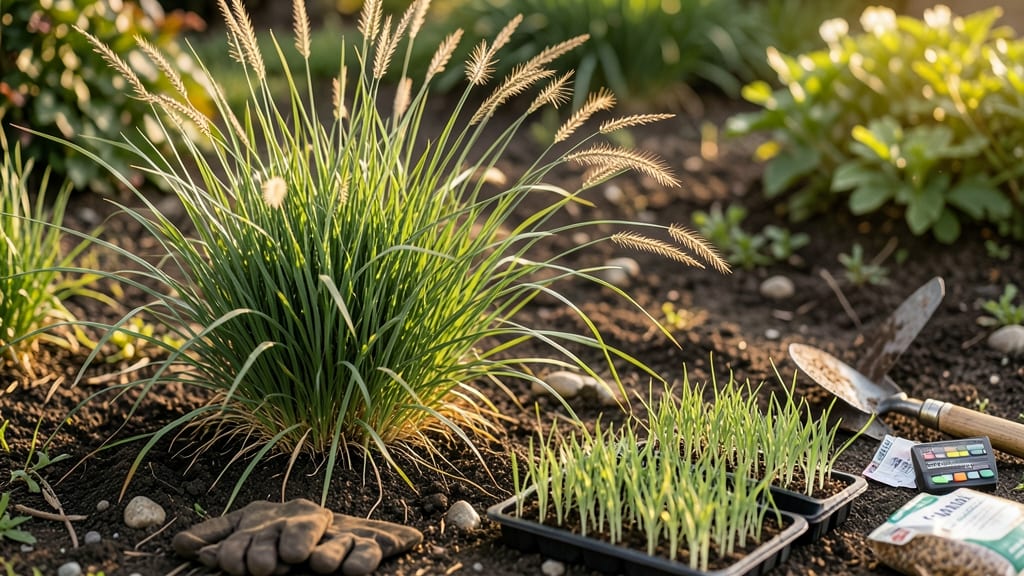
Timing is everything when it comes to planting fescue in Arkansas—get it right, and you’ll have a lush, resilient lawn by next spring.
The late summer to early fall window (August through October) is your golden opportunity, but even a few weeks off can mean weaker roots struggling to establish before winter hits.
Here in USDA Zones 7a-8a, where Arkansas’ humid subtropical climate swings from scorching summers to early frosts, planting too soon means battling heat stress, while waiting too long risks exposing young grass to cold snaps.
The key? Planting 4-6 weeks before your first frost—typically by mid-October—to give your 🌱 fescue time to develop strong roots before winter dormancy kicks in.
Why does this matter? Because Arkansas’ clay-heavy soils and summer humidity demand precision. Skip the ideal window, and you might end up with patchy growth, increased weed competition, or even wasted seed.
I’ll walk you through the exact months to plant, how to prep your soil, and what to watch for—so you can avoid common mistakes and set your lawn up for success.
Ready to transform your yard into a thick, green carpet? Let’s dive into the step-by-step timeline that’ll have your fescue thriving from day one—no guesswork required.
Optimal planting windows for fescue in Arkansas by USDA Zone (7a vs 8a)
Arkansas' USDA Zones 7a-8a create distinct planting windows for tall fescue and fine fescue varieties. In Zone 7a, where average first frost hits around November 15, aim to plant 4-6 weeks before frost—typically mid-September to early October.
Meanwhile, Zone 8a gardeners have a slightly extended window, benefiting from late August through October due to milder winters.
For both zones, late summer (August) is a secondary window, but success depends on soil temperatures staying above 55°F for optimal germination. Fine fescue, with its shadier tolerance, often thrives when planted 1-2 weeks earlier than tall fescue in Zone 7a.
Timing isn’t just about frost dates—it’s also about avoiding Arkansas’ summer heat stress. Planting in July or early August risks seed desiccation from 90°F+ soils, while November plantings may not allow enough root establishment before winter dormancy.
Here’s how to align your planting with Arkansas’ microclimates and frost-free days:
| Zone | Best Planting Window | Soil Temp Requirement | Frost Risk | Key Consideration |
|---|---|---|---|---|
| 7a (North AR) | Mid-September to early October | 55°F–75°F | High (Nov 15) | Prioritize fine fescue for cooler microclimates. |
| 7a (South AR) | Late August to October | 55°F–80°F | Moderate (Nov 1) | Tall fescue thrives in warmer pockets. |
| 8a (All) | Late August to October | 60°F–85°F | Low (Dec 1) | Extend window to early November if soils stay warm. |
For Zone 7a, the 4-6 week rule before frost translates to September 15–October 15. Use this time to test soil moisture—Arkansas’ clay-heavy soils can dry rapidly in September, requiring pre-watering 24 hours before planting.
In Zone 8a, where first frost often arrives December 1, you can push plantings to early November if your soil temperature remains above 60°F. Monitor Arkansas Cooperative Extension forecasts for unseasonable cold snaps, which can stunt germination.
Pro tip: Fine fescue varieties like Creeping Red tolerate shadier conditions common in Zone 7a’s wooded areas, making them ideal for early September plantings when direct sun is intense.
If you miss the fall window, spring planting is possible in Zone 8a (March–April), but Zone 7a gardeners should avoid this due to competition from weeds and hotter soils.
Always check seed packet instructions—some pre-mixed fescue blends include ryegrass, which has a different optimal window (September–October only).
Optimal planting windows for fescue in Arkansas by USDA Zone (7a vs 8a)
Arkansas' USDA Zones 7a-8a create distinct planting windows for fescue, where timing directly impacts root strength and winter survival. In Zone 7a (northern Arkansas), aim for late August through mid-October—this 6-week window ensures seeds germinate before first frost (Nov 15) while avoiding summer heat stress.
Meanwhile, Zone 8a gardeners have slightly more flexibility, with ideal planting from early September through November, allowing for a longer establishment period before winter.
The key is planting 4-6 weeks before first frost—this gives fescue roots 3-4 weeks of warm soil (60°F+) for strong development. In Arkansas, soil temperatures drop below 60°F by mid-October in Zone 7a and late October in Zone 8a, making these your final planting deadlines.
Missing this window risks weak roots that struggle through winter's chill.
| Zone | Best Planting Window | Soil Temp Requirement | First Frost Date |
|---|---|---|---|
| 7a | Late August - Mid-October | 60°F+ | Nov 15 |
| 8a | Early September - November | 60°F+ | Nov 25 |
For tall fescue varieties (like Kentucky 31), prioritize late August planting—this aligns with Arkansas' peak rainfall in September, reducing irrigation needs. Fine fescue (like Creeping Red), however, benefits from September-October planting to avoid summer heat stress, which can scorch delicate seedlings.
Both varieties thrive when planted after midday heat subsides—aim for morning or late afternoon seed spreading to prevent desiccation.
Mississippi County (Zone 8a) gardeners often extend planting into early November thanks to milder winters, but avoid planting after November 15—new roots won't harden before winter's first freeze.
In Benton County (Zone 7a), October 15 is your cutoff: any later, and seedlings risk winterkill from Arkansas' occasional 20°F dips. Use a soil thermometer to confirm temperatures stay above 60°F for 7+ days post-planting.
Pro tip: Arkansas' humid subtropical climate means fungal diseases like brown patch thrive in warm, wet conditions. Plant 2-3 weeks earlier in Zone 7a if your September forecast predicts 5+ inches of rain—this gives seeds time to establish before fungal pressure peaks.
Always choose disease-resistant varieties like 'Turftype Tall Fescue' for Arkansas lawns.
Remember, overseeding existing lawns in spring (March-April) is possible, but summer heat makes this risky. If you miss fall, wait until early spring (March) when soil temps rise above 55°F—but expect slower establishment compared to fall plantings.
Arkansas' clay-heavy soils (common in the Delta region) benefit from gypsum amendments 2 weeks pre-planting to improve drainage.