
Plants
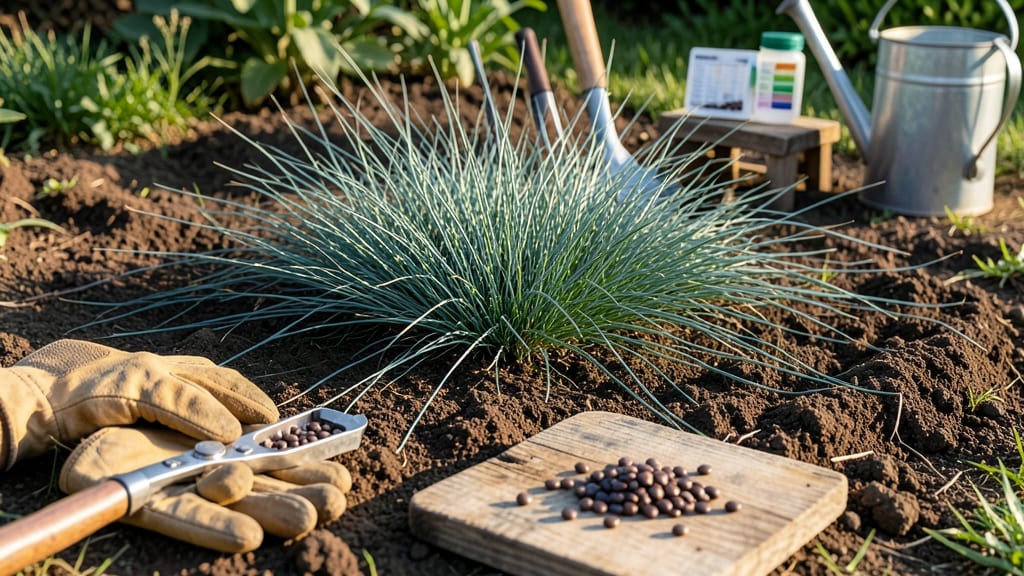
Planting buffalo grass seed in Kansas at the right time can transform your yard from patchy to picture-perfect in just a few months.
Unlike other grasses, buffalo grass thrives when planted in late summer or early spring, when soil temperatures hover between 55-65°F—the sweet spot for deep root establishment before winter dormancy kicks in.
If you've ever struggled with thin lawns or slow-growing grass, timing is the key. Kansas gardeners know the difference between a 5b-7a zone lawn that fights back against drought and one that wilts under the summer sun.
The secret? Planting after the worst heat has passed but before the first frost hits—typically late August to mid-September or early April.
But here's the thing: even the best-laid plans can go wrong if you don't prep the soil right.
We'll cover how to break up compacted Kansas clay, when to fertilize (hint: it's not what you think), and why skipping this step could mean months of fighting weeds instead of enjoying your lawn. Let's get your buffalo grass off to the best start possible.
Ready to ditch the guesswork? I'll walk you through the exact steps—from soil prep to post-planting care—that Kansas gardeners swear by. Because when it comes to buffalo grass, timing isn't just important—it's everything.
Best months to plant buffalo grass seed in Kansas by region
Kansas' diverse climate means buffalo grass seed thrives in different regions when planted at the right time. The ideal soil temperature for germination is between 55-65°F, which varies by region. Understanding these windows ensures your lawn establishes strong, drought-resistant roots before winter or summer stress hits.
In Northern Kansas (Wichita), cooler temperatures arrive earlier, while Southern Kansas (Wichita Mountains) stays warm longer. Central Kansas (Topeka) falls right in between. Each region has a 3-4 week planting window where conditions are perfect—miss it, and your seed may struggle to establish.
Spring planting in Kansas is risky because of late frosts (average last frost is April 15). Fall planting, however, aligns with cooler temps and consistent rainfall, making it the preferred time. Let's break down the exact months for each region to maximize your success.
🌱
For Northern Kansas, aim for late August through mid-September in fall or early April in spring. The soil stays warm enough for germination but cools before winter sets in. If you plant in spring, wait until after the average last frost date (April 15) to avoid seed damage.
Central Kansas gardeners have a slightly longer window—mid-August to late September—because temperatures moderate more gradually. This region benefits from consistent rainfall during these months, reducing the need for supplemental watering during establishment.
In the Wichita Mountains, Southern Kansas' warmer climate extends the planting window to early September through early October. The soil stays warm longer, giving seeds more time to germinate before winter. Spring planting here can start as early as late March if frost risk is low.
Rainfall plays a critical role in Kansas buffalo grass success. While buffalo grass is drought-tolerant once established, seeds need consistent moisture during germination. Northern regions typically need 1-1.5 inches weekly, while Southern areas may require slightly less due to higher humidity.
After planting, monitor soil moisture closely. Use a rain gauge or trowel test to check depth—soil should stay evenly moist but not soggy. Mulching with straw or grass clippings helps retain moisture and regulate soil temperature during critical germination weeks.
✂️
How to prepare Kansas soil for buffalo grass seed success
Buffalo grass thrives in Kansas' hot, dry climate, but proper soil prep is the foundation for deep root establishment. Ideal soil conditions include a pH of 6.0-7.0 and loose, well-draining topsoil. Without these, even the best seed can struggle to germinate or establish strong roots—critical for surviving Kansas summers.
Start by testing your soil's pH and texture. Kansas soils often lean alkaline, which can hinder nutrient uptake. A simple soil test kit (available at garden centers) will reveal if you need to adjust pH with sulfur (to lower) or lime (to raise).
Aim for that neutral range—buffalo grass won't tolerate extremes.
Next, focus on tilling depth and weed control. Buffalo grass seeds are tiny and need direct contact with soil to germinate. Till only the top 1-2 inches—deeper tilling can bury seeds too deeply or disrupt beneficial soil microbes.
Use a broadfork or rototiller on a dry day to avoid compacting the soil.
Step-by-Step Soil Prep for Buffalo Grass
- 1
Use a kit to check pH—aim for 6.0-7.0. Amend with sulfur or lime if needed (apply 2-3 weeks before planting).
- 2
Loosen soil to a depth of 1-2 inches using a rototiller or broadfork. Avoid deep tilling—buffalo grass roots are shallow.
- 3
Apply pre-emergent herbicide (like corn gluten meal) or hand-pull weeds. Buffalo grass seedlings are weak competitors—clear the area first.
- 4
Mix in compost (1 inch) and sand (if clay-heavy) to improve drainage. Avoid fresh manure—it can burn seeds.
- 5
Use a fine-tooth rake to create a smooth, firm surface. This ensures seeds make contact with soil and don’t wash away during watering.
For clay-heavy soils common in eastern Kansas, blend in coarse sand or perlite to improve drainage. Buffalo grass hates soggy roots, and Kansas already gets enough rain—don’t trap excess moisture. In sandy soils (like those in western Kansas), mix in compost or peat moss to retain moisture during germination.
Finally, level the soil with a rake to prevent low spots where water pools. Buffalo grass seeds need consistent moisture but can’t handle standing water. After planting, lightly roll the area with a lawn roller to ensure seed-to-soil contact—this simple step can double your germination rate.
With these steps, your Kansas soil will be primed for buffalo grass success. The key is patience—these seeds germinate slowly, but once established, they’ll outlast Kansas’ harshest summers with minimal care. 🌱