
Plants
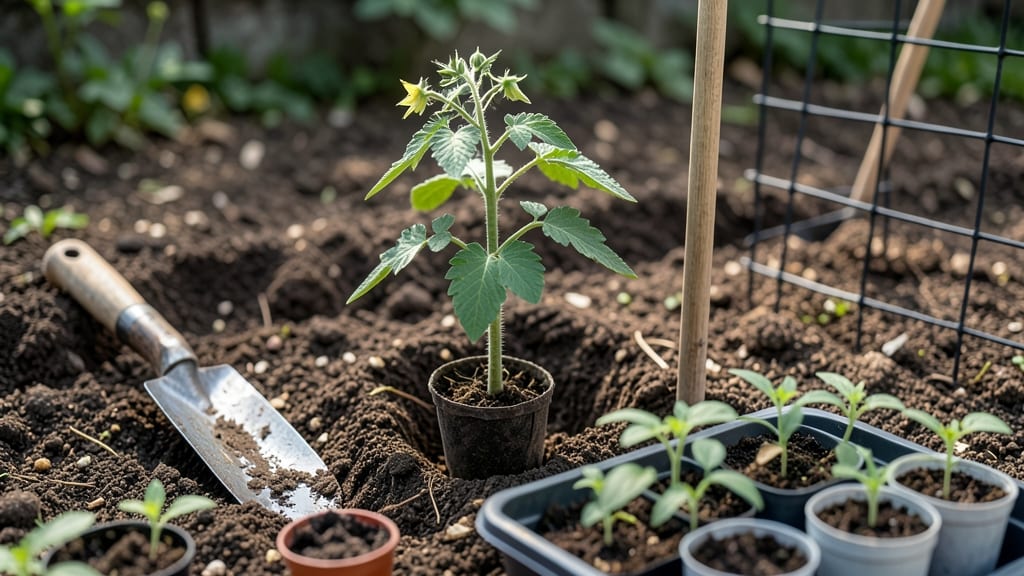
Planting your 🍅 tomato plants at the wrong time in Pennsylvania can mean the difference between a garden full of juicy red fruit and a sad pile of frost-nipped seedlings.
The key to success isn't just waiting for spring—it's understanding exactly when to put those tender plants in the ground for your USDA Zone 6a-7a climate.
With Pennsylvania's famously unpredictable weather, knowing the exact planting window—typically between mid-April and early June—helps you avoid late frosts that can wipe out your hard work. I'll walk you through the precise timeline, including when to start seeds indoors and when to transplant seedlings for maximum success.
Whether you're a first-time gardener or a seasoned pro, getting this timing right means fewer risks and more rewards. You'll learn how to prepare your soil, choose the right varieties, and even extend your growing season with simple tricks that work in Pennsylvania's variable climate.
Let's dive into the step-by-step strategy that will have your tomato plants thriving from the moment they hit the soil—no guesswork required.
Pennsylvania tomato planting timeline: exact dates for USDA Zones 6a-7a
Timing your tomato planting in Pennsylvania is all about beating the last frost while giving seedlings enough time to mature before fall frosts. With USDA Zones 6a-7a, your window is tight—typically April 15 to June 1—but regional microclimates can shift this by 1-2 weeks.
Philadelphia’s urban heat island effect may push your zone slightly warmer, while Pittsburgh’s valleys can experience late frosts into May.
Soil temperature is your true guide, not just dates. Tomatoes thrive when soil hits 60°F (15°C)—use a soil thermometer to confirm readiness. In Zone 6a (e.g., State College), aim for May 1 planting; in Zone 7a (e.g., Lancaster), you can start as early as April 20.
Always monitor local frost forecasts—the National Weather Service provides 30-day outlooks that can save your crop.
| Region | Zone | Last Frost Date | Indoor Start (Seeds) | Outdoor Planting Window | Soil Temp Requirement |
|---|---|---|---|---|---|
| Philadelphia | 7a | April 15 | March 1 - March 15 | April 20 - May 10 | 60°F (15°C) |
| Pittsburgh | 6a | April 25 | March 15 - April 1 | May 1 - May 15 | 60°F (15°C) |
| Central PA (Harrisburg) | 6b | April 20 | March 10 - March 25 | April 25 - May 5 | 60°F (15°C) |
| Erie | 6a | May 5 | March 20 - April 5 | May 10 - May 25 | 60°F (15°C) |
Start tomato seeds indoors 6-8 weeks before your last frost date to give seedlings a head start. For Zone 6a, that means March 15-April 1, while Zone 7a gardeners can begin as early as March 1.
Use grow lights to provide 14-16 hours of light daily—tomatoes need long daylight to thrive. Harden off seedlings 1 week before transplanting by gradually exposing them to outdoor conditions.
Transplant seedlings outdoors only after nighttime temperatures stay above 50°F (10°C). In Philadelphia (Zone 7a), this typically aligns with April 20-May 10, but Pittsburgh (Zone 6a) may wait until May 1-May 15.
Use black plastic mulch to warm soil faster and row covers for early planting protection. Plant tomatoes deep, burying 2/3 of the stem to encourage root growth.
For late-season planting, consider heat-tolerant varieties like 'Solar Fire' or 'Heatmaster', which can handle 90°F+ temperatures. These can be planted as late as June 1 in Zone 7a or June 15 in Zone 6a, giving you a second harvest before frost.
Just be prepared to water deeply and use shade cloth during heatwaves.
Watch for late frosts,
How to extend your tomato growing season in Pennsylvania (even after last frost)
Pennsylvania’s cool springs and early fall frosts can cut your tomato harvest short—but with the right strategies, you can enjoy homegrown tomatoes well beyond the last frost date. The key lies in season extension tools and smart planting techniques that protect tender seedlings and mature plants alike.
Whether you’re dealing with a late spring chill or an early autumn frost, these methods will help you maximize your harvest and keep your garden productive longer.
One of the most effective ways to protect young tomato plants is by using row covers or cold frames during those unpredictable late-spring frosts. These simple tools can raise soil temperatures by 5-10°F, giving your plants a head start.
Even if a frost sneaks in, a well-insulated cold frame can shield seedlings and allow you to plant earlier than the traditional last frost date. For gardeners in USDA Zone 6a, this could mean 2-3 extra weeks of growing time before summer heat fully sets in.
- 🌡️ Use row covers to protect seedlings from late frosts (raises temps by 5-10°F). Remove when flowers appear to allow pollination.
- 🏡 Cold frames extend the season 4-6 weeks earlier in spring and 3-4 weeks later in fall. Ideal for heat-loving varieties like 'Celebrity' or 'Better Boy'.
- 🌱 Succession planting every 2 weeks after the last frost ensures a continuous harvest through fall. Stagger plantings of determinate (bush) and indeterminate (vining) types.
- ☀️ Choose heat-tolerant varieties like 'Solar Fire' or 'Heatmaster'—these thrive in 90°F+ temps and resist blossom drop during summer heatwaves.
- 🌿 Black plastic mulch warms soil 10°F+ faster than bare earth, speeding up early growth. Combine with drip irrigation to retain moisture.
For those who want to harvest tomatoes well into fall, succession planting is a game-changer. Instead of planting all your tomatoes at once, space out plantings every 2 weeks after the last frost date.
This ensures a steady supply of ripe tomatoes as early varieties finish and later ones take over. Pair determinate varieties (like 'Roma' or 'Patio') for early harvests with indeterminate types (like 'Brandywine' or 'Sungold') to keep the harvest going until frost.
Another game-changing technique is selecting heat-tolerant tomato varieties that can handle Pennsylvania’s summer heatwaves. Varieties like 'Solar Fire' or 'Heatmaster' are bred to resist blossom drop and continue producing fruit even when temperatures soar.
These varieties also ripen faster in cool fall weather, giving you a second flush of harvests before the first frost. Pair them with drip irrigation to keep roots cool and prevent stress.
Don’t overlook the power of black plastic mulch—this simple tool can warm soil faster than bare ground, helping seedlings establish 2-3 weeks earlier in spring. In fall, it insulates roots and slows cooling, delaying the need to harvest before frost.
Combine it with straw mulch on top to retain moisture and suppress weeds, creating an ideal microclimate for your tomatoes.
With these strategies, you can turn Pennsylvania’s short growing season into a long, productive harvest. Whether you’re using row covers, cold frames, or heat-tolerant varieties, the key is planning ahead and adapting to your local climate.
Start small with one or two techniques, and watch your tomato harvest stretch from early summer to late fall—or even winter with a greenhouse! 🌱