
Plants
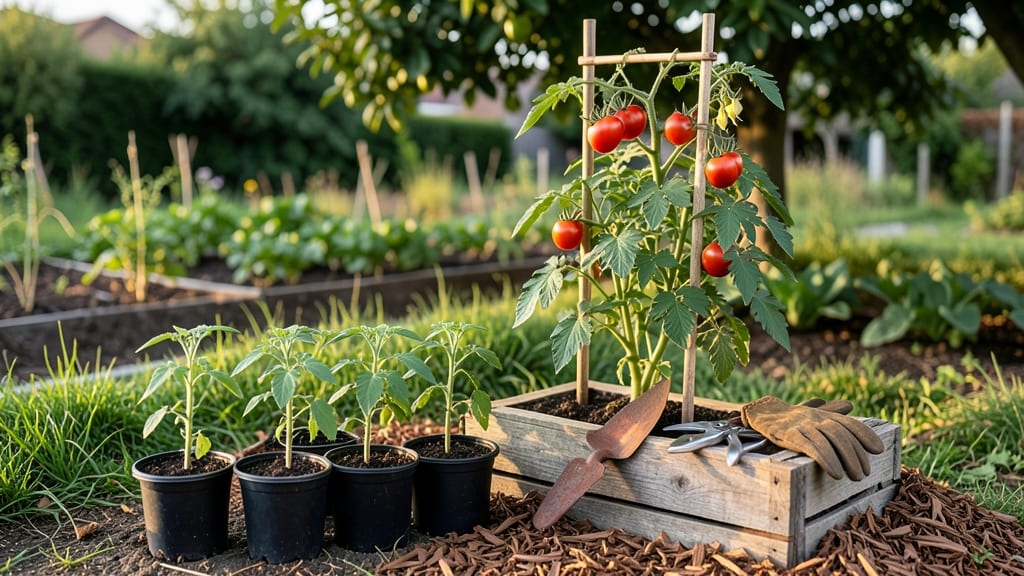
Timing when to plant fall tomatoes in Houston in Heat Zone 9a isn’t just about dates—it’s about dodging the coastal heat that can stall growth and the early frosts that sneak in by December.
Plant too soon, and your 🍅 vines might bolt in the lingering summer heat. Too late, and you’ll miss out on that sweet, vine-ripened harvest before the cold sets in.
I’ve grown tomatoes here for years, and the 6-week rule is non-negotiable: count back from your expected first frost (usually December 1) to pinpoint the perfect window.
Mid-August to early October gives your plants just enough time to mature before the chill arrives—but Houston’s humidity and unpredictable weather demand a little extra strategy.
What if you’re staring at seed packets right now, wondering whether to plant? The answer depends on your variety and soil prep. Fast-maturing types like ‘Mountain Merit’ can handle a late start, while heat-tolerant picks like ‘Solar Fire’ thrive when planted earlier.
I’ll walk you through the exact dates, soil tricks, and care hacks to stretch your harvest until the very last tomato of the season.
Skip the guesswork and learn how to turn Houston’s short fall window into a bounty of juicy, homegrown tomatoes—no frost-related disappointments included.
Houston’s fall tomato planting window: exact dates for heat zone 9a success
Houston’s coastal climate creates a unique challenge for fall tomato growers—too early, and your plants bolt in summer heat; too late, and frost steals your harvest before maturity. The sweet spot?
Planting between mid-August and early October when soil temperatures dip below 85°F but stay above 60°F for optimal root development. This window ensures your tomatoes have 60–90 days to ripen before Houston’s average first frost on December 1 (though coastal areas may push this to mid-December).
For direct-sown seeds, aim for late August when daytime highs start dropping below 90°F. Seedlings struggle to germinate in Houston’s summer heat, so don’t rush—wait for consistent 75°F soil temps (test with a soil thermometer) before sowing.
If you’re using transplants, early September is ideal, giving them 8–10 weeks to establish before cold snaps arrive. Pro tip: Monitor the National Weather Service’s Houston frost predictions—they often adjust dates yearly based on Gulf moisture patterns.
Here’s the non-negotiable timeline for Houston’s fall tomato season, tailored to your planting method and local microclimates (e.g., inland vs. coastal areas like Galveston):
| Stage | Action | Houston Deadline | Key Consideration |
|---|---|---|---|
| Direct-Sown Seeds | Sow seeds ¼" deep | Late August (after 90°F highs end) | Soil temp must stay above 60°F |
| Transplant Seedlings | Hardened-off plants, 18" apart | Early September (best) or late September (last chance) | Avoid transplant shock from heat stress |
| Fertilize for Fruit Set | Apply 5-10-10 NPK | First 2 weeks after transplanting | Encourages root growth before flowering |
| Prune for Airflow | Remove suckers weekly | September–October | Reduces fungal risk from Houston humidity |
| Harvest Window | Pick ripe tomatoes | October–December (before 32°F) | Use row covers to extend season |
If you’re in Galveston or the immediate coast, you’ve got a 2–3 week advantage over inland Houston due to the Gulf’s moderating effect. Plant 1–2 weeks earlier than the table suggests, as coastal areas rarely see frost before mid-December.
Conversely, if you’re in north Houston or Katy, err on the later side—those areas can hit frost by November 15, so push your last transplant to early October.
Soil temperature is your true north—never plant when it’s above 85°F, even if the calendar says "September." Use a soil thermometer (available at local nurseries like Houston Garden Centers) to confirm readiness. For direct-sown seeds, wait until soil temps drop below 80°F at night—this prevents seedling "damping off" (a fungal kill-off common in Houston’s damp air). I’ve lost three batches of seedlings this way, so trust the thermometer over the calendar!
For maximum harvest, pair your planting date with mulching (use straw or black plastic) to retain soil warmth and moisture. In Houston’s clay-heavy soil, add 2–3 inches of compost before planting to improve drainage—stagnant water leads to blossom end rot, a common fall tomato nemesis.
Test your soil’s pH too; tomatoes thrive in 6.2–6.8 range. If your soil is too acidic (common in Houston’s piney woods areas), amend with lime 4–6 weeks before planting.
Pro move: Start a second planting in late September if your first batch bolts (grows too fast) from cool nights. Choose determinate varieties (bush tomatoes) for this late window—they ripen faster than indeterminate types. Just be prepared to protect them with row covers if frost threatens. I’ve had ‘Mountain Merit’ tomatoes ripen in 55 days under row covers when planted in early October—proof that Houston’s fall season is longer than you think!
Finally, track your local frost dates using the Texas A&M AgriLife Extension’s frost prediction map. Their data accounts for Houston’s unpredictable Gulf-driven weather, which can delay frost by weeks.
Bookmark their [frost forecast page](https://agrilifeextension.tamu.edu) and set reminders for October 15 (when you should have your last transplant in) and November 1 (time to monitor nighttime temps closely).
5 Critical factors that determine your Houston fall tomato deadlines (and how to adjust)
Houston’s fall tomato success hinges on 5 key factors—each one can shift your planting window by weeks. Ignore them, and you’ll either waste seeds on premature planting or rush plants that won’t ripen before frost.
Let’s break down how to adjust your timing based on soil temperature, humidity, and local tricks to beat the clock.
Your soil temperature is the #1 deadline-maker. Tomatoes need 60–85°F soil to germinate and thrive—any cooler, and growth stalls. In Houston, late August often still sits at 85°F+, but by mid-September, it can drop to 75°F.
Use a soil thermometer (just $10) to confirm—plant when temps hit 70°F+ consistently. If you’re late, opt for heat-tolerant varieties like ‘Solar Fire’ (they handle 90°F soils better).
🌡️ Numbered Highlights: Houston’s Fall Tomato Deadline Factors
- Soil Temp: Wait until 60–85°F—check with a thermometer! Late August is often too hot.
- Humidity Risk: Houston’s 90%+ humidity in fall = fungal diseases. Space plants 24–36" apart for airflow.
- Daylength: Shorter days slow growth. Start seeds indoors 6–8 weeks before outdoor planting.
- Frost Date: Houston’s average first frost is December 1, but coastal areas can delay it 2–3 weeks.
- Extenders: Row covers add 4–6°F protection—use them to push harvests into early December.
Houston’s coastal humidity is a double-edged sword. While it keeps soil moist, it also fuels fungal diseases like early blight and powdery mildew. If you plant too early (e.g., mid-August), your tomatoes may rot before ripening.
My trick? Mulch heavily with straw or pine needles to keep leaves dry, and prune lower branches to improve airflow. Avoid planting near shady structures—tomatoes need 6+ hours of sun, and Houston’s humidity makes partial shade a recipe for disaster.
Don’t let daylength trick you into planting too late. By late September, days shorten to 11.5 hours, slowing growth. If you’re starting from seed, begin them indoors 6–8 weeks before your target outdoor date.
Use grow lights if natural light drops below 12 hours/day. Pro tip: Solar Fire and Mountain Merit handle shorter days better than heirlooms—choose wisely for October plantings.
Your frost date is Houston’s ultimate deadline, but it’s not set in stone. The average first frost is December 1, but coastal areas (like Galveston) can delay it 2–3 weeks. Check your exact microclimate—if you’re inland, play it safer with an early October planting.
For coastal gardeners, you might squeeze in a late October transplant and protect it with a row cover to extend harvests into November.
Finally, season extenders can add 4–6 weeks to your harvest. A simple row cover (like Agribon) adds 4°F of protection, letting you plant 2–3 weeks later than the “official” deadline. For a high-tunnel effect, use clear plastic hoops over cages—this can push harvests into early December.
Just remember: Remove covers during the day to prevent overheating in Houston’s lingering summer heat.