
Planting
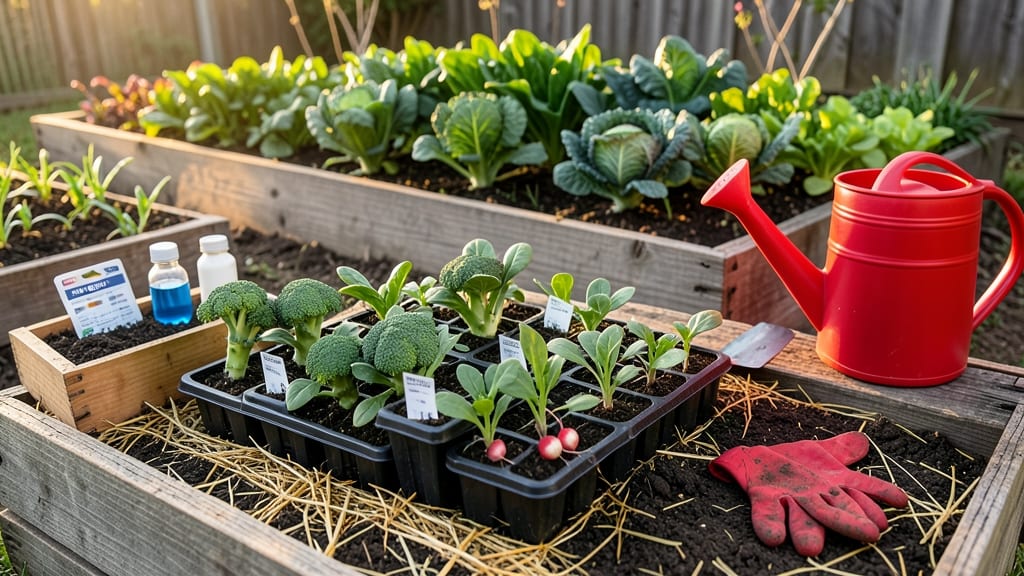
Planting a fall garden in Houston, Texas, isn’t just about timing—it’s about beating the heat while you still can. With mid-August to mid-September as your golden window, you’ve got just 6-8 weeks to prep before the first frost sneaks in around December 1.
Skip this window, and you’ll either wrestle with wilting seedlings or miss out on a harvest before winter sets in.
I’ve grown Fall Garden Vegetables 🌱 in Houston’s Zone 9a for years, and the key isn’t just what you plant—it’s when. Too early, and your greens bolt in the heat; too late, and frost zaps your effort.
The right schedule means crisp kale, sweet radishes, and even late tomatoes—all thriving despite Houston’s stubborn humidity and lingering summer heat.
Here’s what I’ve learned: Start with soil prep in late July to cool it down, then dive into direct sowing by mid-August for fast growers like radishes and lettuce. Transplants like broccoli and cabbage wait until early September, giving them time to establish roots before temperatures dip.
And don’t forget—Houston’s microclimates mean your neighbor’s “perfect” harvest might not match yours.
Ready to turn your fall garden into a high-yielding success? I’ll walk you through the exact planting calendar, the best heat-tolerant crops for Houston, and how to protect your harvest when the weather turns unpredictable. Let’s get those seeds in the ground before it’s too late.
Houston’s fall planting timeline by heat Zone 9a month
Houston’s Heat Zone 9a means your fall garden must balance escaping summer heat while avoiding early frost. The ideal planting window spans from mid-August to mid-September, when soil temperatures drop below 90°F and days grow shorter.
This timing ensures your crops mature before the average first frost on December 1, giving you a 120-day growing season for most vegetables.
Start with heat-tolerant varieties like okra and sweet potatoes in late July, then transition to cooler-loving crops like kale and broccoli by early September. Houston’s humidity and tropical moisture also mean you’ll need to adjust for fungal risks—so prioritize well-draining soil and afternoon shade for delicate seedlings.
Here’s your month-by-month breakdown, including soil temperature thresholds and transplanting deadlines to maximize yield:
Pro tip: Use a soil thermometer to confirm temperatures—Houston’s urban heat islands can keep soil 10°F warmer than rural areas. Aim for 70-75°F before planting leafy greens to avoid bolted flavor.
For transplants, harden off seedlings for 7-10 days before moving them outdoors. Start seeds indoors in late July for broccoli and cabbage, then transplant by early September to ensure they mature before frost. Succession planting every 2 weeks in September keeps your harvests steady.
Watch for Houston’s sudden cold snaps—even in October, temperatures can drop to 50°F overnight. Use row covers or cold frames to protect tender crops like bok choy or collard greens, which can survive light frosts but wilt in prolonged cold.
Remember: The last frost date is just an average—Houston’s unpredictable weather means you should have row covers ready by mid-November to shield crops like spinach or kale from unexpected freezes.
Plan your fall garden layout with fast-maturing crops (like radishes in 30 days) near the front, followed by medium-season plants (e.g., broccoli in 60 days), and slow growers (like cabbage in 90 days) at the back. This ensures you’ll harvest something every 2-3 weeks through December.
🌱
How to adjust your fall planting for Houston’s unpredictable weather
Houston’s fall weather is famously unpredictable—one day it’s 90°F, the next it’s 50°F with a surprise frost. I’ve lost entire harvests to these swings, but I’ve also learned how to beat the odds with smart adjustments.
The key? Proactive planning and flexible strategies that adapt to Houston’s microclimates and sudden temperature drops.
First, monitor your local forecast like a hawk. Houston’s average first frost hits around December 1, but it can arrive as early as November 15 in some years.
Use freeze warnings as your cue to protect vulnerable plants—especially if you’re growing leafy greens or root vegetables that mature quickly.
Even in Zone 9a, radiation frosts can occur on clear, calm nights—especially in low-lying areas or near large bodies of water. Urban heat islands in Houston can delay frost, but suburban gardens often get hit first. Never assume your plants are safe just because your neighbor’s aren’t covered!
For early fall plantings (mid-August), focus on heat-tolerant varieties like Malabar spinach or Swiss chard, which can handle 90°F soil temps better than traditional lettuce. If you’re transplanting in early September, harden off seedlings for 7-10 days to toughen them up against Houston’s humidity swings.
I’ve seen broccoli seedlings wilt overnight when moved too quickly from shade to full sun.
When cool snaps hit, row covers are your best friend. A floating row cover (like Agribon) can raise soil temps by 5-8°F and protect against light frosts (down to 28°F).
For heavier frosts, use hoop houses or cold frames—I’ve kept kale and carrots growing through December with a simple PVC pipe hoop covered in clear plastic.
Don’t forget succession planting! Houston’s variable weather means some crops will bolt in the heat while others stagnate in cool spells. Plant radishes every 2 weeks from August through September—they mature in 25-30 days, giving you multiple harvests before frost.
For longer-season crops like cauliflower, start with one planting in late August and a second in early September to hedge your bets.
Finally, know your microclimate. Gardens near trees or buildings stay warmer longer, while open fields cool down faster.
I’ve seen tomatoes ripen in October near my brick house while peppers froze just 20 feet away in the open. Group heat-loving plants (like peppers and eggplants) near south-facing walls to extend their season, and place frost-sensitive crops in sheltered spots.