
Plants
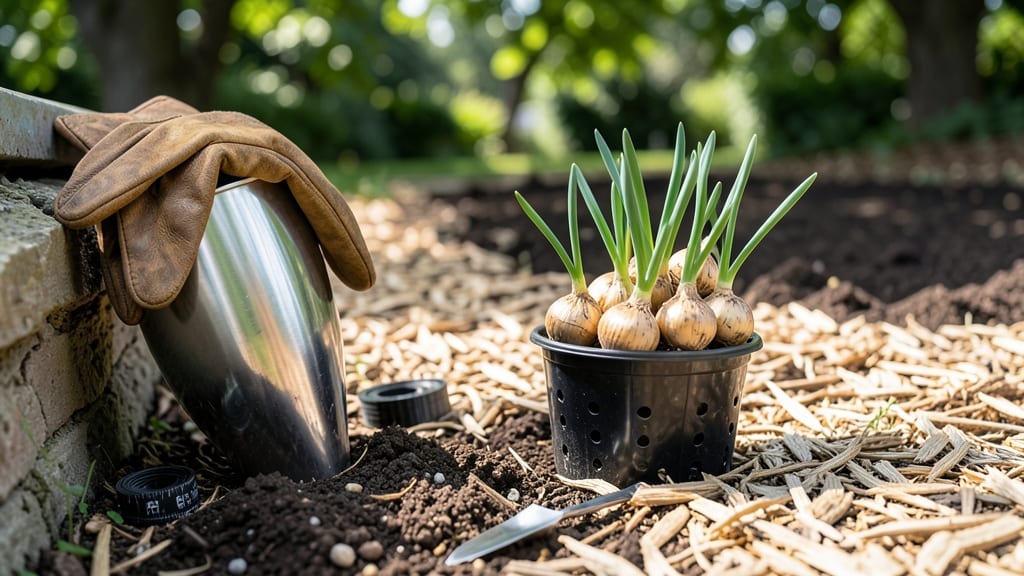
Planting daffodil bulbs in Zone 9 at the wrong time can mean the difference between a showstopping spring display and a sad, wilted disappointment. Unlike cooler climates where fall planting is a no-brainer, Zone 9 gardeners face unique challenges—like avoiding winter rains and ensuring bulbs get enough chill time without rotting in soggy soil.
Timing is everything, and in Zone 9 (think Southern California, Arizona, or Nevada), the sweet spot is late fall—specifically November through January. This window lets bulbs establish roots before the ground warms up, while still giving them the 6-8 weeks of cool weather they need to thrive.
Skip this, and you risk weak stems or no blooms at all.
But it’s not just about the calendar—soil temperature and moisture play critical roles. Too early, and your bulbs might sprout too soon; too late, and they won’t root deeply enough.
I’ll break down exactly how to read your soil’s cues, plus the 3 biggest mistakes Zone 9 gardeners make (and how to avoid them).
Ready to grow daffodils that bloom like crazy? Let’s dive into the perfect planting strategy for your climate—no guesswork, just vibrant 🌼 displays come spring.
Optimal late fall planting window for Zone 9 daffodils
In Zone 9, daffodil bulbs thrive when planted during the late fall window, typically between mid-October and mid-December. This timing ensures bulbs establish roots before summer heat arrives, setting the stage for stunning spring blooms.
Unlike cooler climates, Zone 9's mild winters mean you must avoid planting too early or late—both extremes can lead to weak growth or no flowers at all.
Your goal is to plant when soil temperatures drop to 60°F or below but before the ground becomes too hard. In most of Zone 9, this usually falls between November and early January.
For example, in Southern California, November is ideal, while in Arizona's higher elevations, December offers the best window.
Daffodils need 6-8 weeks of cool weather to form strong roots before spring growth begins. Planting too early (like September) can cause bulbs to sprout prematurely, only to wilt in summer heat. Waiting too long (like February) delays root development, resulting in smaller blooms or none at all.
Here’s how to adjust for early or late seasons: If your fall is unusually warm, opt for December planting. If winter arrives early, plant in late October. Always check your local frost-free date—Zone 9 typically avoids frost, but microclimates can vary.
Zone 9 Daffodil Planting Timeline
| Month | Ideal Planting Time | Soil Temp | Key Consideration |
|---|---|---|---|
| October | Late October (if cool) | 60-70°F | Risk of early sprouting; monitor soil moisture |
| November | Best window (peak time) | 50-60°F | Perfect balance for root growth |
| December | Ideal for warm microclimates | 45-55°F | Slower growth but safer for summer |
| January | Last chance (if dry) | 40-50°F | Risk of weak blooms; prioritize watering |
After planting, mulch with 2-3 inches of organic mulch (like straw or shredded leaves) to insulate bulbs and retain moisture. This is especially critical in Zone 9’s dry winters, where soil can dry out quickly. Avoid synthetic mulches—they trap too much heat and may stress bulbs.
Water newly planted bulbs deeply once a week until spring rains return. Daffodils store moisture in their bulbs, so overwatering can cause rot. Aim for 1 inch of water per week, delivered in the morning to reduce evaporation and fungal risks.
Once leaves emerge in spring, reduce watering slightly but keep soil moist. This encourages bulb maturation for next year’s blooms. In Zone 9’s hot summers, daffodils go dormant—never water at this stage, as it wastes resources and may attract pests.
Pro tip: Mark your planting spots with biodegradable flags or a garden map. Zone 9’s unpredictable rains can wash away mulch, making it easy to forget where bulbs are planted. Come spring, you’ll thank yourself for the clear reminders!
With the right timing, your Zone 9 daffodils will reward you with bold, cheerful blooms from March through May—proof that a little patience in fall pays off big time in spring. 🌼
How to prepare Zone 9 soil for daffodil bulbs before planting
Daffodils thrive in soil that mimics their Mediterranean roots—well-draining, slightly acidic, and rich in organic matter. In Zone 9, where winters are mild and summers scorching, your soil prep must focus on preventing rot while encouraging root growth.
Start by testing your soil’s drainage and pH—ideal levels are 6.0-7.0 pH and fast-draining to avoid soggy conditions that bulbs hate.
If your soil is clay-heavy or compacted, daffodils will struggle. Amend it with 30% compost and 20% perlite or coarse sand to improve aeration. For example, mix 1 part compost, 1 part native soil, and ½ part perlite for a perfect blend.
This mimics the rocky, well-drained soils of their native habitats.
⚠️ WARNING: Planting in soggy Zone 9 soil is a recipe for bulb rot! Unlike cooler climates, Zone 9’s mild winters mean bulbs can sprout too early if planted in wet conditions. Here’s how to avoid it:
Risk: Bulbs may sprout before roots establish, leading to weak stems or no blooms.
Fix: Wait until soil temps drop below 65°F (18°C)—typically late November to January in Zone 9. Test with a soil thermometer at 4" depth.
Next, adjust the pH level if needed. Daffodils prefer mildly acidic to neutral soil. Test your soil with a home pH kit—if it’s below 6.0, add crushed limestone (½ cup per square foot).
For alkaline soil (above 7.0), mix in sulfur or peat moss to lower the pH gradually.
Before planting, loosen the soil to a depth of 12 inches with a garden fork or tiller. This helps roots penetrate easily and prevents waterlogging. Add a 1-inch layer of compost to the top 6 inches of soil for nutrients. Avoid fresh manure—it can burn bulbs and attract pests.
Finally, mulch heavily after planting. Use 3-4 inches of straw or wood chips to insulate bulbs from temperature swings and retain moisture. In Zone 9, mulch also protects against sudden rain or hot winds that can stress young roots. Replenish mulch in late winter to support spring blooms.
With these steps, your Zone 9 soil will be bulb-ready, ensuring daffodils bloom vibrantly year after year. 🌼