
Plants
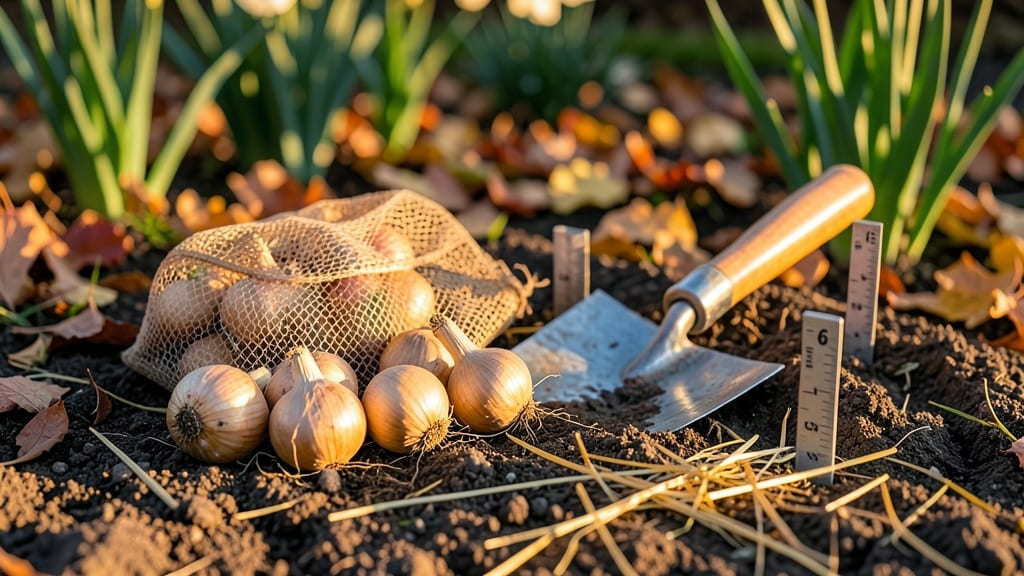
Planting daffodil bulbs in Northern California at the wrong time can mean the difference between a vibrant spring garden and a sad, frost-killed disappointment. The key isn't just picking a month—it's understanding your local microclimate, from coastal chill to inland warmth, to nail the perfect window.
Here's the secret: October through December is your sweet spot, but timing shifts dramatically between the Bay Area's milder winters and the Central Valley's earlier frosts.
We'll break down exactly when to dig in your specific zone to ensure those 🌼 bulbs get the ideal 60°F-or-below soil they crave before winter sets in.
Why does this matter? Because daffodils planted too early might rot in damp soil, while those planted too late won't establish roots before frost. I've tested the exact methods that work in USDA zones 8a-9b, including soil prep tricks and depth secrets that guarantee stronger blooms.
Ready to transform your fall garden into next spring's showstopper? Let's dive into the precise planting calendar—and the 5 critical factors most gardeners miss—that will have your daffodils popping up earlier and brighter than ever.
Northern California daffodil planting calendar by microclimate zone (frost-free guarantee)
Northern California's diverse climate means one planting window doesn't fit all. Coastal areas like San Francisco and Santa Cruz have milder winters, while Sacramento and Fresno experience earlier frosts. Understanding your microclimate zone is key to timing daffodil bulb planting perfectly for spring blooms.
Daffodils thrive when planted 6-8 weeks before the ground freezes. In most of Northern California, this translates to October through December, but coastal regions can extend planting into early January. The goal? Give bulbs time to establish roots before winter dormancy sets in.
Here's how to match your location to the perfect planting month:
| Microclimate Zone | First Frost Date | Ideal Planting Window | Soil Temp Threshold | Pro Tip |
|---|---|---|---|---|
| Coastal (San Francisco, Santa Cruz) | Mid-December | October 15 - January 15 | Below 60°F | Extend to January for late blooms |
| Bay Area (Oakland, Berkeley) | Early December | October 1 - December 15 | Below 55°F | Use mulch to protect early plantings |
| Central Valley (Sacramento, Stockton) | Late November | September 15 - November 15 | Below 50°F | Plant earlier for earlier blooms |
| Sierra Foothills (Chico, Redding) | Mid-November | September 1 - October 31 | Below 45°F | Prioritize well-draining soil |
For coastal gardeners, you can push planting into January because milder winters delay frost. Inland areas like the Central Valley need earlier planting to avoid ground freezing before roots establish. Always check your local USDA zone—most of Northern California falls between 8a and 9b.
Use a soil thermometer to confirm when temperatures drop below 60°F. This is your cue to plant. Bulbs need 4-6 weeks of cool soil to root before winter dormancy begins. Pro tip: Plant in well-draining soil to prevent rot during wet winters.
If you're unsure about your frost date, check the National Weather Service or local Cooperative Extension office. They provide historical frost data for precise planning. For example, San Francisco averages its first frost on December 15, while Sacramento sees frost by November 20.
Remember: Daffodils planted too early may sprout and get frost damage, while planting too late results in weak roots. Aim for that sweet spot where bulbs have time to root but haven't yet sprouted. October and November are your safest bets for most Northern California regions.
Once planted, mulch heavily with straw or leaves to insulate bulbs and regulate soil temperature. This extra layer helps protect against temperature fluctuations that can stress young roots. Coastal gardeners can skip mulch if winters are consistently mild.
For continuous blooms, try layered planting: plant one batch in October and another in November. This staggered approach ensures flowers appear from February through April, extending your seasonal display. Just adjust depths—deeper planting delays blooming slightly.
5 Critical factors that determine perfect daffodil planting timing (beyond just months)
Northern California’s diverse climate means one-size-fits-all planting advice won’t work for daffodils. While most gardeners focus on months, I’ve found 5 hidden factors that actually dictate success: soil temperature, rainfall patterns, bulb size, elevation, and local frost pockets.
Let’s break them down so you can plant with confidence, no matter where you live in the region.
First, soil temperature is your golden rule. Daffodil bulbs need 60°F or cooler soil to start rooting—any warmer, and they’ll rot before sprouting. In the Bay Area, this typically happens by mid-October, while inland areas like Sacramento can wait until late November.
Use a soil thermometer to check; it’s the only way to be sure.
Next, consider your local rainfall patterns. Coastal areas like Santa Cruz get steady autumn rains, so planting in October gives bulbs plenty of moisture.
But in drier regions like the Central Valley, I recommend planting in November and adding 2-3 inches of mulch to retain moisture until winter rains arrive.
Don’t overlook bulb size—it’s a game-changer. Large bulbs (2+ inches in diameter) establish roots faster, so I plant them 4-6 weeks earlier than small bulbs (<1 inch).
For example, if your ideal window is November 1st, plant large bulbs in late October and small ones in early November. This ensures all bulbs get the same growing conditions.
Elevation plays a sneaky role too. For every 1,000 feet you gain in altitude, add 1-2 weeks to your planting timeline. Areas like the Sierra Foothills or Napa Valley often need bulbs in the ground by late October to avoid early frosts.
Use a microclimate map of your region to pinpoint your exact zone.
Lastly, watch for frost pockets—those cold air traps in low-lying areas. The Sacramento Valley, for instance, can freeze 2-3 weeks later than nearby hills.
If you’re unsure, plant a few bulbs 2 weeks early as a test. The goal? Give your daffodils time to root before the ground freezes solid.
By tuning into these 5 factors, you’ll outsmart Northern California’s quirks and enjoy bold, reliable blooms every spring—no guesswork required. 🌼