
Plants
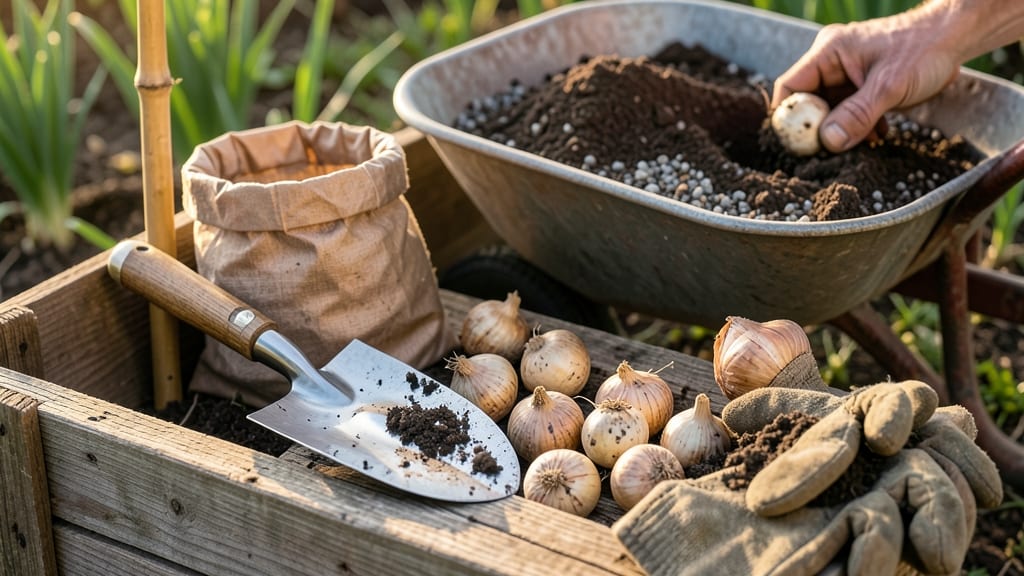
Planting daffodil bulbs at the wrong time in Seattle can mean the difference between a vibrant spring display and a missed opportunity—especially with our mild winters and unpredictable frost dates.
The key to success lies in understanding your local microclimate, whether you're in the rain-soaked West Seattle hills or the slightly warmer Eastside.
For zero-frost blooms, timing is everything—typically between late September and early November, when soil temperatures drop but before the ground freezes solid. This window ensures your 🌼 daffodils establish roots while still benefiting from fall rains, setting them up for a showstopping spring.
But Seattle’s variability means you’ll need to adjust based on your specific neighborhood.
I’ll walk you through the exact steps to plant your bulbs for maximum impact, including soil prep, depth, and how to protect them from Seattle’s wet winters.
Whether you're a beginner or a seasoned gardener, these tips will help you avoid common pitfalls and get the most out of your daffodils.
Ready to transform your garden? Let’s dive into the perfect planting schedule for Seattle’s climate, so you can enjoy those bright blooms come April or May without the guesswork.
Seattle’s ideal daffodil planting window: month-by-month breakdown
Seattle’s mild but unpredictable climate demands precision when planting daffodil bulbs. Unlike warmer regions, our USDA Zone 8a requires timing that accounts for soil temperature thresholds (40-50°F) and neighborhood-specific frost risks.
Plant too early, and bulbs may rot; too late, and they won’t establish roots before winter. The ideal window balances these factors for zero-frost blooms next spring.
Understanding microclimates is key—Eastside areas like Bellevue experience earlier frosts (late October) than West Seattle (mid-November). Urban heat islands near downtown can delay frost by 1-2 weeks, while sheltered gardens may stay frost-free longer. Adjust your planting schedule based on these local variations to maximize success.
| Month | Soil Temp (°F) | Planting Deadline | Microclimate Adjustments | Action Items |
|---|---|---|---|---|
| Late September | 50-60°F | Early October | Urban areas: wait 1 week | Test soil moisture; amend with compost |
| October | 40-50°F | Mid-October (Eastside) | Eastside: plant 2 weeks earlier | Plant bulbs 6" deep, 6" apart |
| November | 35-45°F | Early November (West Seattle) | West Seattle: extend to late Nov | Mulch with 2" straw; water lightly |
| December | 30-40°F | Not recommended | Avoid unless soil hasn't frozen | Protect with thick mulch; monitor frost |
For late September plantings, focus on soil preparation—Seattle’s clay-heavy soil benefits from amendments like sand or compost to improve drainage. Aim for 6-8 weeks before first frost (typically mid-November citywide), but adjust for your specific neighborhood.
Eastside gardeners should plant by October 15, while West Seattle can extend to November 1.
Soil temperature is your primary guide. Use a soil thermometer to confirm 40-50°F readings—ideal for root establishment. In urban areas, pavement radiates heat, potentially delaying frost by 7-10 days.
If your garden sits in a sheltered microclimate (e.g., near evergreens), you may plant 2 weeks later than the general timeline.
By mid-October, prioritize bulb depth and spacing: plant daffodils 6 inches deep and 6 inches apart to prevent rot and crowding. Water thoroughly after planting to settle soil around bulbs.
In West Seattle’s wetter climate, ensure containers have drainage holes to prevent waterlogging—a common issue for late-season plantings.
November plantings are riskier but possible if your area hasn’t experienced frost. Monitor local forecasts and plant only if soil remains above 35°F. Add 2 inches of mulch (straw or shredded leaves) to insulate bulbs.
In urban heat islands, mulch may not be as critical, but still protect against temperature fluctuations that can stress bulbs.
Never plant after November 15 unless you’re in a microclimate with delayed frost. Daffodils need 6-8 weeks of root growth before winter dormancy. If you miss this window, wait until early spring (March) for container plantings, though blooms may be smaller or delayed.
Pro tip: Label your plantings with the variety and planting date. Some daffodils (like Tête-à-Tête) bloom earlier than others, helping you track which varieties thrive in Seattle’s short growing season. Adjust future plantings based on what succeeds in your specific microclimate.
Remember, Seattle’s rain plays a role too. While October-November rains help establish roots, excessive moisture can cause rot. Amend heavy soil with organic matter and avoid planting in low-lying areas where water pools.
With the right timing and adjustments, your daffodils will reward you with vibrant spring blooms that defy Seattle’s famously unpredictable weather.
How to choose the perfect planting spot for zero-frost daffodils in Seattle
Seattle’s clay-heavy soil and variable microclimates demand careful planning when selecting a spot for your 🌼 daffodil bulbs. The right location ensures proper drainage, sunlight exposure, and protection from winter winds—key factors for zero-frost blooms.
I’ve planted daffodils in both raised beds and in-ground spots, and the difference in success is night and day.
For optimal growth, prioritize areas with 6+ hours of sunlight daily, especially in morning sunlight, which helps dry dew quickly and prevents fungal issues. Seattle’s West Side often gets more consistent sun, while Eastside gardens may benefit from afternoon shade to combat heat.
Always test your soil’s drainage—daffodils hate soggy roots, and our clay soil can trap moisture.
Pros:
- Superior drainage
- Warmer soil in spring
- Less compaction
- Easier soil amendment
Pros:
- Lower cost
- Natural soil structure
- Less maintenance
Cons:
- Higher initial cost
- Limited space
- Requires more watering
Cons:
- Poor drainage risk
- Cold soil delays growth
- Harder to amend
If your garden has poor drainage, raised beds are your best bet. They allow you to mix in compost and perlite to create a well-aerated growing medium. For in-ground planting, focus on slightly elevated areas where water naturally drains away.
I’ve seen daffodils thrive in sloped gardens or near patio edges where excess water runs off.
Wind protection is another critical factor in Seattle’s exposed gardens. Plant daffodils near hedges, fences, or shrubs to shield them from winter winds, which can dry out bulbs and stunt growth.
In my urban garden, I’ve used ornamental grasses like Miscanthus as natural windbreaks while adding texture to the landscape.
For maximum bloom potential, avoid planting near large trees that compete for nutrients and cast too much shade. Instead, opt for open lawns or mixed borders where daffodils can access sunlight without battling roots.
In container gardens, use large pots with drainage holes and plant bulbs in well-draining cactus/succulent mix for added insurance against soggy soil.
Remember, Seattle’s microclimates vary wildly—what works in Ballard may fail in Shoreline. Observe your garden throughout the year to identify the sunniest, driest spots, and adjust your planting plan accordingly. With the right location, your 🌼 daffodils will reward you with bold, frost-resistant blooms year after year.