
Plants
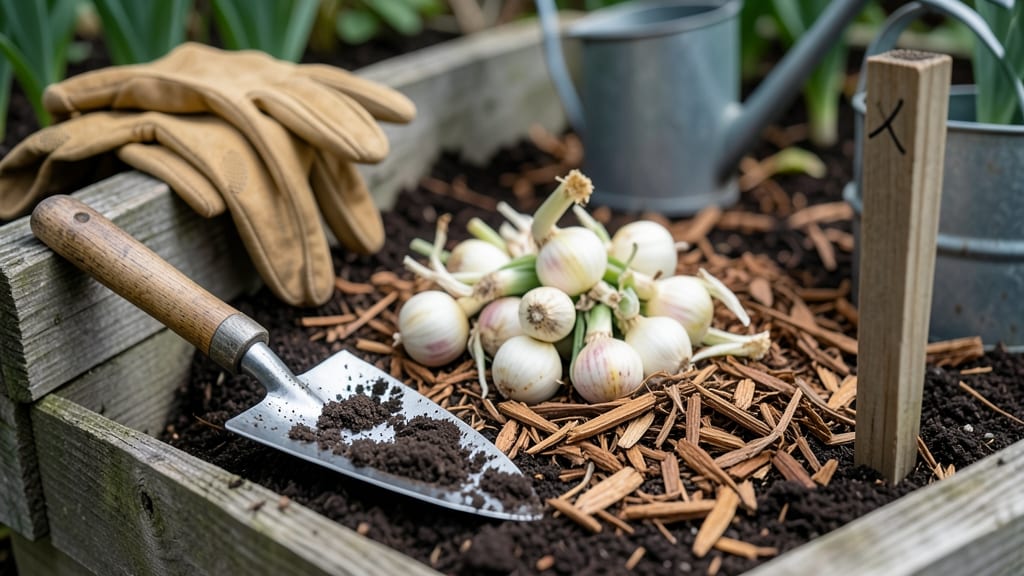
Planting daffodil bulbs in Texas isn't just about timing—it's about survival in our 8a-10a heat zones, where one wrong move can send your 🌼 bolting before they even bloom. Too early, and the heat zaps their energy; too late, and you risk weak roots before winter sets in.
I’ve learned the hard way that Texas gardeners need a different approach than those in cooler climates. The key isn’t just picking a month—it’s reading your local frost dates, soil temps, and even rainfall patterns to nail that October-December window without guesswork.
In this guide, I’ll break down the exact steps to plant your daffodils so they thrive—not just survive—through Texas winters. We’ll cover soil prep, heat-zone adjustments, and the best varieties that won’t bolt in our unpredictable climate.
Skip the trial-and-error: Let’s get your daffodils planted the right way, the first time. Your spring garden will thank you.
Texas heat zone 8a-9a planting timeline: exact months to avoid bolt risk
Texas gardeners know that timing is everything when planting daffodil bulbs. In Heat Zones 8a-9a, the window between scorching summer and freezing winter is narrow. Plant too early, and your bulbs may bolt prematurely from the heat.
Too late, and they won’t establish roots before winter chill sets in. The ideal planting window is late fall—when soil temperatures drop to 50-60°F—but Texas’ unpredictable climate demands precision.
For North Texas (Zone 8a), aim for mid-October to early November. In Central and South Texas (Zone 9a), shift your focus to late October to December.
These adjustments account for Texas’ variable rainfall and soil drying patterns, ensuring your daffodils thrive without risking bolt or frost damage.
Here’s your Texas-specific planting timeline, tailored to avoid bolt risk while maximizing spring blooms:
| Zone & Region | Optimal Planting Window | Soil Temp Threshold | Rainfall Tip | Bolt Risk Level |
|---|---|---|---|---|
| 8a (North Texas) | Mid-October to Early November | 50-60°F | Water deeply if <1 inch rain/week | Moderate (early heat spikes) |
| 9a (Central/South Texas) | Late October to December | 55-65°F | Monitor dry spells; mulch heavily | Low (longer fall warmth) |
| All Zones | Avoid planting after first frost | N/A | Use drip irrigation for consistency | High (frost damage) |
In North Texas (Zone 8a), the first frost typically arrives by December 15, so rush your planting by mid-November at the latest. For Central and South Texas (Zone 9a), you have more flexibility—planting through December is safe, as long as soil temps stay above 50°F.
Use a soil thermometer to confirm conditions; bulbs need 6-8 weeks to root before winter dormancy.
Texas’ variable rainfall adds another layer of complexity. In dry years, supplement nature with deep watering (1 inch per week) until the ground freezes. In wet years, prioritize well-draining soil to prevent bulb rot—a common Texas pitfall.
Mulch with 2-3 inches of straw after planting to retain moisture and regulate soil temps.
Watch for early heat spikes in October, which can trigger bolt risk. If daytime temps climb above 75°F, delay planting until nights cool below 65°F.
In South Texas (Zone 9a), these spikes are less common, but hurricane season can disrupt planting plans—schedule bulbs for October to avoid November storms.
Pro tip: Chill daffodil bulbs for 6-8 weeks before planting if your October weather stays warm. Store bulbs in a paper bag in the fridge to mimic winter conditions. This trick is especially useful in South Texas (Zone 9a), where mild winters can delay natural chilling.
Once planted, mark your daffodil beds with flags or stakes to avoid disturbing them in spring. Texas gardeners often overlook bulb care after planting, but minimal spring maintenance—like removing spent foliage after blooming—ensures next year’s vibrant flowers.
With this heat zone-specific timeline, your daffodils will bloom reliably, year after year.
🌼
How to prepare Texas soil for daffodil bulbs: 3 critical steps for first-time success
Texas soil can be tricky for daffodil bulbs—too much clay or alkaline pH leads to bulb rot and poor blooms. The key is creating a well-draining, slightly acidic environment that mimics their native European habitats.
Start by testing your soil's pH level—most Texas soils hover around 7.5-8.5, but daffodils thrive in 6.0-7.0. Without adjustments, your bulbs may struggle to absorb nutrients, leaving you with weak stems and sparse flowers.
Native Texas soil often lacks the organic matter daffodils crave. Sandy soils drain too quickly, while clay holds moisture that promotes rot. The solution? Amend your beds with composted materials like leaf mold or well-rotted manure.
Aim for a 25-30% organic mix—this improves water retention without suffocating roots. For heavy clay, consider raised beds or mounded soil to prevent waterlogging during Texas' unpredictable rains.
Texas Soil vs. Ideal Daffodil Conditions
| Factor | Texas Soil (Typical) | Ideal for Daffodils |
|---|---|---|
| pH Level | 7.5-8.5 (alkaline) | 6.0-7.0 (slightly acidic) |
| Drainage | Poor (clay) or too fast (sand) | Well-draining with moisture retention |
| Organic Matter | Low (1-5%) | High (25-30%) |
| Nutrient Availability | Limited (alkaline locks out nutrients) | Balanced (pH allows absorption) |
🌱 Pro Tip: Use sulfur or pine needles to lower pH gradually—never rush adjustments, as sudden pH shifts can harm bulbs.
Next, focus on drainage modifications. Daffodils hate soggy feet, and Texas' heavy rains or irrigation can drown bulbs in as little as 48 hours. If your soil is clay-heavy, mix in perlite or coarse sand (up to 20% of the soil volume) to create air pockets.
For sandy soils, add peat moss or coconut coir to retain moisture. Always plant bulbs in mounds or raised beds if your yard floods during winter rains—a common issue in Heat Zone 9a.
After amending, conduct a simple percolation test: Dig a 12-inch hole, fill it with water, then time how long it takes to drain. Ideal drainage should take 4-6 hours.
If water pools or drains too quickly (<2 hours), adjust your soil mix before planting. Remember, daffodils need 6-8 hours of sunlight daily, but their roots must never sit in standing water—this combo prevents both rot and nutrient starvation.
Finally, integrate bulb-specific fertilizers at planting time. Use a low-phosphorus blend (like 5-10-10) to avoid encouraging leafy growth over blooms. Work the fertilizer into the bottom 2 inches of soil where new roots form.
Top with 1-2 inches of mulch (straw or shredded bark) to insulate bulbs from Texas' temperature swings. This mulch layer also suppresses weeds, which compete for nutrients your daffodils need to thrive.
With these three steps—pH adjustment, drainage optimization, and organic enrichment—your Texas soil will mimic the ideal conditions daffodils crave. The result? Vibrant blooms that return year after year, even in our challenging climate.
Just remember: patience is key—don't rush soil prep, or you'll risk setting your bulbs up for failure before they even sprout.