
Plants
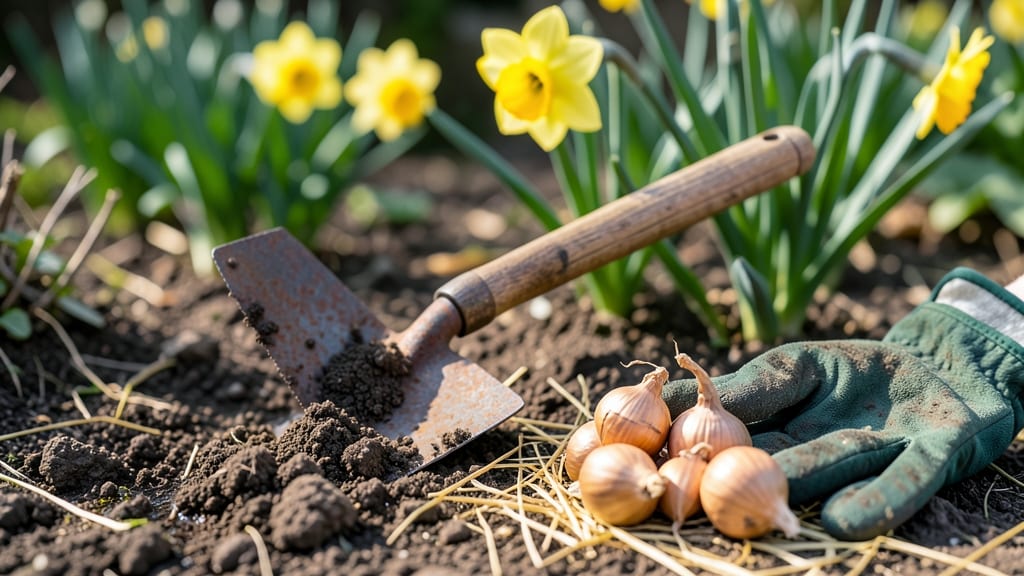
Planting daffodil bulbs in Wisconsin isn't just about timing—it's about perfecting the window between Wisconsin’s first frost and the ground freezing solid. Get it wrong, and your 🌼 might rot before spring, or worse, fail to bloom at all.
The secret lies in those crisp September and October days when soil temps hit just right, giving roots time to anchor before winter sets in.
Most gardeners in zones 4a-5b swear by mid-to-late September as the sweet spot, but Wisconsin’s unpredictable weather means flexibility is key. Too early, and your bulbs may sprout prematurely; too late, and they won’t establish roots before the ground locks up.
I’ll show you exactly how to read Wisconsin’s frost dates and soil cues to nail the ideal planting window every time.
Beyond timing, Wisconsin’s clay-heavy soil and chilly winters demand extra care. We’ll cover soil prep tricks, planting depth secrets, and companion plants that protect your daffodils from rodents and frost heave. Whether you’re a first-timer or a seasoned gardener, these tips will help your 🌼 thrive year after year.
Ready to transform your Wisconsin garden into a springtime sea of golden blooms? Let’s dive into the critical steps that separate successful daffodil planting from disappointment—starting with the perfect moment to put those bulbs in the ground.
Wisconsin’s optimal daffodil planting months by hardiness zone
Timing is everything when planting daffodil bulbs in Wisconsin, where USDA zones 3-5 experience dramatic temperature swings. The key is planting when soil temperatures drop to 40-50°F—this gives bulbs time to root before winter frost sets in.
In northern Wisconsin (zone 3), your window is shorter, while southern regions (zone 5) offer more flexibility.
Wisconsin’s first frost dates vary wildly: northern areas like Duluth often see frost by mid-September, while Madison typically holds off until late October. This means your planting window shifts from late August in the south to early October in the north.
Always aim to plant 4-6 weeks before ground freeze.
Here’s your zone-specific planting guide with soil temperature thresholds and frost-free calculations:
| USDA Zone | Ideal Planting Window | Soil Temp Threshold | Frost-Free Calculation | Local Examples |
|---|---|---|---|---|
| Zone 3 (Northern WI) | Late September - Early October | 40-45°F | Plant 5-6 weeks before mid-October frost | Duluth, Superior, Hayward |
| Zone 4 (Central WI) | Mid-September - Mid-October | 45-50°F | Plant 4-5 weeks before late October frost | Wausau, Rhinelander, Stevens Point |
| Zone 5 (Southern WI) | Early September - Late October | 50-55°F | Plant 4-6 weeks before mid-November frost | Milwaukee, Madison, Janesville |
For zone 3 gardeners, late September is your best bet—soil temperatures typically hit 45°F by then, and bulbs can establish roots before winter. In zone 5, you have more wiggle room, but avoid planting after mid-October unless you’re using winter mulch protection.
Check your local frost-free dates using the USDA Plant Hardiness Zone Map (available at planthardiness.ars.usda.gov). Pro tip: Use a soil thermometer to confirm temperatures—Wisconsin’s clay-heavy soils can stay warm longer than expected.
If you’re in zone 4 or 5 and miss the fall window, you can plant daffodils in early spring (March-April), but bulbs won’t bloom until the following year. This is risky in Wisconsin’s unpredictable climate, so fall planting is always preferred.
For northern Wisconsin gardeners, consider early-blooming varieties like ‘Ice Follies’ or ‘Tête-à-Tête’—they thrive in cooler soils and often push through snow for early spring color. In southern zones, you can experiment with late-season bloomers like ‘Peach Soufflé’ for extended displays.
Always plant bulbs 6 inches deep and 6 inches apart in well-draining soil. Wisconsin’s clay soils can cause rot, so amend with compost or sand if needed. After planting, water thoroughly to settle the soil and encourage root growth before winter sets in.
Remember: Daffodils need chill hours to bloom, so planting too late in fall (or too early in spring) can result in poor or no flowering. Aim for that 40-50°F soil window, and you’ll be rewarded with vibrant spring blooms that outshine Wisconsin’s unpredictable weather.
Wisconsin’s optimal daffodil planting months by hardiness zone
Wisconsin’s USDA hardiness zones 4a-5b create distinct planting windows for daffodils, where timing directly impacts root establishment and spring blooms. In northern Wisconsin (zones 4a-4b), aim for late September to early October—when soil temps drop to 40-50°F—to give bulbs time to root before the ground freezes.
Southern Wisconsin (zones 5a-5b) has a slightly extended window, with mid-September to mid-October being ideal.
Use Wisconsin’s average first frost dates as your guide: northern regions typically see frost by mid-October, while southern areas hold off until late October.
Planting 4-6 weeks before frost ensures roots anchor deeply, but avoid planting when soil temps exceed 60°F, as bulbs may sprout prematurely and rot in Wisconsin’s unpredictable fall weather.
| Zone | Ideal Planting Window | Soil Temp Threshold | Frost Risk |
|---|---|---|---|
| 4a (North) | Late Sept - Early Oct | 40-50°F | High after Oct 15 |
| 4b (Central) | Mid-Sept - Late Oct | 45-55°F | Moderate after Oct 20 |
| 5a-5b (South) | Mid-Sept - Mid-Oct | 50-60°F | Low after Oct 25 |
Check Wisconsin’s local frost charts (like those from the Wisconsin State Climatology Office) for your specific area. For example, Milwaukee (zone 5b) can safely plant until mid-October, while Minneapolis (zone 4b) should finish by early October.
Pro tip: Use a soil thermometer to confirm temps—Wisconsin’s clay soil retains heat longer than sandy areas.
If you’re forcing daffodils indoors, plant bulbs 8-10 weeks before your desired bloom date (e.g., late July for Christmas blooms). Wisconsin’s short growing season makes this trick especially rewarding—just ensure bulbs get 12-14 hours of darkness daily to trigger flowering.
For container gardening, plant bulbs in pots by late September and keep them outdoors until soil freezes. Move containers to an unheated garage or shed to simulate winter chilling, then bring them back indoors for blooms.
This works well for balcony gardens in Madison or Green Bay where space is limited.
Remember: Daffodils thrive on cold—the more winter chill they get (120-150 days below 40°F), the bigger and brighter your spring blooms will be. Wisconsin’s climate delivers this perfectly, but timing your planting ensures your bulbs don’t miss out.