
Plants
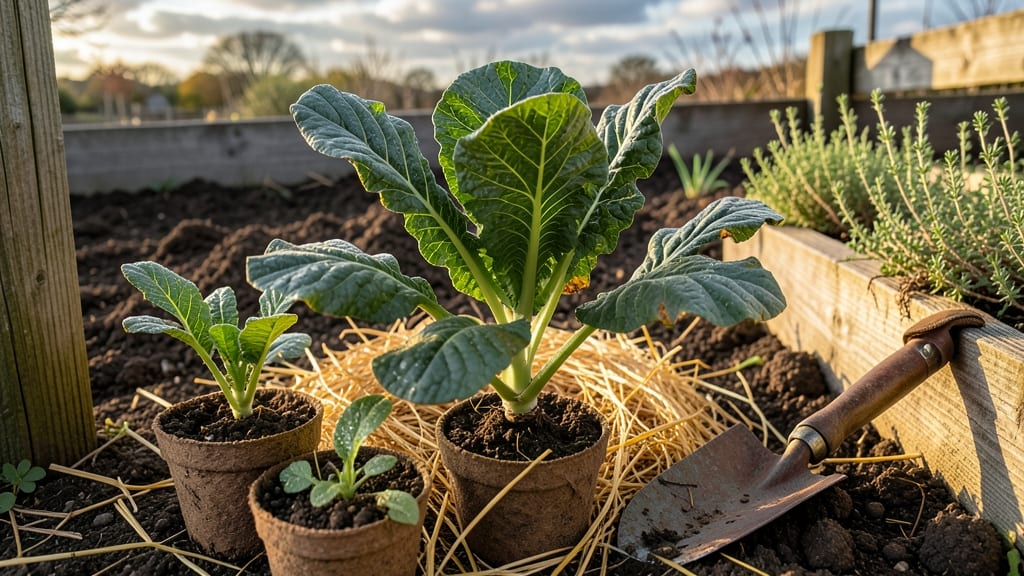
Planting collard greens at the wrong time in South Carolina can turn your 🌱🌱 dreams into bitter-tasting disappointment—but timing them right unlocks a harvest that lasts from fall through winter.
The key is understanding how SC's mild winters actually work in your favor, letting you grow these cold-hardy greens when most gardens are dormant.
Most gardeners in Heat Zones 8a/8b make the mistake of waiting too late for spring or planting too early in fall. But collards thrive when temperatures dip, so the sweet spot is actually late summer through early fall, giving them time to mature before winter sets in.
I'll show you exactly when to get those seeds in the ground for maximum flavor and yield.
Whether you're direct sowing or transplanting, getting the timing right means the difference between tender, sweet leaves and tough, bitter ones. We'll cover soil temperature tricks, frost protection tips, and how to stretch your harvest season—because in SC, you can grow collards almost year-round if you play it smart.
Ready to grow collards that taste like they came from a farmers' market? Let's dive into the perfect planting schedule for your South Carolina garden, so you can enjoy homegrown greens from September straight through to spring.
Optimal planting windows for collard greens in SC Heat Zones 8a/8b
South Carolina’s Heat Zones 8a/8b offer a perfect climate for growing collard greens, thanks to its mild winters and long growing season. Unlike many vegetables, collards thrive in cooler temperatures and can even tolerate light frosts, making them ideal for both fall and spring planting.
Timing your planting correctly ensures sweet, tender leaves instead of bitter, tough growth.
The key to success is understanding your last frost date (typically around March 15 in Zone 8a and March 1 in Zone 8b) and your first frost date (usually November 15 in both zones).
Planting too early or too late can lead to stunted growth or poor flavor, so let’s break down the best windows for your SC garden.
🌱 Collard Green Planting Schedule for SC (Zones 8a/8b)
| Season | Planting Window | Soil Temperature | Key Notes |
|---|---|---|---|
| Spring | March 15 - April 30 | 55°F - 65°F | Start seeds indoors 6-8 weeks before last frost or direct sow after soil warms. |
| Fall | August 1 - September 15 | 60°F - 75°F | Best for sweetest leaves; plant 8-10 weeks before first frost for harvest. |
| Winter (Cold-Hardy) | October 1 - November 15 | 45°F - 55°F | Use row covers for protection; collards can survive 20°F with cover. |
*Adjust dates by 1-2 weeks for Zone 8b (warmer microclimates like Charleston).
For spring planting, start seeds indoors in late February if you’re eager to get a head start. Transplant seedlings outdoors once soil temperatures reach 55°F and all danger of frost has passed.
In Zone 8b, you can push this window slightly earlier, especially in coastal areas where winters are milder.
Fall planting is often the most rewarding time for collards in SC. Plant seeds directly in the garden from August through early September to ensure a harvest before winter sets in. The cooler fall temperatures actually sweeten the flavor of collards, making them a garden favorite.
Aim to have mature plants in the ground by mid-October to enjoy a full harvest before frost.
Don’t overlook the winter planting opportunity! Collards are one of the most cold-hardy greens you can grow, and SC’s mild winters provide the perfect environment. Sow seeds in late September or October for a harvest that lasts through winter.
Use mulch or row covers to protect young plants from unexpected cold snaps, which can drop temperatures below 20°F in some inland areas.
If you’re unsure about your exact last frost date, check with your local Cooperative Extension Service or use a frost calendar for your specific county. For example, Charleston (Zone 8b) typically has a later last frost than Greenville (Zone 7b), so adjust your timing accordingly.
Planting at the right time ensures your collards have enough time to mature before extreme heat or cold sets in.
Pro tip: Use a soil thermometer to check temperatures before planting. Collard seeds need soil that’s at least 50°F to germinate properly. If your soil is too cold, wait a few more days or use black plastic mulch to warm it up faster.
This small step can make the difference between a thriving crop and a failed planting.
Remember, collards are biennial plants, meaning they can produce leaves for two years if cared for properly. By planting at the optimal times outlined above, you’ll set your garden up for success and enjoy a steady supply of nutrient-rich greens all season long. Happy planting!
Optimal planting windows for collard greens in SC Heat Zones 8a/8b
South Carolina’s mild winters and long growing season make it perfect for collard greens, but timing is everything. In Heat Zones 8a/8b, you’ve got two prime windows: early spring and late summer.
Spring planting starts when soil temps hit 50°F (10°C), typically mid-March to early April. Fall planting should begin 6-8 weeks before first frost, usually late July to early August.
Collard greens are cold-hardy and can tolerate light frosts, but they won’t thrive in extreme heat. Avoid planting during summer’s peak (June-July) when temps exceed 90°F (32°C).
Instead, opt for fall succession planting to extend your harvest into winter. This two-season approach ensures you get sweet, tender leaves year-round.
Here’s your SC-specific planting schedule broken down by season, including soil temp requirements and frost considerations:
| Season | Planting Window | Soil Temp | Frost Risk | Key Notes |
|---|---|---|---|---|
| Spring | Mid-March to Early April | 50°F (10°C) minimum | Low (after last frost) | Direct sow or transplant seedlings; harvest by late fall. |
| Fall | Late July to Early August | 60°F (15°C) minimum | Moderate (light frost tolerance) | Succession plant every 2 weeks for continuous harvest. |
| Winter | Late August (transplant only) | 45°F (7°C) minimum | High (cold-hardy varieties only) | Use row covers for extra protection; harvest before hard freezes. |
For direct sowing, scatter seeds ½ inch deep and 12 inches apart in rows 18 inches apart. If transplanting, choose 4-6 week old seedlings and space them 12-18 inches apart.
This spacing gives plants room to bolt less and produce larger, sweeter leaves. Mulch with straw or leaves to retain moisture and regulate soil temps.
Pro tip: Test your soil before planting—collard greens prefer slightly acidic soil (pH 6.0-6.8). Amend with compost or aged manure if your soil is heavy clay, which is common in SC’s Piedmont region. Well-draining soil prevents root rot and ensures steady growth.
Remember, collard greens grow best in cool weather, so plan your harvest to coincide with fall and winter. With the right timing, you’ll enjoy homegrown greens from October through March, even in South Carolina’s mild climate.
Start early, and you’ll be feasting on homegrown collards long after your neighbors’ gardens go dormant! 🌱