
Plants
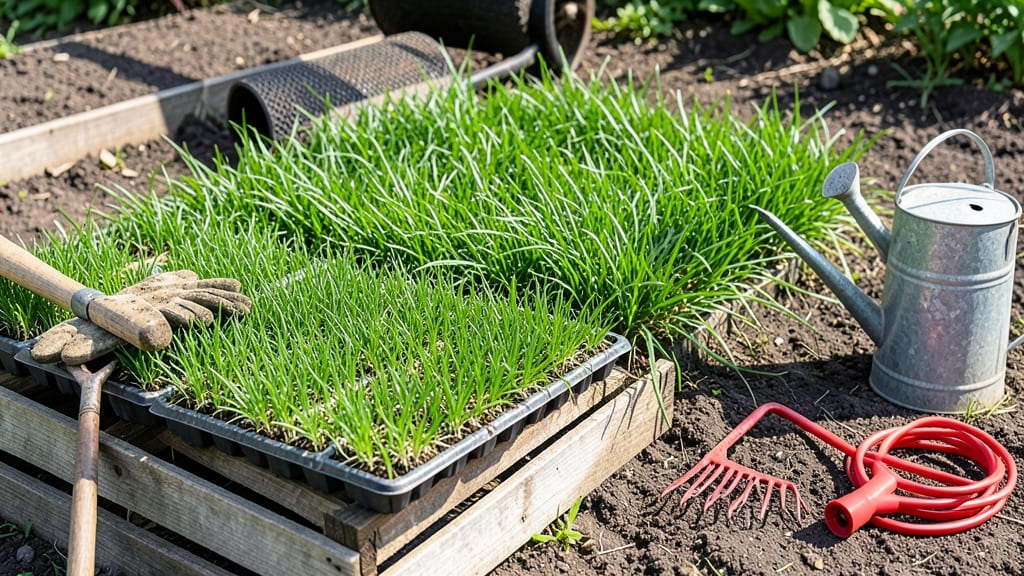
Planting Bermuda Grass seed at the wrong time in South Carolina can turn your dream of a lush, green lawn into a frustrating patchwork of dirt and weeds.
The key to success isn't just choosing the right seed—it's understanding when to plant based on soil temperature and heat zones that define your region.
Most gardeners in 7b-8b zones wait until late spring or early summer, but that's not always the best approach. Bermuda Grass 🌱 thrives in heat, but it needs the ground to warm up first—typically around 70°F—before seeds will germinate properly.
Plant too early, and you risk frost damage or slow growth that leaves your lawn vulnerable to weeds.
I've learned from years of trial and error that timing matters more than most people realize. Whether you're in coastal Charleston or the inland Upstate, the right window can mean the difference between a lawn that fills in beautifully and one that struggles to take hold.
Let me show you exactly when to plant for maximum success in your specific part of the state.
You'll discover how to check soil temperature, avoid common mistakes, and even adjust your approach if you missed the ideal planting window. With the right strategy, you can have that thick, drought-resistant Bermuda Grass lawn you've been dreaming of—without the guesswork.
Best planting months for Bermuda grass seed in South Carolina based on soil temperature
If you're dreaming of a lush, heat-loving Bermuda grass lawn in South Carolina, timing your planting is the single most critical factor for success.
Unlike cool-season grasses, Bermuda thrives in warm soil—and planting too early can leave your seeds sitting dormant in cold ground, while waiting too long risks summer drought stress. Let's break down the perfect planting windows based on your local climate zone.
South Carolina spans USDA hardiness zones 7b through 8b, meaning frost dates vary dramatically from the coastal Lowcountry (warmer, longer growing season) to the Upstate Piedmont (cooler nights, shorter season).
For most of the state, your best bet is to plant Bermuda grass seed when soil temperatures consistently hit 70°F or higher—typically between late April and early June.
However, coastal areas like Charleston can start as early as mid-March, while inland zones like Greenville may need to wait until late May.
🌱 Pro Tip: Use a soil thermometer (available for ~$15) to check depths of 2–4 inches. If temperatures dip below 65°F at night, your seeds won’t germinate—no matter how much you water them.
| Planting Window | Soil Temp Requirement | Best For | Risk Level |
|---|---|---|---|
| Late April–Early May | 68–72°F | Coastal SC (Charleston, Hilton Head) | Low (warmest zones) |
| Mid-May | 70–75°F | Midlands (Columbia, Florence) | Moderate |
| Late May–Early June | 72–78°F | Upstate (Greenville, Spartanburg) | High (coolest zones) |
| Late Summer (Aug–Sept) | 75–80°F | Overseeding only | Moderate (drought risk) |
🌡️ Key: Soil temp must stay above 65°F for 7+ days before planting.
While spring is the prime window for planting Bermuda grass seed, some gardeners opt for a late summer overseeding (August–September) to fill in thin spots. However, this method requires extra vigilance—you’ll need to water daily during the hottest part of summer to prevent seed desiccation.
If you miss spring, sod may be a better option—it establishes faster and holds up better to heat stress.
One common mistake I see is planting Bermuda grass seed too early in hopes of an earlier lawn. Seeds planted in April before soil warms often rot or fail to germinate, leaving you with bare patches.
Conversely, waiting until July or August risks summer drought—your new seedlings may dry out before roots establish. The sweet spot is when daytime highs hit 80°F+ but nights stay above 60°F.
For coastal South Carolina, where humidity is high year-round, aim for early May planting. The extra warmth helps Bermuda grass outcompete weeds early. Inland areas should wait until late May to avoid late-spring frost surprises.
Always check your local Cooperative Extension Service for microclimate updates—some years, a cold snap in early June can delay planting by weeks.
If you're in USDA Zone 8a (like the Grand Strand), you might even squeeze in a second planting in September for a fall lawn. But for most of the state, one spring planting is plenty—Bermuda grass spreads aggressively once established, filling in thin areas naturally over time.
Remember: Bermuda grass is a warm-season perennial, meaning it goes dormant in winter. Planting too late in the season won’t kill it, but it’ll struggle to root deeply before the first frost.
For a thick, resilient lawn, prioritize soil temperature over calendar dates—your thermometer is your best friend!
🌱 For a head start, consider sod instead of seed if you’re planting in late spring. Sod establishes in 2–3 weeks vs. 4–6 weeks for seed, and it won’t wash away in summer rains.
Best planting months for Bermuda grass seed in South Carolina based on soil temperature
South Carolina’s humid subtropical climate means Bermuda grass thrives here—but timing your planting is critical. The ideal window is when soil temperatures consistently stay above 70°F, which typically aligns with late April to early June in most of the state.
Coastal areas like Charleston may see this shift slightly earlier, while inland regions like Greenville might need to wait until early May.
Bermuda grass is a warm-season grass, meaning it goes dormant in cooler months. Planting too early—before the last frost (usually around March 15)—can stunt germination.
Conversely, waiting until July or August risks heat stress on young seedlings. The sweet spot is May, when temperatures are stable and rain is abundant.
Soil temperature is your best guide: Use a soil thermometer to confirm readings. For optimal germination, aim for 75–85°F at a 4-inch depth. In South Carolina’s USDA zones 7b–8b, this usually happens by mid-May. Coastal zones (like Myrtle Beach) may hit these temps by late April, while Piedmont areas (like Columbia) might need to wait until early June.
If you miss the primary window, don’t panic. Bermuda grass can also be overseeded in late summer (August–early September) for a fall establishment. However, growth will be slower, and you’ll need to protect seedlings from early frosts.
For instant results, consider sod instead of seed—it establishes faster and handles late plantings better.
Pro tip: Use a weather forecast tool like the National Weather Service or local agricultural extensions to track 10-day soil temp trends. Aim to plant when nighttime temps stay above 60°F—this ensures consistent growth without stress.
In South Carolina’s heat, patience pays off for a thick, lush lawn.
Remember, Bermuda grass spreads aggressively once established, so timing your seed correctly avoids competition from weeds. Start early, monitor soil temps, and you’ll be rewarded with a drought-resistant lawn that handles SC’s summers like a pro. 🌱☀️