
Plants
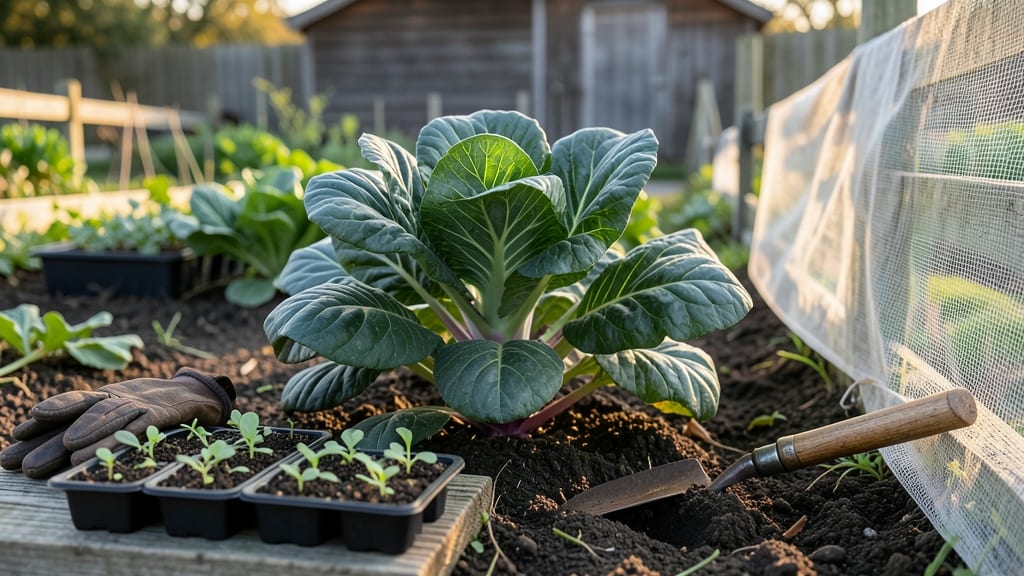
Planting collard greens in Tennessee at the wrong time can turn your garden into a bitter disappointment—unless you know the exact deadlines to avoid frost damage and heat stress. With USDA Zone 7a's mild winters and long growing season, these leafy greens thrive when planted strategically, but timing is everything for sweet, tender harvests.
Most gardeners in Tennessee rush to plant too early, only to watch their 🥬 collard greens bolt or wilt under summer heat. The secret?
Start seeds indoors 4-6 weeks before your last frost date (typically mid-March) for spring crops, or sow directly in late summer (August-September) to beat the first frost in November. This ensures your greens mature before Tennessee’s unpredictable weather shifts.
What you’ll discover here are the precision planting windows tailored to Heat Zone 7a, plus how to extend your harvest through fall’s cooler months.
Whether you’re a first-time gardener or a seasoned pro, these tips will help you avoid common mistakes and enjoy collards from May through November—no frost risk required.
Ready to grow collards that taste sweeter and last longer? Let’s break down the step-by-step schedule that works for Nashville, Knoxville, and everywhere in between—so you can finally stop guessing and start harvesting.
Optimal planting windows for collard greens in Tennessee’s heat zone 7a
Tennessee’s Heat Zone 7a offers gardeners a unique advantage for growing collard greens—mild winters and warm summers create ideal conditions when timed correctly. Unlike heat-sensitive crops, collards thrive in cool temperatures but can handle Tennessee’s summer heat if planted strategically.
The key is avoiding extreme heat stress and late-season frosts, which can ruin your harvest.
For spring planting, focus on the 4-6 weeks before your last frost date—typically mid-March to early April in most of Tennessee. This gives seedlings time to establish roots before summer heat arrives.
In fall, aim for 6-8 weeks before the first frost, usually late August to mid-September, to ensure mature plants before winter sets in.
| Planting Window | Ideal Months | Key Considerations | Harvest Window |
|---|---|---|---|
| Spring Planting | March - Early April | 4-6 weeks before last frost; avoid heat stress by using shade cloth if temps exceed 85°F. | May - June |
| Fall Planting | Late August - Mid-September | 6-8 weeks before first frost; use row covers for early frosts to extend harvest. | October - November |
| Late Summer Succession | Early July - Mid-August | Plant heat-tolerant varieties; provide afternoon shade and consistent watering. | September - October |
In Heat Zone 7a, Tennessee’s last frost typically occurs around March 15, but this can vary by 5-7 days depending on elevation and microclimates. For example, Nashville’s average last frost is March 10, while Chattanooga’s is closer to March 20.
Always check your local USDA frost map or consult your county extension office for precise dates.
For fall planting, prioritize heat-tolerant varieties like Blue Max or Georgia Southern, which can handle Tennessee’s summer heat better than traditional types. Start seeds indoors in early July and transplant outdoors in late July to give them a head start before temperatures drop.
This succession planting strategy ensures a continuous harvest from late summer through fall.
One common mistake in Tennessee is planting collards too early in spring or too late in fall. Early spring seedlings may bolt prematurely if exposed to unseasonable warmth, while late fall plants risk frost damage before reaching maturity.
To avoid this, use row covers or cold frames to protect young plants during unpredictable temperature swings.
When planning your planting schedule, also consider Tennessee’s summer humidity. Collards thrive in 60-70% humidity but can suffer from powdery mildew if conditions become too damp. Space plants 12-18 inches apart to improve air circulation and reduce disease risk.
In high-humidity areas like Memphis, consider drip irrigation to keep foliage dry and prevent fungal issues.
For gardeners in western Tennessee, where summers are hotter, focus on shade-cloth protection during peak afternoon heat. A 30-50% shade cloth can reduce leaf stress and maintain tender, flavorful greens.
In eastern Tennessee, where nights are cooler, you may extend your fall harvest into December with proper winter mulching and row covers.
Finally, don’t overlook soil preparation—collards prefer well-draining, slightly acidic soil with a pH of 6.0-7.0. Amend your soil with compost or aged manure before planting to ensure nutrient-rich conditions. In Tennessee’s clay-heavy soils, mix in sand or peat moss to improve drainage and prevent root rot.
By following these Heat Zone 7a-specific guidelines, you’ll maximize your collard green yield and enjoy sweet, tender leaves from spring through fall—even in Tennessee’s challenging climate.
Start with the right planting window, protect your plants from extreme conditions, and you’ll reap the rewards of a homegrown harvest all season long. 🥬
Optimal planting windows for collard greens in Tennessee’s heat zone 7a
Tennessee’s Heat Zone 7a offers two prime windows for planting collard greens: early spring and late summer. These periods align with the plant’s cool-season preferences while avoiding extreme heat or frost.
Spring planting typically starts 4-6 weeks before your last frost date, usually around mid-March in most regions, while fall planting begins 6-8 weeks before the first frost, often in late August.
Timing is critical—planting too early risks frost damage, while late planting can lead to bolting or bitter leaves.
For Nashville (Zone 7a), the last frost date averages March 15, making February 20 the ideal start date for spring collards. In Chattanooga (Zone 7b), slightly warmer microclimates may extend the window to March 1.
Always check your local frost-free dates for precision, as even a few degrees can shift your planting timeline.
🌱 Collard Greens Planting Timeline for Tennessee (Heat Zone 7a)
| Season | Planting Window | Key Deadlines | Harvest Window |
|---|---|---|---|
| Spring | February 20 - March 31 | Last frost: ~March 15 | May - June |
| Fall | August 15 - September 15 | First frost: ~November 15 | October - November |
| Winter (Protected) | October 1 - November 15 | With row covers | December - February |
Note: Adjust dates 1-2 weeks earlier for higher elevations (e.g., East Tennessee) and later for warmer microclimates (e.g., Memphis).
If you miss the ideal windows, don’t despair—succession planting works well for collards. Sow seeds every 2-3 weeks during spring and fall to ensure a continuous harvest.
For example, plant a second batch in early April for a late-spring crop, or a third batch in early September to extend your fall harvest into November. This strategy maximizes your garden’s potential and minimizes wasted space.
Direct sowing is the preferred method for collards, as they transplant poorly. Start seeds ¼-inch deep in well-draining soil with a pH of 6.0-7.0. Space seeds 12-18 inches apart in rows 2 feet apart to allow for adequate airflow and leaf expansion.
Thin seedlings to the strongest 6-8 plants per foot once they reach 3-4 inches tall, as overcrowding leads to disease and poor yields.
For gardeners in East Tennessee, cooler microclimates may allow for an extended fall harvest. Plant a late-summer batch by August 1 and use row covers after the first frost to protect tender leaves.
In West Tennessee, where summers are hotter, focus on early fall plantings (late July) to avoid heat stress, which can cause leaves to bolt prematurely.
Always monitor your local weather forecasts in the weeks leading up to planting. A sudden cold snap in spring or an early frost in fall can derail your plans. If frost threatens, cover seedlings with frost cloth or a lightweight blanket to protect them until temperatures rise.
With the right timing, your collard greens will thrive in Tennessee’s climate, delivering sweet, tender leaves for months.