
Plants
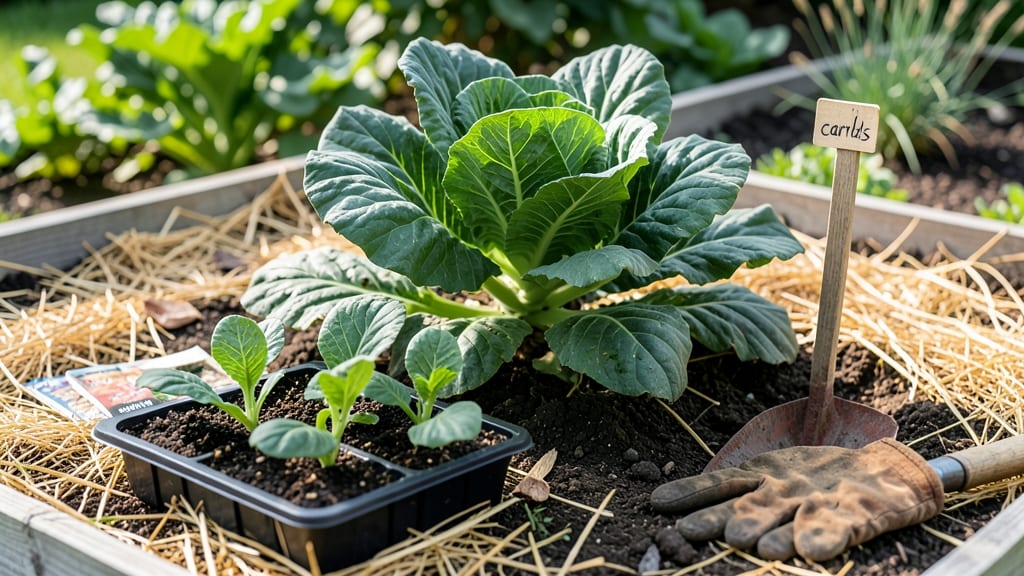
Planting collards in Georgia at the wrong time can mean bitter leaves or a bolted plant before you even taste your harvest.
The key to success in Heat Zone 8A lies in understanding those frost-free windows—because unlike northern gardeners, you’ve got just 210-240 days to work with before winter arrives.
Most Georgia gardeners know spring planting works, but the real secret is late summer to early fall—when temperatures drop just enough for collards to thrive. This second planting window (July–September) often yields sweeter, more tender leaves than spring crops, especially if you protect them from early frosts.
I’ll show you exactly how to time it right.
You might assume collards are a cool-season crop that only works in spring, but in Zone 8A, they can actually overwinter with the right care. The trick?
Planting after July 15th gives them time to establish roots before cooler weather sets in, while avoiding the brutal August heat that stresses young plants.
Let’s break down the exact dates, soil prep tips, and frost protection hacks that’ll keep your 🥬 collards productive from October through December—no guesswork, just Georgia-proven results. Ready to grow the best collards of your life?
Optimal collard planting dates in Georgia’s heat zone 8A (with frost-free deadlines)
Georgia’s Heat Zone 8A offers a unique advantage for growing collards—its extended frost-free season and mild winters. However, getting the timing right is critical. Plant too early, and your cool-season crop will bolt in the heat; too late, and you’ll miss the harvest window before frost.
The key lies in understanding Georgia’s microclimates and historical frost data.
In most of Zone 8A, the average last frost date falls around March 15, while the first frost typically arrives November 15. Urban areas like Atlanta may experience frost slightly earlier, while rural South Georgia regions often have longer frost-free periods.
Adjust your planting schedule based on your specific location’s historical frost patterns.
Collards thrive in cooler temperatures (60–75°F) and can tolerate light frosts, making them ideal for spring and fall planting. In Georgia, this translates to two primary planting windows: early spring (February–March) and late summer to early fall (July–September). Each window offers distinct advantages, depending on your harvest goals.
| Planting Window | Optimal Months | Days to Maturity | Harvest Window | Notes |
|---|---|---|---|---|
| Early Spring | February–March | 45–60 days | April–May | Plant after soil warms to 50°F; avoid heat stress. |
| Late Summer | July–August | 50–70 days | October–November | Ideal for fall harvest; use shade cloth if temps exceed 85°F. |
| Early Fall | September | 60–80 days | November–December | Best for overwintering; protect from light frosts. |
For spring planting, start seeds indoors 4–6 weeks before your last frost date (around February in most of Georgia). Transplant seedlings outdoors once soil temperatures reach 50°F and nighttime temperatures stay above 40°F.
This ensures your collards establish roots before summer heat arrives. In North Georgia, where frosts can linger, wait until mid-March to avoid cold damage.
If you’re aiming for a fall harvest, prioritize July–September planting. This window allows collards to mature before cooler temperatures arrive. In South Georgia, where summers are hotter, consider using shade cloth or planting in partial shade to prevent bolting.
For a winter harvest, plant by September 15 to ensure maturity before the first frost.
Urban gardeners in Atlanta or Athens may face slightly earlier frosts due to heat island effects. Monitor local weather forecasts and adjust planting dates accordingly. Rural areas, like those in Southwest Georgia, often have 10–14 extra frost-free days, giving you more flexibility for late-season planting.
Always err on the side of caution—better to plant a few weeks late than risk losing your crop to heat or frost.
Pro tip: Use row covers or cold frames to extend your harvest into winter. These tools can push your collard season by 4–6 weeks, allowing you to enjoy fresh greens well into December.
Just ensure proper ventilation to prevent heat buildup during the day. With the right timing and a little protection, you can enjoy a year-round collard harvest in Georgia’s Zone 8A.
Remember, collards are frost-tolerant but not frost-proof. A hard freeze (28°F or below) will damage the leaves, so plan accordingly. By aligning your planting schedule with Georgia’s microclimates and historical frost data, you’ll maximize your yield and enjoy homegrown collards for months. Happy gardening! 🥬
How to extend your collard harvest in Georgia: fall planting hacks for zero-frost success
Fall is my favorite time to grow collards in Georgia—the cooler air sweetens their flavor, and with the right tricks, you can harvest right through winter.
Since Georgia’s Heat Zone 8A enjoys mild winters, we can push collards later than most gardeners. The key? Soil warmth and frost protection.
Start by planting late summer to early fall (July–September) for a fall-winter harvest. This gives collards time to establish roots before temperatures drop. In Zone 8A, you can even sow seeds as late as October if you protect them from light frosts.
Use black plastic mulch or straw mulch to keep soil temperatures warm. This simple trick can delay frost damage by 2–3 weeks, giving your collards more growing time. Just lay the mulch 2–3 weeks before planting to warm the soil.
For extreme frost protection, use cloches or cold frames over individual plants. These can extend harvests until January in most of Georgia. Just monitor weather forecasts—if a hard freeze (below 25°F) is predicted, cover plants immediately.
Remember, harvest before hard frosts if you’re not using protection. Collards taste sweeter after a light frost (28–32°F), but they’ll bolt or turn mushy in deep freezes. With these hacks, you’ll enjoy homegrown collards for months—no grocery store needed! 🥬