
Trees
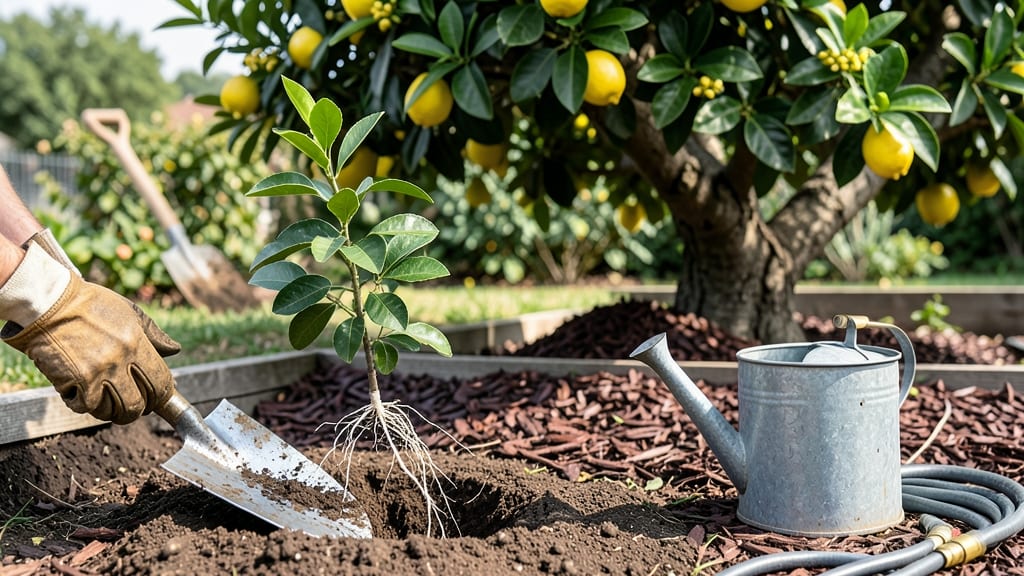
Planting a 🍊 citrus tree in Arizona isn’t just about grabbing a sapling and sticking it in the ground—it’s about outsmarting the desert’s brutal heat and sneaky frost risks.
The wrong timing can mean wasted money, stunted growth, or even a dead tree before it bears fruit, and most gardeners don’t realize how much microclimate matters in the Grand Canyon State.
If you’ve ever watched your neighbor’s lemon tree thrive while yours wilts within months, you’re not alone. The secret lies in planting during Arizona’s coolest, frost-free window—between November and March—when soil temperatures are just right and the risk of sudden cold snaps is lowest.
But here’s the catch: what works in Phoenix’s Low Desert might kill a tree in Prescott’s Mid-Desert, where frost can strike as early as January.
I’ve helped dozens of Arizona gardeners avoid these costly mistakes, and what I’m about to share will show you exactly when to plant your citrus tree for maximum survival.
We’ll break down the best months by elevation, how to spot planting mistakes before they’re permanent, and even how to protect your tree if winter surprises you with an unexpected freeze.
Ready to grow a citrus tree that lives for decades instead of months? Let’s get started with the timing that actually works in your corner of Arizona.
Best planting months for Arizona citrus trees by microclimate zone
Arizona’s diverse microclimates create a tricky balance for citrus lovers—too early, and your tree faces monsoon stress; too late, and frost damage becomes a risk. The key is planting when soil temperatures stay above 60°F and frost warnings fade.
In the Low Desert, this means late fall through early spring, while High Desert growers must wait until late spring to avoid winter kills. Let’s break down the perfect windows for each zone to ensure your lemon, orange, or grapefruit thrives.
Citrus trees are tropical at heart, but Arizona’s USDA Zones 9b-11 allow them to flourish—if planted at the right time. The Low Desert (Phoenix/Tucson) has the longest growing season, while the Mid Desert (Prescott) and High Desert (Flagstaff) face shorter windows due to colder nights.
Soil temperature is your best guide: aim for 60-70°F at planting depth (6-12 inches). Below that, roots struggle to establish, and above 85°F, transplant shock spikes. Here’s how to time it perfectly for your region.
In the Low Desert, I plant my Meyer lemons in December because the soil stays warm and frost is rare. The Valencia oranges I’ve planted in November take off quickly, thanks to the cooler winter temps that reduce transplant shock.
Avoid planting in April—the summer heat arrives fast, and young roots can’t keep up. For container-grown citrus, you can extend your window slightly by moving pots to a shaded patio during extreme heat.
The Mid Desert (like Prescott) demands patience. Wait until March or April when the last frost date has passed—typically around March 15. I’ve seen Satsuma mandarins planted in February suffer frost damage when temperatures dip below 28°F.
Choose cold-hardy varieties like grapefruit or lime, which tolerate 25–30°F better than sweet oranges. Always plant on a south-facing slope to capture warmth and avoid cold air pockets.
For High Desert gardeners in Flagstaff, the window is narrow: May–June after the last frost risk (usually May 10). I recommend dwarf varieties like Calamondin oranges because they establish faster in cooler soils. Avoid planting before May 1—even dwarf citrus can’t handle High Desert frosts.
If you’re in a microclimate pocket (like a south-facing wall), you might push planting to late April, but always monitor nighttime temps with a minimum-maximum thermometer.
One common mistake I see is planting citrus in summer to avoid frost. Big mistake! Transplant shock from 100°F+ soil kills more trees than frost ever will. Instead, focus on watering deeply (1–2 gallons per watering for young trees) and mulching with wood chips to keep roots cool.
In containers, use self-watering pots and move them to partial shade during June–August to prevent root burn.
Soil preparation is just as critical as timing. Amend your soil with compost and citrus-specific fertilizer (high in nitrogen and micronutrients) before planting. In sandy Arizona soils, mix in peat moss or coconut coir to retain moisture. For clay-heavy areas, add perlite or coarse sand
Critical signs your Arizona citrus planting timing is wrong (and how to fix it)
Arizona’s citrus trees thrive when planted during the cool winter months, but timing mistakes can spell disaster. If you planted too early—before the monsoon’s last heatwave—your tree may show heat stress symptoms.
Conversely, planting too late risks frost damage from unexpected cold snaps. Here’s how to spot the warning signs and correct course.
Watch for yellowing leaves that start at the tips and work inward. This is a classic sign of heat stress or overwatering after planting too early. Another red flag is stunted growth—if your citrus sapling isn’t growing more than 2-3 inches per month in spring, it’s struggling.
These symptoms often appear when roots can’t establish properly due to poor timing or soil temperature extremes.
If your citrus tree’s leaves develop brown edges or crispy spots, it’s likely suffering from transplant shock combined with summer heat stress. This often happens when gardeners plant in April or May, thinking the monsoon will help—but the initial heatwave can overwhelm young roots.
Another clue? Premature fruit drop—if your tree flowers but loses blossoms or tiny fruit within weeks, it’s struggling with environmental stress.
For frost-damaged trees, prune back all blackened branches to green wood and apply a 2-inch layer of mulch around the base. If you planted too late, move potted citrus to a protected location (like a garage or covered patio) before 32°F temps.
For heat-stressed trees, provide afternoon shade with a lightweight shade cloth and water deeply twice weekly to encourage root growth.
Use this quick stress checklist to diagnose your tree: ☑️ Yellowing leaves → Likely overwatering or heat stress ☑️ Stunted growth → Poor root establishment or nutrient deficiency ☑️ Brown leaf edges → Transplant shock + summer heat ☑️ Blackened stems → Frost damage from late planting ☑️ Premature fruit drop → Environmental stress (correct timing first!)
To recover, focus on root health by amending soil with compost and using a slow-release citrus fertilizer in early spring. If your tree was planted in summer or fall, consider replanting next winter—it’s worth the wait for a healthy, productive citrus tree that lasts decades. 🌱