
Plants
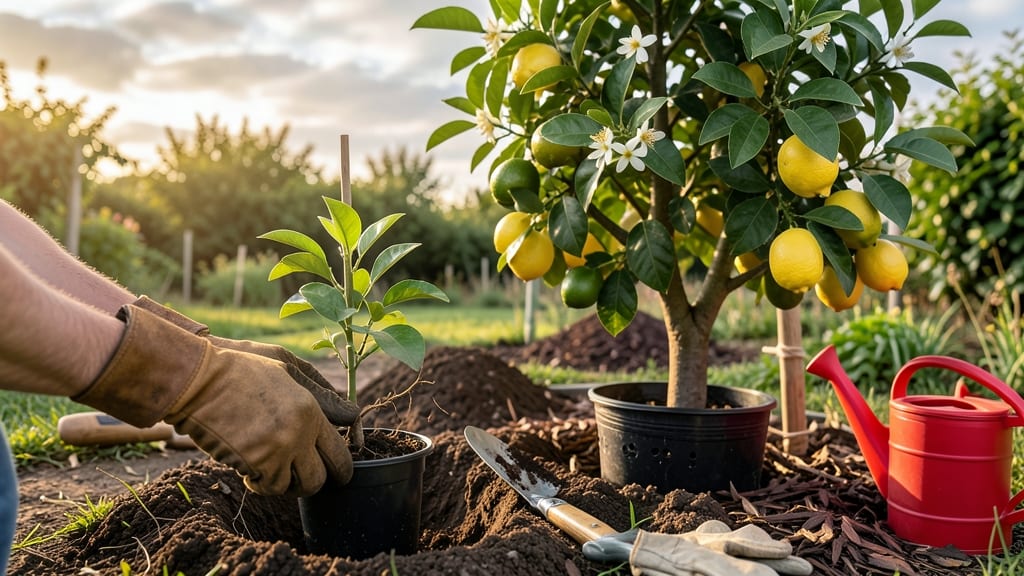
Planting your 🍋 lemon tree in the ground at the wrong time can turn your citrus dream into a frost-killed nightmare—but get the timing right, and you're on track for years of juicy harvests.
The key isn't just waiting for spring; it's understanding your USDA zone's frost-free window and soil temperature triggers that most gardeners overlook.
In warmer zones like 9a-11, you've got flexibility to plant in late fall or early spring, but gardeners in Zone 6 need to wait until after that last frost date—usually mid-April—when soil warms to 65°F.
That 30-day window between frost risk and summer heat is your sweet spot for stress-free planting.
I'll show you exactly how to read your local frost charts, adjust for container growing if needed, and spot the 5 warning signs your planting timing is off before it's too late. No more guessing—just science-backed steps to give your 🍋 lemon tree the perfect start.
Whether you're in a frost-free paradise or a cooler climate pushing the limits, this guide gives you the zone-specific timeline and care tips to keep your 🍋 lemon tree thriving through its first critical weeks. Let's get those roots in the ground the right way.
Best planting months for lemon trees by USDA Zone: a frost-free timeline
Planting your lemon tree at the right time ensures it survives the first critical year and thrives for decades. Since lemons are frost-sensitive, timing depends on your USDA hardiness zone and local frost dates.
In Zones 9-11, you have flexibility for spring or fall planting, while gardeners in Zones 7-8 must wait until late spring or use protective methods. Let’s break down the ideal planting windows by zone to avoid winter damage.
For Zones 9-11, where frost is rare or nonexistent, the best time to plant is either late winter to early spring (February–March) or late summer to early fall (August–October). Spring planting gives roots time to establish before summer heat, while fall planting allows for root growth before winter dormancy.
In Zone 9, you can even plant as late as November if your winters are mild. However, avoid planting in summer months due to heat stress and water loss.
In Zones 7-8, frost is a major risk, so planting should occur after the last frost date, typically mid-to-late spring (April–May). If you’re in a cooler microclimate within these zones, consider container growing or planting in a greenhouse to extend your growing season.
Never plant outdoors before the last frost—frost will kill young lemon trees within hours.
Here’s a quick reference for optimal planting months by zone, including critical frost-free deadlines:
| USDA Zone | Best Planting Months | Frost Risk | Soil Temp Requirement |
|---|---|---|---|
| 9-10 | February–March or August–November | Low to None | 60°F+ |
| 11 | Year-round (avoid summer) | None | 65°F+ |
| 7-8 | April–May (after last frost) | High (frost likely) | 65°F+ |
If you’re in Zone 9 or warmer, fall planting (September–October) is ideal because it allows roots to establish before winter rains. However, avoid planting in December or January—even in warm zones, cooler temperatures slow root growth.
For Zone 10-11, you can plant almost year-round, but spring or fall still gives the best results for root establishment.
Before planting, check your local last frost date using resources like the National Weather Service or Old Farmer’s Almanac. Planting too early in Zones 7-8 risks frost damage, while planting too late in Zones 9-11 may delay fruiting.
Aim for a 60-70°F soil temperature—use a soil thermometer to confirm.
Pro tip: If you’re unsure about your frost dates, err on the side of late spring planting. Lemon trees are slow to recover from frost damage, and a single cold snap can set back growth by months.
For extra protection, mulch heavily around the base to insulate roots during winter.
Once you’ve chosen your planting window, prepare the soil by amending it with compost and citrus-specific fertilizer to ensure your lemon tree gets the nutrients it needs to thrive. In the next section, we’ll cover how to adjust planting for colder climates using containers and greenhouses.
🌱
How to adjust planting time for cold-climate Zones (7-8) using containers and greenhouse tricks
If you live in USDA Zones 7-8, planting a lemon tree outdoors in traditional spring months can be risky—early frosts often catch young trees off guard. The good news?
With the right strategies, you can still grow lemons in colder climates by adjusting your planting timeline and using protective growing methods. Here’s how to extend your lemon tree’s growing season safely.
First, understand that lemon trees (Citrus × limon) thrive in Zones 9-11, but with containers and seasonal adjustments, they can survive in Zones 7-8. The key is to delay outdoor planting until late spring or early summer when nighttime temperatures stay above 50°F (10°C).
This gives your tree time to establish roots before cooler weather arrives.
Here’s a step-by-step guide to planting in colder zones without frost damage:
- Start indoors 6-8 months before outdoor planting: Sow seeds or purchase a 1-gallon container tree in early spring. Keep it near a south-facing window or under grow lights for 12-14 hours of light daily.
- Hardening off begins in May: Once indoor temps rise above 60°F (15°C), move your tree outdoors for 2-3 hours daily, gradually increasing exposure over 2-3 weeks.
- Plant outdoors no earlier than June 15: Wait until the last frost date has passed and soil temps are consistently above 65°F (18°C). Use a thermometer to monitor soil temperature.
- Use a large, insulated container: Choose a 15-20 gallon pot with drainage holes. Fill with a well-draining citrus mix (60% potting soil, 30% perlite, 10% compost). Containers warm up faster and can be moved indoors if needed.
- Install protective barriers for fall: By mid-September, cover your tree with a frost cloth or move it to an unheated garage (50-60°F range) at night. Ensure it gets 6+ hours of sunlight daily even indoors.
- Overwinter indoors for Zone 7: If you’re in Zone 7, bring your tree indoors by October 15 to prevent frost damage. Place it near a bright window or under grow lights and reduce watering to every 2-3 weeks.
- Replant outdoors in late spring (Zone 8): In Zone 8, you can leave your tree outdoors year-round if it’s in a large container and protected from wind. Replant in the ground in May after last frost.
For gardeners in Zone 7, overwintering indoors is critical. Place your tree in a cool, bright location (like a sunroom) and prune lightly to reduce stress. Resume outdoor planting in late May or early June when soil temperatures stabilize.
In Zone 8, you can attempt outdoor planting in late April, but always have a backup plan to move containers indoors if frost is forecasted.
Pro tip: Use a mulch blanket around the base of potted trees to insulate roots. Straw or pine needles work well and can raise soil temps by 5-10°F on cold nights. Combine this with a tree wrap to protect the trunk from cracking in freezing temps.
With these adjustments, your lemon tree can thrive even in cooler climates—just be patient and stay vigilant about temperature shifts. A little extra effort now means homegrown lemons for years to come! 🍋