
Plants
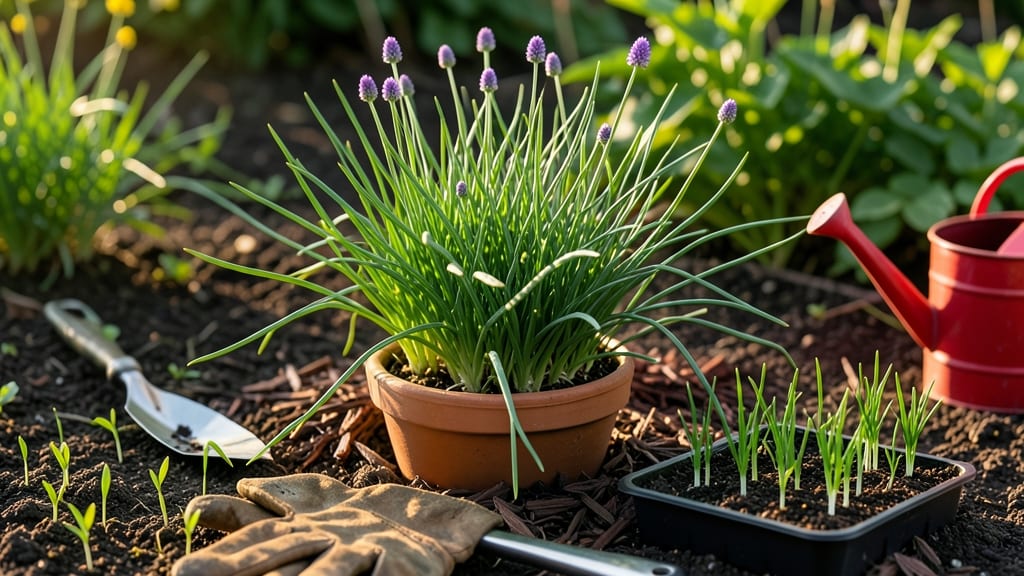
Planting chives in Texas isn’t just about dropping seeds in the ground—it’s about outsmarting the heat and unpredictable frost to grow year-round harvests without the guesswork.
Whether you're in Zone 8a or 9a, timing matters more than you think because chives 🌿 bolt faster in Texas summers and struggle with winter chill.
Most gardeners assume spring is the only window, but Texas’s diverse climate zones demand a two-season approach—fall and early spring—to keep your chives thriving. Skip the wrong timing, and you’ll end up with weak plants or wasted effort.
I’ll show you the exact schedule to avoid these pitfalls and maximize your harvest.
From well-draining soil to partial sun, chives need the right conditions to survive Texas’s extremes. Learn how to adjust for your microclimate—whether you’re battling North Texas’s erratic frosts or South Texas’s scorching summers—so you can enjoy fresh chives all year.
Ready to stop second-guessing your planting? I’ll break down the best months, soil prep, and even how to extend harvests through the heat. Let’s get those chives growing the right way.
Optimal planting windows for chives in Texas heat zones 8a/9a
Texas’s Heat Zones 8a/9a create unique challenges for chive growers—scorching summers and unpredictable winters demand precise timing. Unlike cooler climates, Texas chives thrive with two distinct planting seasons: fall and early spring. Planting outside these windows risks bolting (premature flowering) or stunted growth from heat stress.
Fall planting (September–November) is my top recommendation because cooler soil temperatures and shorter days prevent early bolting. Spring planting (February–March) gives chives a head start before summer’s intensity. Direct sowing in fall works best, while transplants in spring offer faster harvests.
Here’s the key: soil temperature must stay between 50–65°F for germination. In Texas, this means waiting until after the first hard frost (usually mid-December in Zone 9a) for spring planting, or planting in September before summer’s heat peaks.
Texas’s microclimates complicate things further. For example, East Texas (Zone 8a) may see frost as late as February 15, while West Texas (Zone 9a) could have no frost at all. Always check your local Texas A&M AgriLife Extension for precise frost dates—this is non-negotiable.
For direct sowing, scatter seeds ¼-inch deep in well-draining soil with partial sun (4–6 hours daily). In Zone 9a, I’ve had success sowing as late as early November with row covers. Transplants, however, need established roots before summer’s heat arrives, so February–March is ideal.
Pro tip: Amend clay-heavy Texas soil with compost to improve drainage—chives hate soggy roots. After planting, apply 1-inch of mulch to retain moisture and regulate soil temperature. In Zone 8a, a lightweight row cover in winter protects young plants from erratic cold snaps.
Timing isn’t just about months—it’s about soil cues. Use a soil thermometer to confirm temperatures before planting. In my Dallas garden (Zone 8a), I wait until soil hits 55°F in spring or 70°F in fall to avoid seed rot. Patience here pays off with bolting-free harvests all year.
Remember: Texas chives are perennial, but they’ll reward you best with two planting seasons. Start in fall for winter harvests, then spring for summer growth. This dual approach ensures your kitchen never runs out of fresh chives—even during the dog days of July.
Optimal planting windows for chives in Texas heat zones 8a/9a
Texas’s Heat Zones 8a/9a create unique challenges for chives, where fall and early spring are the sweet spots. Unlike cooler climates, Texas’s long growing season allows two planting windows—September-November and February-March55°F and 70°F for best root establishment.
In North Texas (Zone 8a), your last frost typically hits around February 15, while South Texas (Zone 9a) sees milder winters with frost risks after December 1.
This means South Texas gardeners can plant chives as late as early December for winter harvests, while North Texas should aim for late October to beat frost.
Direct sowing is ideal in Texas, as chives dislike root disturbance. Scatter seeds ¼-inch deep in well-draining soil, spacing them 6-8 inches apart. For transplants, choose 6-inch-tall nursery starts and harden them off for 7-10 days before planting. Avoid summer planting—Texas’s 100°F+ heat will send chives bolting within weeks.
| Planting Window | Soil Temp | Frost Risk | Best For |
|---|---|---|---|
| September 15 – October 31 | 60°F–75°F | Low (post-summer) | Fall harvests, winter survival |
| February 1 – March 15 | 55°F–65°F | Moderate (varies by zone) | Spring regrowth, summer prep |
| ⚠️ AVOID: April–August (bolting risk) | |||
Texas’s microclimates complicate timing. Hill Country gardeners in Zone 8a should plant 2 weeks earlier than Gulf Coast growers in Zone 9a to account for cooler nights. Amend clay-heavy soils (common in East Texas) with compost or sand to prevent waterlogging, which chives hate.
Mulch with straw or pine needles to retain moisture during 100°F+ summers.
Pro tip: Mark your planting dates on a garden calendar. In Texas, chives sown in late September will yield harvest-ready leaves by December, while February plantings produce fresh chives by April. This two-season approach ensures you’re never without this versatile herb for soups, salads, or garnishes.
For container growers, use 5-gallon pots with drainage holes and plant 3-4 chives per container. Place pots in partial shade during peak summer heat (12 PM–4 PM) to prevent bolting. Container chives in Texas can be moved indoors during winter freezes (below 25°F) for extra protection.