
Plants
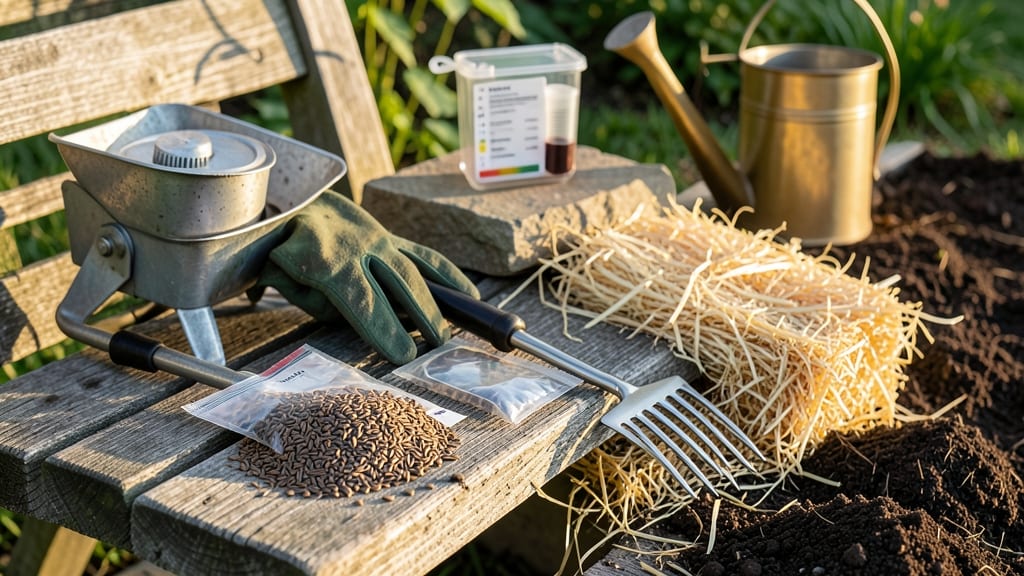
Planting grass seed in the fall gives your lawn a head start—when you do it right, you’ll end up with deep, resilient roots before winter sets in. But timing matters: plant too early, and weeds take over; too late, and frost can stall growth.
The sweet spot is late summer to early fall, but your exact window depends on where you live.
In USDA Zone 6a, like much of the Midwest and Northeast, aim for 4-6 weeks before your first frost—typically mid-September to early October. This lets grass establish before cold weather hits. Meanwhile, Southern regions can stretch planting into November, while cooler Northern zones should finish by late September.
The key? Soil temps between 60-75°F—warm enough for germination but cool enough to avoid drought stress.
Why fall? Grass seeds thrive when daytime warmth meets cooler nights, creating perfect conditions for root growth. Plus, fewer weeds compete for space, and consistent moisture from autumn rains helps seeds stay hydrated.
If you’ve ever struggled with patchy lawns, this is your chance to fix it—before winter slows things down.
Ready to get started? I’ll walk you through the exact steps—from soil prep to watering schedules—to ensure your grass takes hold like a pro. Let’s make next year’s lawn the envy of the neighborhood!
Best fall months to plant grass seed by US region (with root growth secrets)
Fall is the perfect time to plant grass seed because cooler temperatures and increased rainfall create ideal conditions for seed germination and root development. The key is planting 4-6 weeks before your first frost date—this gives grass seedlings enough time to establish a strong root system before winter dormancy.
But timing varies dramatically by region, from the Pacific Northwest to the Deep South. Let’s break down the science-backed planting windows for each zone.
Grass roots need soil temperatures between 50°F and 65°F for optimal growth. If you plant too early, weeds will outcompete your seedlings. If you wait too late, roots won’t mature before frost, leaving your lawn vulnerable to winter kill.
The right timing ensures your grass develops a 3-4 inch deep root system before cold sets in—a critical factor for spring recovery.
Here’s a region-by-region guide to planting windows, including ideal soil temperatures and frost timing to maximize root growth:
In Northern regions (Zones 3-5), like Minnesota or Maine, aim for mid-August to early September planting. Soil temperatures drop quickly after Labor Day, so don’t wait past early September—roots need at least 6-8 weeks to establish before frost hits in mid-October.
Use a soil thermometer to confirm temps are in the 50-60°F range before sowing.
For Transition Zones (6-7), including the Midwest and Mid-Atlantic, late August to mid-September is ideal. These areas experience earlier frosts than the South but milder winters than the North. Plant 4-6 weeks before your first frost (typically late October) to ensure roots reach 2-3 inches deep before dormancy.
In Southern regions (Zones 8-10), like Texas or Florida, extend your window to September through early October. Warmer soil temperatures (60-70°F) allow faster germination, but avoid planting after mid-October—roots need 4-6 weeks to mature before the first frost in mid-November.
In Zone 10, some grasses may stay active year-round, but fall planting still boosts density.
Pro tip: Check your local Almanac’s frost dates and count backward. If your area has unpredictable frosts, opt for cool-season grasses like Tall Fescue or Kentucky Bluegrass, which handle light frosts better than warm-season types. For extra protection, apply a light straw mulch after planting to insulate roots.
One common mistake? Planting too late and hoping for a "spring recovery." Grass sown in October or November often struggles to establish roots before winter, leading to patchy lawns. The 4-6 week rule is your best defense against winter kill—stick to it!
Remember, soil prep matters just as much as timing. Aerate compacted soil, loosen the top 2-3 inches, and amend with compost to improve drainage.
This ensures roots can penetrate deeply, not just spread shallowly. With the right timing and care, your fall-planted grass will outperform spring plantings by next summer.
Now that you’ve got the perfect planting window, your next step is choosing the right grass seed type for your climate—we’ll cover that in our next section! 🌱
Best fall months to plant grass seed by US region (with root growth secrets)
Timing your grass seed planting is everything—fall offers the perfect window for deep root growth before winter dormancy. The key is planting 4-6 weeks before your first frost, when soil temps stay above 50°F (10°C) but nights cool down.
This balance lets seeds germinate without stressing young roots in winter.
Your region dictates the exact window: Northern states (Zones 3-5) should aim for mid-August to early September, while Southern states (Zones 7-9) can extend until late October. Transition zones (6-6b) have the most flexibility—think September is ideal for these areas.
| Region | USDA Zones | Best Planting Window | Soil Temp Goal | Root Growth Benefit |
|---|---|---|---|---|
| Northern | 3-5 | Mid-August to early September | 50-65°F (10-18°C) | Establishes 3-4" roots before freeze |
| Transition | 6-6b | Late August to mid-October | 55-70°F (13-21°C) | Balanced growth with frost protection |
| Southern | 7-9 | September to late October | 60-75°F (16-24°C) | Avoids summer heat stress |
The science behind fall planting is all about root development. When you plant in late summer/early fall, grass seeds germinate and establish a strong root system before daytime temps drop below 60°F (15°C).
This means your lawn enters winter with 3-4 inches of roots—enough to survive frost and bounce back in spring.
Pro tip: Check your local frost dates (USDA Plant Hardiness Zone Map is your friend) and count back 6 weeks. If your area gets consistent freezing nights before that window, push planting earlier.
For example, in Zone 4, aim for late August—any later risks weak roots before winter.
Don’t wait until October unless you're in Zone 7+. Late fall planting leaves seeds vulnerable to fungal diseases and frost heave. The 4-6 week rule ensures seeds germinate, grow, and harden off before winter—giving you a thicker, greener lawn next spring.
For cool-season grasses (like Kentucky Bluegrass or Fescue), fall is prime time. Warm-season grasses (like Bermuda) should wait for spring—fall planting would stress them before winter dormancy. Know your grass type to avoid costly mistakes!