
Trees
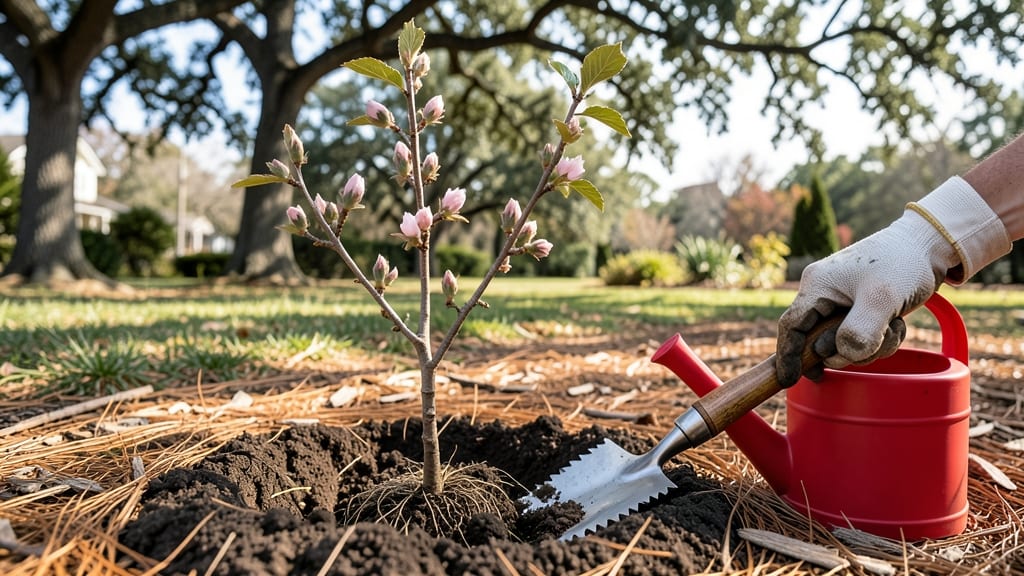
Planting a tree in North Texas at the wrong time could mean the difference between a thriving 🌳 and a struggling sapling struggling through extreme heat or frost.
The best time to plant trees in North Texas isn't just about picking a month—it's about understanding your local microclimate and avoiding the pitfalls of scorching summers or early freezes.
With USDA Zones 7b-8a, North Texas offers two ideal windows: fall (October-November) and early spring (February-March). These months give young roots time to establish before summer's brutal heat or winter's chill sets in.
But timing isn't one-size-fits-all—urban areas with concrete heat islands may need adjustments compared to rural spots with cooler nights.
Why does this matter so much? Because a tree planted in April might wilt under 100°F heat waves, while one planted in December could freeze before roots take hold.
I’ll break down exactly how to match your tree species with the perfect planting window for your specific corner of North Texas.
From soil prep to watering schedules, we’ll cover everything you need to give your new tree the best possible start—so it grows strong enough to provide shade for decades. Let’s get those roots established the right way.
North Texas planting windows by microclimate: best months for tree root success
North Texas presents a unique challenge for tree planting due to its diverse microclimates and extreme seasonal shifts. The Arid West faces scorching summers and low humidity, while the Blackland Prairies offer richer soils but still experience freezing winters.
Timing your planting to align with these conditions maximizes root establishment and survival rates.
Fall and early spring are the golden windows for planting trees across North Texas, but the exact months vary by region. Soil temperatures between 50°F and 70°F and consistent rainfall create ideal conditions for root growth.
In this guide, we’ll break down the best planting months for each North Texas microclimate, including soil prep tips and rainfall data.
Why timing matters: Planting during heatwaves (June-August) causes transplant shock, while late fall (December-January) risks frost damage before roots establish. Microclimates like the Cross Timbers and East Texas Piney Woods have slightly longer windows due to their higher humidity and milder winters.
🌱 Key data sources: Texas A&M AgriLife Extension, NOAA rainfall averages, and USDA Plant Hardiness Zones (7b-8a). These ensure our recommendations align with local climate science for North Texas.
The Arid West has the shortest planting window due to its low rainfall and intense summer heat. Planting in late October allows roots to establish before winter dormancy, while February-March avoids the 100°F+ temperatures of summer.
For this region, container-grown trees are ideal because they experience less transplant shock.
In the Blackland Prairies, October-November is prime time because the soil stays warm enough for root growth but cools before freezing temperatures. The higher rainfall in this microclimate supports faster establishment, but avoid planting in summer—even native trees struggle with heat stress above 95°F.
For the Cross Timbers, September-October is a unique window because the region’s transition climate allows for slightly earlier planting. However, be prepared for unpredictable late frosts in March, which can damage tender new growth. Hardy species like Post Oak thrive here with minimal care.
The East Texas Piney Woods offers the most flexibility due to its milder winters and higher humidity. Planting in December-January is often successful because the ground stays workable and rainfall is consistent.
This microclimate is perfect for moisture-loving trees like Bald Cypress, which can even tolerate occasional flooding.
Pro tip: Always check the 7-day soil temperature forecast before planting. Use a soil thermometer to confirm conditions match the ideal 50-70°F range. In urban areas, heat islands can raise soil temps by 10-15°F, making early
Critical factors that determine tree planting timing in North Texas
Choosing the right time to plant trees in North Texas isn’t just about picking a season—it’s about understanding how soil moisture, temperature extremes, and tree species resilience interact.
The region’s USDA Zones 7b-8a create unique challenges, from 100°F summers to freezing winter nights. These factors directly impact root establishment and long-term survival.
For example, fall planting (October-November) gives trees time to develop roots before winter dormancy, while early spring (February-March) planting avoids summer heat stress. But without proper soil preparation, even the best timing can fail. Let’s break down the critical factors that determine success.
Key Timing Factors for North Texas Tree Planting
- 🌱 Soil Moisture: Plant when soil is moist but not waterlogged—ideal in fall (October-November) after summer rains or spring (February-March) before evaporation peaks. Use a soil moisture meter to check depth.
- ☀️ Avoid Extreme Heat: Never plant during June-August when temps exceed 90°F. Container-grown trees suffer transplant shock in heat, while bare-root trees dry out faster.
- ❄️ Frost Timing: Plant 4-6 weeks before first frost (mid-November) to allow root growth. In spring, wait until after last frost (mid-March) to avoid cold damage to new shoots.
- 💧 Drought Resilience: Prioritize native species like Texas Red Oak or Eastern Redbud for fall planting. Non-natives (e.g., Bradford Pear) need extra watering in summer months.
- 🌿 Soil Preparation: Amend clay-heavy soils with compost or sand before planting. For fall prep, till in organic matter 2-3 weeks before planting; for spring, add slow-release fertilizer at planting time.
One common mistake is assuming container-grown trees can be planted anytime. While they adapt better than bare-root trees, they still struggle in peak summer heat or freezing winters.
For example, a live oak planted in July may survive, but its root system will be 50% smaller than one planted in November.
Preparing your soil is just as critical as timing. For fall planting, focus on improving drainage—North Texas’ clay soils can suffocate roots if compacted. Mix in 2-3 inches of compost and gypsum to break up heavy clay.
In spring, add a balanced fertilizer (10-10-10) to jumpstart growth, but avoid high-nitrogen blends that encourage top-heavy growth before roots establish.
Don’t overlook mulching—apply 3-4 inches of mulch (wood chips or pine straw) around the base of the tree to retain moisture and regulate soil temperature.
However, keep mulch 6 inches away from the trunk to prevent rot. This step is non-negotiable in North Texas’ dry summers and hot winds.
Ultimately, the best time to plant trees in North Texas balances soil conditions, weather patterns, and tree species needs. By aligning these factors—like planting drought-tolerant species in fall or water-loving trees in spring—you’ll give your trees the best chance to thrive for decades. 🌳