
Plants
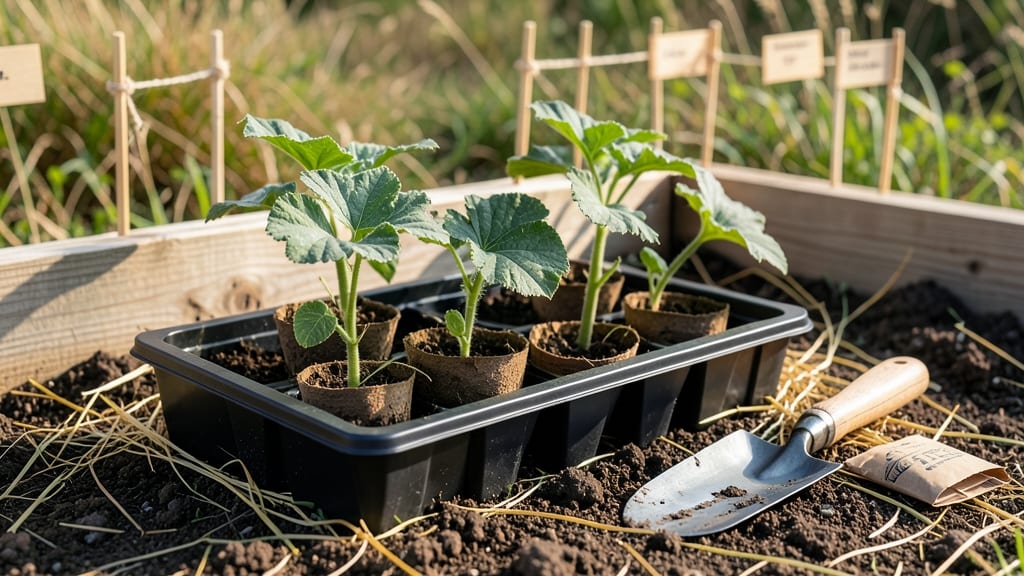
Planting cantaloupe in Missouri isn’t just about waiting for spring—it’s about timing the soil temperature and frost window perfectly to avoid wilted vines and bitter fruit.
With the right approach, you can enjoy sweet, juicy 🍈 melons from July to August, but get it wrong, and your hard work could go to waste.
Missouri’s 5b-6b climate means you’ll need to wait until after the last frost date (around April 15) and when soil temperatures hit at least 70°F—critical for germination and growth.
The ideal planting window is between April 15 and May 15, but rushing too early can leave your plants vulnerable to late frosts.
Why does this matter? Cantaloupes thrive in warm conditions, and Missouri’s humidity and heat can either boost or sabotage your harvest. Proper soil prep—like warming cold soil with black plastic mulch—makes the difference between a thriving vine and a failed crop.
In this guide, I’ll walk you through the exact steps to time your planting, from checking soil temps to choosing the right varieties for Missouri’s climate. Let’s set you up for a bountiful harvest.
Missouri’s ideal cantaloupe planting timeline by soil temperature zones
Cantaloupes thrive in warm soil and hot days, but Missouri’s variable spring can turn your garden into a high-stakes game of chance. The key to success? Planting when soil temperatures hit 55°F+ for germination and 70°F+ for optimal growth.
Rural areas warm faster than cities, but frost pockets in valleys can delay planting by weeks. Let’s break down the perfect planting windows for your Missouri microclimate.
Missouri spans USDA Zones 5b-6b, but microclimates create dramatic differences. St. Louis averages a last frost date of April 15, while Kansas City often waits until April 25.
Rural areas like Sedalia or Columbia can be 1-2 weeks earlier. However, soil temperature—not air temperature—dictates when cantaloupes will germinate. A soil thermometer is your best friend here.
Here’s how Missouri’s three key regions compare for cantaloupe planting:
If you’re in St. Louis or rural areas, you can start seeds indoors 4-6 weeks before your target planting date to give them a head start.
Use biodegradable pots to avoid transplant shock. For Kansas City or northern Missouri, wait until after May 10—planting earlier risks frost damage or stunted growth.
Pro tip: Use black plastic mulch to warm soil faster. Lay it down 2-3 weeks before planting to raise soil temperatures by 5-10°F. This trick lets you plant 1-2 weeks earlier in cooler zones. Just remove it once vines spread to prevent overheating.
Cantaloupes need 75-90 days to mature, so time your planting to avoid fall frosts. In southern Missouri, you can squeeze in a late July planting for a fall harvest, but northern areas should stick to spring-only plantings.
Always check a local frost calendar—your county extension office has the most accurate data.
Missouri’s humidity and heat can stress cantaloupes, so choose drought-tolerant varieties like ‘Athena’ or ‘Hale’s Best’ if you’re in western or central regions. These varieties handle high temperatures better than traditional types. Pair them with drip irrigation to keep roots cool and consistent.
Never plant cantaloupes in cold, wet soil. If your soil is below 55°F in spring, wait—germination fails below this threshold. Use a soil thermometer (available at garden centers for $10-$15) to monitor temperatures daily. Plant when the morning soil temp hits 70°F+ for 3+ days.
Once planted, cantaloupes need full sun (8+ hours/day) and well-draining soil. Amend heavy clay soils with compost or sand to improve drainage. If your garden has poor soil, consider growing cantaloupes in raised beds—they warm up faster and drain better than in-ground spots.
🌱
Missouri’s ideal cantaloupe planting timeline by soil temperature zones
Missouri’s USDA Zones 5b-6b create unique challenges for cantaloupe growers. Unlike frost-hardy crops, cantaloupes demand warm soil (70°F+) and frost-free nights to thrive. Plant too early, and your seedlings will wilt from cold stress; too late, and summer’s heat arrives before harvest.
The key is aligning your schedule with Missouri’s microclimates—St. Louis, Kansas City, and rural areas all have slightly different frost-free windows.
For most of Missouri, the optimal planting window stretches from mid-April to mid-May, but this shifts based on your location. Southern Missouri (e.g., Springfield) can plant as early as late March, while northern areas (e.g., Columbia) may need to wait until late May.
Always confirm your last frost date—Missouri’s averages range from April 15 (south) to May 1 (north)—but err on the side of caution.
Here’s the critical rule: Never plant cantaloupe until soil temperatures consistently reach 70°F. Use a soil thermometer to check—cantaloupe seeds won’t germinate below 55°F, and cool soil stunts growth. In Missouri’s humid climate, warm soil also prevents damping-off disease, a fungal killer of young seedlings.
If your soil is still chilly by mid-May, consider black plastic mulch to accelerate warming.
| Region | Last Frost Date (Avg.) | Ideal Planting Window | Soil Temp Threshold | Harvest Window |
|---|---|---|---|---|
| Southern MO (Springfield) | March 25–April 5 | Late March–Early April | 70°F+ (soil) | July 1–August 15 |
| Central MO (Columbia) | April 10–20 | Mid-April–Early May | 70°F+ (soil) | July 15–August 10 |
| Northern MO (Kansas City) | April 15–May 1 | Late April–Mid-May | 70°F+ (soil) | July 20–August 5 |
| St. Louis Metro | April 5–15 | Early April–Early May | 70°F+ (soil) | July 10–August 10 |
Missouri’s humidity and summer heat also influence timing. Plant cantaloupes too early, and you’ll battle powdery mildew from prolonged moisture. Too late, and vines struggle to mature before September’s heat waves arrive.
Aim for a 75-day harvest window—if you plant in early May, you’ll likely harvest in late July, avoiding the hottest August temperatures that can reduce fruit sweetness.
Pro tip: Use frost-resistant varieties like ‘Athena’ or ‘Hale’s Best’ if you’re in northern Missouri. These tolerate brief cool snaps better than heirlooms. Pair them with row covers for extra protection if late frosts linger.
For southern Missouri, opt for heat-tolerant types like ‘Crimson Sweet’ to handle July’s 90°F+ days without wilting.
Remember, cantaloupes are warm-season powerhouses—they need consistent heat to set fruit. If your summer cools unexpectedly (like in 2021’s La Niña yeardrip irrigation and mulch to maintain soil warmth. With the right timing, you’ll go from seed to sweet melon in just 75 days—worth the wait! 🌱