
Plants
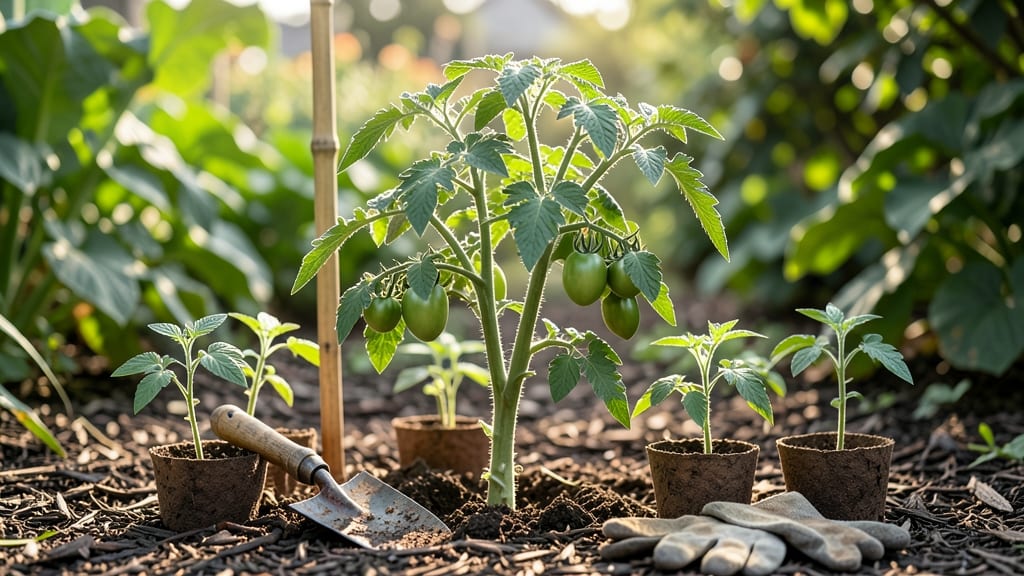
Planting tomatoes in Virginia isn’t just about grabbing a seedling and sticking it in the ground—timing your 🍅 harvest hinges on knowing exactly when to start, especially since USDA zones 6a-8a bring wildly different frost risks.
Get it wrong, and you’ll either lose tender seedlings to late frosts or watch your plants struggle under Virginia’s brutal summer heat.
Most gardeners in 7a-7b (where most of the state falls) should wait until after April 15, but that’s just the starting point. The real secret? Checking soil temperatures—60°F or warmer is non-negotiable—and knowing your local microclimate.
A Richmond garden might be safe by early April, while Roanoke’s higher elevation demands patience until May.
I’ve learned the hard way that rushing leads to stunted plants, while waiting too long cuts your harvest short. This guide will walk you through Virginia’s exact frost-free deadlines, how to extend your season with smart techniques, and the 3 biggest mistakes even experienced gardeners make.
Let’s make sure your tomatoes thrive—not just survive.
Whether you’re a first-timer or a veteran gardener, nailing the planting window means the difference between a bountiful summer of slicing tomatoes and a disappointing handful of underwhelming fruit. Ready to get it right?
Virginia’s USDA zones & exact frost-free deadlines for planting tomatoes
Virginia’s diverse climate—from coastal plains to mountain valleys—means last-frost dates vary dramatically across USDA zones 5b to 8a. In Richmond (zone 7b), the average last frost is March 25, while Roanoke (zone 7a) typically sees frost until April 15.
Mountain regions like Blacksburg (zone 6a) can experience late frosts as late as May 1, delaying planting by weeks. These differences explain why gardeners in Norfolk might plant in early April, while those in Abingdon wait until mid-May.
To avoid frost damage, always check local frost-free averages from sources like the Virginia State Climate Office or Almanac.com. For 2024, historical data shows coastal Virginia has a 90% chance of frost-free soil by April 15, while mountain regions may need to wait until May 10.
Planting too soon risks blackened leaves or stunted growth—even if seedlings survive, they’ll struggle to recover.
| Region | USDA Zone | Avg Last Frost | Safe Planting Window | Soil Temp Requirement |
|---|---|---|---|---|
| Coastal (Norfolk, Virginia Beach) | 8a | March 20–25 | April 1–15 | 60°F+ |
| Piedmont (Richmond, Charlottesville) | 7a–7b | March 25–April 5 | April 15–May 1 | 60°F+ |
| Valley (Roanoke, Lynchburg) | 7a | April 1–15 | April 30–May 10 | 60°F+ |
| Mountains (Blacksburg, Bristol) | 6a | April 15–May 1 | May 10–20 | 65°F+ (warmer soil needed) |
Beyond average frost dates, Virginia’s microclimates play a huge role. A south-facing slope in Charlottesville might warm up 2–3 weeks earlier than a north-facing valley in Staunton. Urban areas like Arlington can also experience "heat islands", where pavement and buildings trap warmth, allowing earlier planting.
To test your microclimate, place a soil thermometer in your garden—tomatoes thrive when soil hits 60°F for 5 consecutive days.
For zone 5b gardeners (like those in Smyth County), consider early varieties like 'Early Girl' or 'Stupice', which mature in 55–65 days. These can be planted as soon as soil warms, even if frost lingers.
In contrast, zone 8a areas (like Accomack County) can plant heat-tolerant varieties like 'Solar Fire' or 'Celebrity' as early as March 1 under row covers for extra protection.
Pro tip: Use Virginia Cooperative Extension’s frost maps (available online) to pinpoint your exact frost-free date. These maps account for 30-year averages and local topography, giving you a data-backed deadline.
For example, Danville (zone 7b) has a 10% frost risk after April 15, while Emporia (zone 6a) faces 20% risk until May 1. Adjust your planting window accordingly to maximize success.
If you’re unsure about your local frost date, err on the side of caution. A two-week delay is better than losing a $50 seedling to a 32°F night. For container gardeners, you can push planting dates slightly earlier since pots
How to extend your tomato growing season in Virginia (start indoors, cold frames, and succession planting)
Virginia’s short growing season doesn’t have to limit your tomato harvest. By starting seeds indoors, using cold frames, and practicing succession planting, you can enjoy ripe tomatoes from early summer through fall. The key is timing—beginning early and protecting tender seedlings from late frosts in USDA zones 5b-6a.
For gardeners in Virginia’s cooler regions, the secret to a long tomato season lies in a three-step approach: starting seeds indoors 6-8 weeks before the last frost, hardening off seedlings with cold frames, and planting new batches every 2-3 weeks.
This method ensures a continuous supply of fresh tomatoes while minimizing frost damage risks.
Step-by-Step Guide to Extending Your Tomato Season
- 🌱 Start seeds indoors 6-8 weeks before your last frost date (typically mid-March for Virginia). Use seed-starting trays with sterile potting mix and maintain 70-75°F soil temps.
- 🌡️ Hardening off seedlings 1-2 weeks before transplanting. Begin with 2-3 hours of outdoor exposure, gradually increasing to full sun. Use cold frames or row covers for extra protection.
- 📅 Transplant outdoors when soil temps reach 60°F+ and nighttime temps stay above 50°F. In Virginia, this is usually mid-April to early May for coastal areas and late April to early June for mountain regions.
- 🌿 Succession plant every 2-3 weeks after your first transplant. Choose early-maturing varieties (50-60 days) for the longest harvest window.
- 🛡️ Protect late seedlings with floating row covers or hoop houses if frost threatens after transplanting. Remove covers during pollination for best fruit set.
Cold frames are a game-changer for Virginia gardeners. These low, glass-covered structures trap heat during the day and insulate seedlings at night. Place them in a south-facing location to maximize sunlight exposure. For extra warmth, add a layer of straw mulch around the base to regulate soil temperature.
Don’t overlook the power of succession planting. By staggering your plantings every 2-3 weeks, you create a rolling harvest that keeps your kitchen stocked with tomatoes from June through October.
For example, plant your first batch in early May, followed by additional batches in late May, early June, and even early July for late varieties.
Monitor soil temperature closely—tomatoes won’t thrive if the ground stays below 60°F. Use a soil thermometer to check daily, especially in Virginia’s cooler mountain regions. If temps drop unexpectedly, move potted seedlings to a protected area or use black plastic mulch to warm the soil faster.
With these techniques, you’ll transform Virginia’s growing season from a short summer challenge into a long, productive harvest. The key is patience and preparation—start early, protect your plants, and keep adding new batches to enjoy tomatoes all season long. 🍅